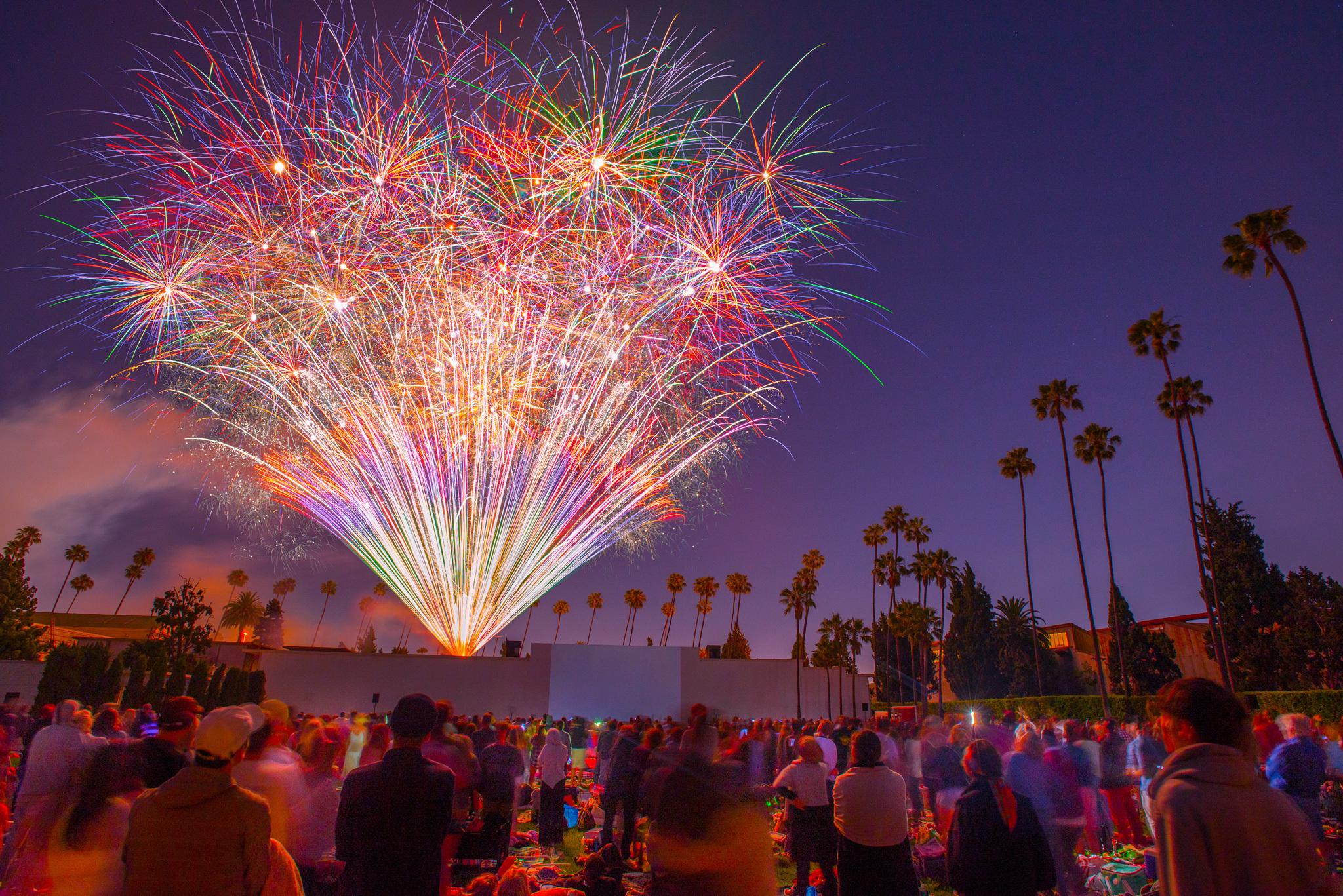
Inside LAÔÇÖs Annual July 4th Pyrotechnic Rebellion
Millions ignore the fines and high fire risk as they create a beautiful, chaotic masterpiece of defiance in the sky.

LOS ANGELES — Millions of defiant Los Angeles residents ignited illegal fireworks on July 4th, completely outshining a strict city-wide ban. For a veteran Los Angeles Fire Department (LAFD) captain working a 24-hour shift on the Fourth of July, the holiday loses any celebratory romance. The station dashboard is a chaotic grid of red dispatch lights that flash. Radio traffic at dusk is a wall of sound, relentless: brush fires started by stray bottle rockets in the Hollywood Hills; structural fires from Roman candle roof landings in South LA; and gruesome traumatic hand injuries in backyard alleyways.
Every engine company becomes a triage unit, forced into snap decisions about which rising plume of smoke is the most immediate threat to human life. Through the dusty windshield of an LAFD truck, the stunning aerial displays that go viral on social media look less like art and more like a tactical nightmare. Driving down narrow residential streets lined with cars parked bumper-to-bumper, first responders have to navigate low-hanging smoke that drops visibility to near zero.
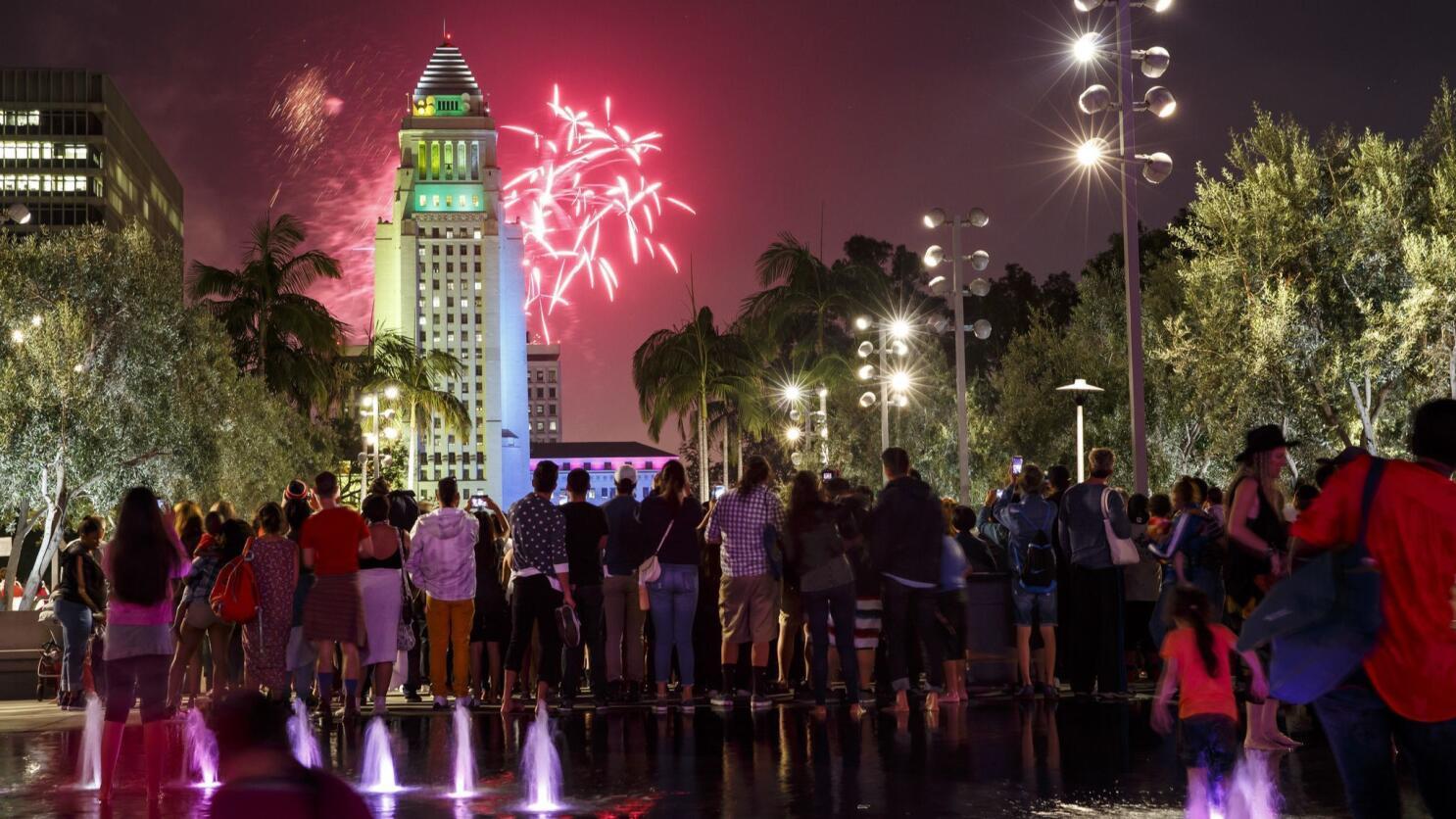

People in a celebratory mood in Los Angeles on July 4, 2026 at 9:37 PM. Photo: AP/Reuters
The emotional burden is heavy. Firefighters witness firsthand the immediate, devastating consequences of the public’s defiance, homeowners weeping on sidewalks as their roofs burn and frantic families loading terrified pets into cars. For the LAFD, the yearly struggle isn’t an abstract policy issueÔÇöit is measured in the sheer physical exhaustion of dragging hoses through acrid air, knowing that the next emergency call is already waiting before the current fire is even put out.
Once the night passes its peak, the display of colorful lights transforms into a dangerous and apocalyptic shroud of harmful pollutants that cause Southern California to suffer some of the most dangerous levels of air pollution on Earth. While property worth millions is at stake because of errant bottle rockets, the continuous attack also takes an intense mental toll, turning peaceful residential communities into war zones for wild animals and homeless pets.
“This year, as in previous years, we saw widespread use of illegal fireworks throughout many neighborhoods. Our crews responded to numerous emergency calls, including fires, medical incidents, and other fireworks-related emergencies. Every illegal firework increases the risk to lives, homes, and fire responders," said Mark, a fire marshal in Los Angeles.”
This dispute about the sky on July 4th is a longstanding battle between public safety and tradition, which became especially evident when the city canceled its organized fireworks during the 2020 pandemic. When the official display was not allowed, the citizens took matters into their own hands and set a precedent for large-scale citizen disobedience that occurs every year. As droughts and wildfires become the new normal in the region, bans and punishments become more common and run into the cultural stone wall every single time.
In view of the stress placed on emergency services such as the LAFD through the preventable occurrence of fires and medical emergencies, the citizens are not only put at risk but also are subjected to pollution from the aftermath of the holiday season. These frequent incidents call into question matters of financial accountability and administrative inefficiencies: What justification is there for the costs incurred in implementing the strict ban?
Attention immediately turns to the chambers of civic government, where frustrated city council members and environmental regulators begin preparing to evaluate the grim air quality statistics and emergency response expenses following the holiday period. Given that there is a new ballot measure on the table to substantially raise fines and implement drone surveillance in the coming holiday period, policymakers will soon have to make a legislative decision as to how the funding for increased enforcement will be raised. City officials are expected to review emergency response data and enforcement measures ahead of next year’s Independence Day celebrations.