Sony’s Digital shift renews debate over the future of physical media
As digital gaming expands, consumers, retailers, and preservation experts debate the evolving role of physical media.

MINATO CITY, JAPAN — Sony’s decision to cease manufacturing physical disc-based PlayStation games starting in 2028 has shocked the game-selling market.
Sony announced on July 1st on the PlayStation Blog that they will stop manufacturing “discs” starting January 1st, 2028. The stated reason was that “most consumers are purchasing games digitally.”
PlayStation titles will be distributed digitally. Industry journalist Christopher Dring said that the decision is part of a pattern of moving away from physical media, as downloads and things such as PlayStation Plus and Direct-to-Stream gaming become more popular.
Sony’s decision to no longer manufacture physical media is not surprising for many game industry insiders who have been anticipating it for some time now.
Dring himself has written about this several times and has stated that many companies have witnessed an increase in digital sales year over year across all platforms, with most game buyers purchasing digital copies, though a minority still buy physical media or digital copies from physical stores.
Sony’s decision also comes at a time when many companies are leaning towards direct-to-consumer sales, either digitally or through physical stores that buy directly from the game’s developer. It is much easier for corporations to sell directly to the consumer, as it removes any middlemen and lowers costs for companies that have to make and distribute plastic copies of their games, while also giving gamers a more convenient experience with direct updates to games they purchase digitally.


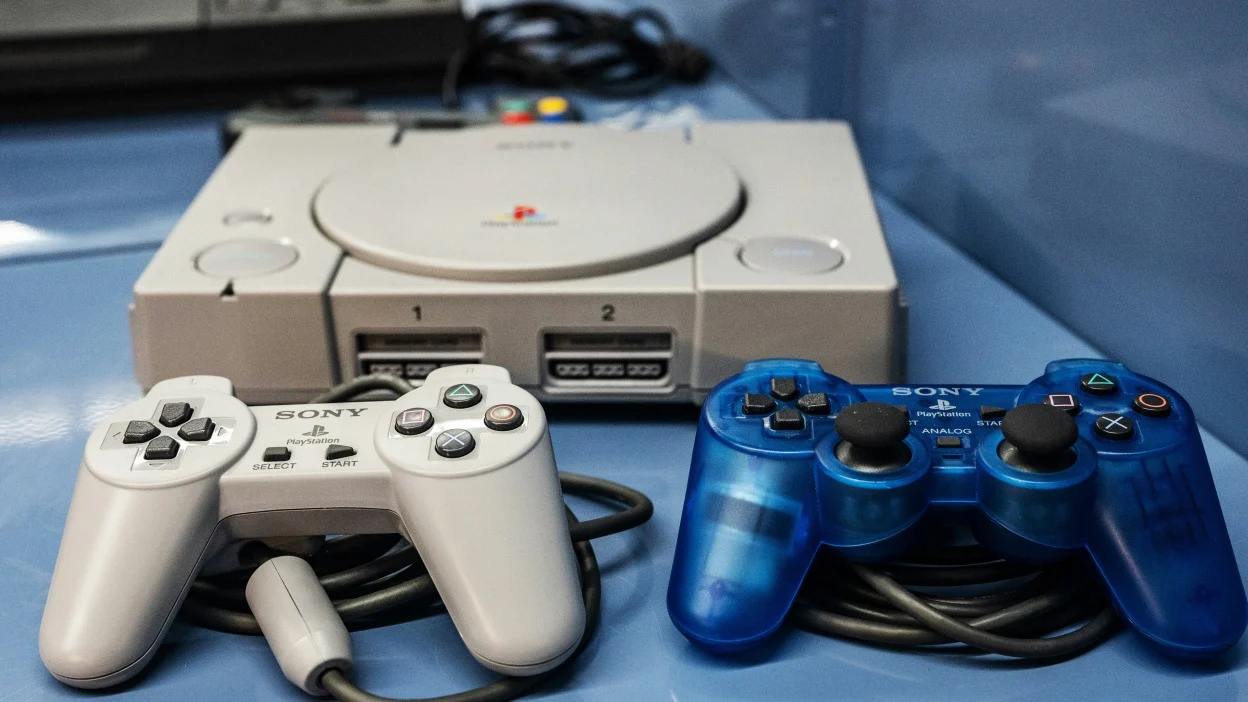
Gamers expressed frustration over Sony’s decision of not producing physical hard disc in 2028. Photo: NurPhoto via Getty Images file. © Zenger.News
This also seems to be a decision that benefits Sony over other companies in the game industry, as stated by their blog announcing the decision, which said that it was made “based on how most of our community prefers to access and play games today.”
Many are against Sony’s decision, which is mainly due to a lack of benefit towards the consumer, citing that purchasing a game on a physical medium is much more permanent than a digital purchase.
With a digital purchase, the consumer’s ability to play the game they bought is dependent on the game publisher staying in business and the storefront Sony maintaining their servers, as opposed to a physical copy, where the consumer can play the game indefinitely.
In recent years, there has been controversy in the game industry surrounding companies removing titles from storefronts, with many consumers questioning how much control companies have over their product and whether they truly buy the games they purchase digitally, as they cannot resell or give away a digital copy the same way they can a physical one.
Many libraries and preservation societies have also criticized this practice, as having games digitally makes it much harder to preserve them if the company that owns the rights to them goes out of business. It can also be said that on a commercial scale, this decision hurts the consumer buying games as much as companies benefit from it, as physical medium games bought from a store have lower prices and allow for competition between stores to be lower.
If every game were exclusive to Sony’s storefront or bought digitally, there would be no reason to have physical stores selling games, as the price would be much higher, and there would be no competition with other companies. Many people who buy used games from stores or buy cheaper games from other companies that buy games from companies making games would no longer be able to do so if the game is only digitally distributed, as they would not have an option other than Sony’s more expensive version of the game. Due to this decision and the negative reactions to it, a petition called “Don’t Kill the Disc” has already amassed over 170,000 signatures as people express their disappointment with Sony’s decision.
Sony’s controversial decision brings up an entirely different set of issues relevant to the entire entertainment industry. There has been a gradual shift across the industry to digitally distributing content while physical medium versions of the product are still available, though many argue they are becoming obsolete. In the music and book industries, digital sales make up most sales across all platforms, though vinyl records still make up a small minority of sales. In the movie industry, many theaters have closed due to streaming services, and many movie theaters have switched to showing films digitally instead of on film.
The games industry has also seen a shift towards digitally distributing games, with many consumers buying them from third-party storefronts or subscription services, while many buy physical copies of the games. Physical medium sales in the game industry make up a small minority of sales, though there are still many consumers who prefer buying physical copies of games, and some companies still produce them.
Sony’s decision represents one of the most influential companies in the games industry’s stance on the issue, and whether other companies follow Sony’s lead will ultimately decide if physical medium game sales eventually become completely non-existent.