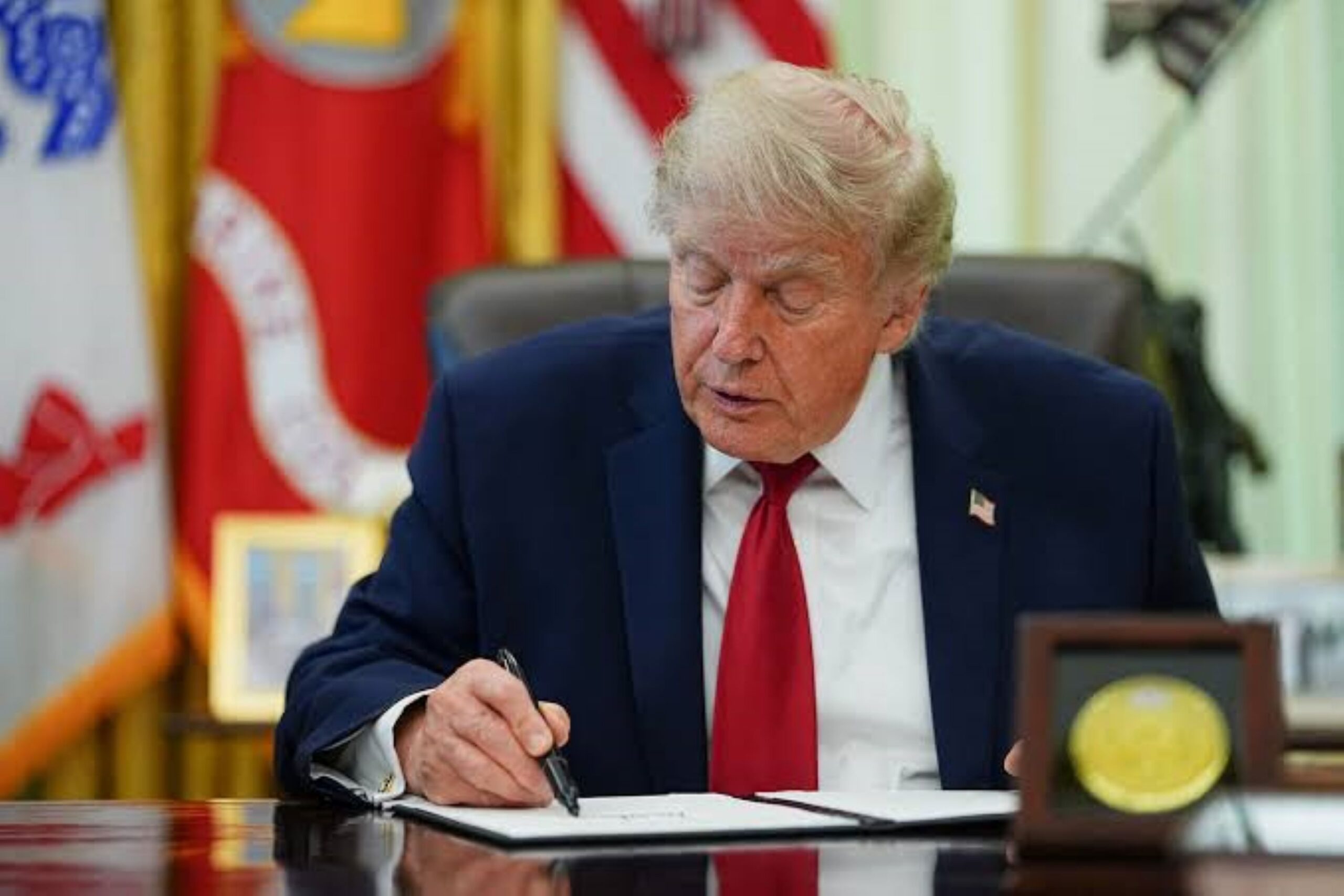
Trump’s legal battles reshape political landscape
Ongoing investigations and courtroom fights place the former president at the center of a widening clash between law, politics, and public opinion.

WASHINGTON — The legal battles involving U.S. President Donald Trump continued to unfold across multiple courts, placing the judiciary at the center of the country’s political landscape. What were once separate spheres of law and governance have increasingly overlapped, with rulings, hearings and appeals shaping both policy and public debate.
At the center of several federal investigations was former Special Counsel for the U.S. Department of Justice Jack Smith, whose role carried significant weight in determining how key cases progressed. His office examined a range of issues tied to Trump’s actions, with prosecutors focusing on evidence, legal thresholds and constitutional boundaries.
Trump and his legal team had consistently challenged the legitimacy of the proceedings. They argued in court filings and public statements that the investigations were politically motivated, portraying them as part of a broader effort to weaken his influence. This position resonated strongly with his supporters, many of whom viewed the legal scrutiny as evidence of institutional bias.
In contrast, prosecutors and critics maintained that the cases reflected the normal functioning of the justice system. They argued that no individual, regardless of status, should be beyond legal accountability. This difference in interpretation underscored a wider national divide, with legal arguments often mirrored in political rhetoric.


People gather on balconies in Washington, D.C on July 4, 2026 at 6:33 PM. Photo: Win McNamee/Getty Images. © Getty Images.
Inside the courtrooms, judges approached the disputes through a narrower legal framework. Decisions were shaped by constitutional principles, rules of evidence and procedural standards, rather than political considerations. In several instances, courts demonstrated a willingness to examine executive authority closely, particularly where civil liberties or established legal norms were concerned.
“It's not easy, but we have a great team. I stay focused on the country, on the economy, security, and everything else that matters. At the same time, we are fighting these cases very strongly. I've always said we will win and we are going to keep moving forward," President Trump said in an interview.”
Alongside the federal investigations, civil cases added another layer of pressure. These proceedings, while separate from criminal inquiries, carried significant financial and reputational implications. Efforts by Trump’s legal team to delay or appeal rulings reflected a broader strategy of contesting outcomes while extending timelines.