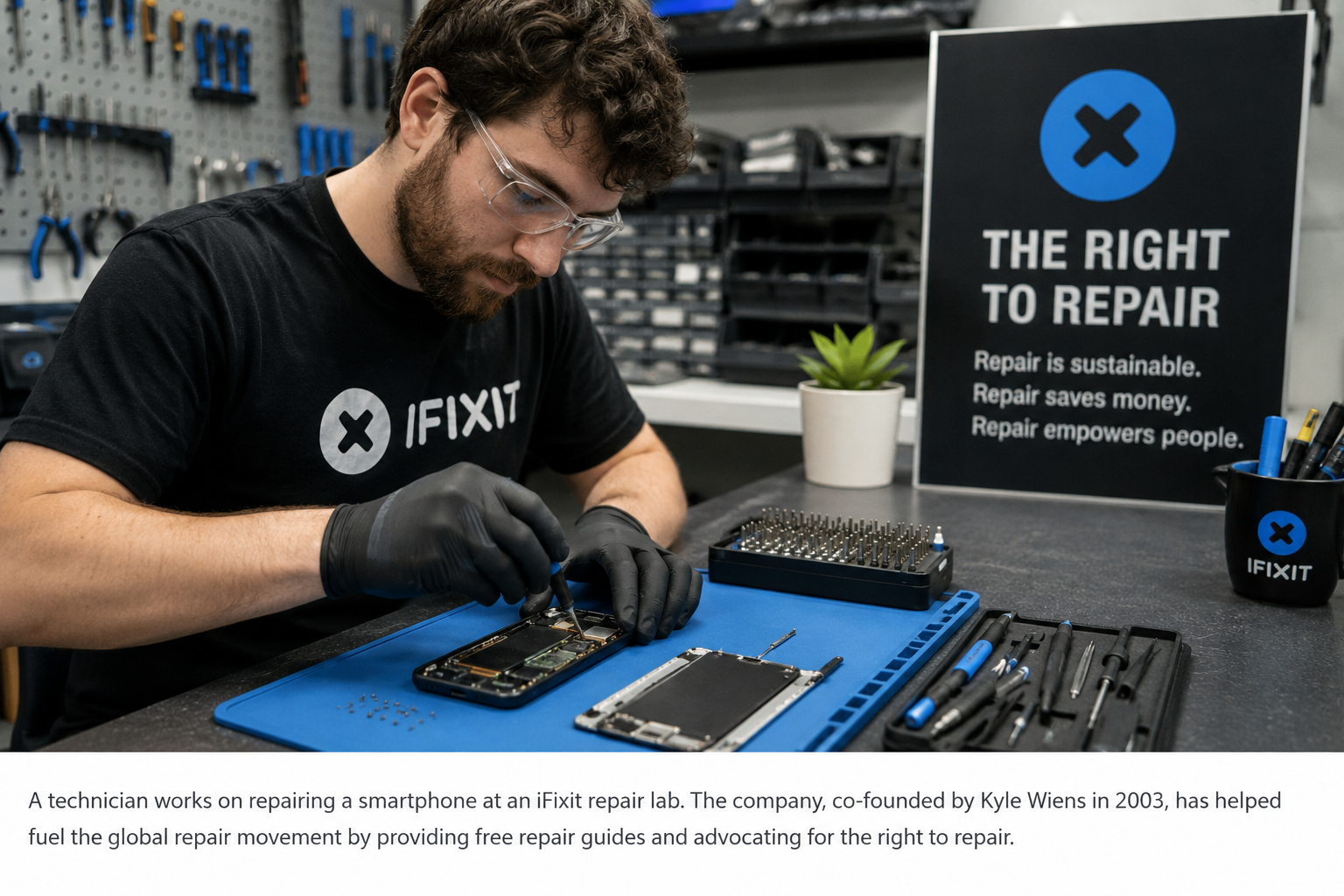
The repair economy is booming as consumers choose to fix instead of replace.
From smartphones and laptops to household appliances, rising costs and sustainability concerns are driving more people to repair products rather than buy new ones.

NEW YORK — A cracked smartphone screen, a laptop with a worn-out battery, or a washing machine that suddenly stops working no longer automatically sends many consumers shopping for a replacement. Instead, they are paying to replace individual parts, visiting independent repair shops, or using manufacturer-approved repair services to keep products running for years longer than they once did.
“Repair is often the most affordable and sustainable option for consumers. People want products that last, and they want the ability to fix the things they own,” said Kyle Wiens.
The shift comes as the price of new electronics and household appliances continues to rise, governments introduce right-to-repair legislation, and growing concern over electronic waste encourages people to extend the life of the products they already own.
Kyle Wiens has spent more than two decades championing the idea that broken products should be repaired rather than replaced. Since co-founding iFixit in 2003, he has helped make repair more accessible through free repair guides and advocacy for easier access to replacement parts and repair information. As consumers increasingly choose to extend the life of smartphones, laptops, appliances, and other electronics instead of buying new ones, Wiens has seen the repair movement evolve from a niche cause into a growing global trend driven by rising costs, environmental concerns, and expanding right-to-repair laws.
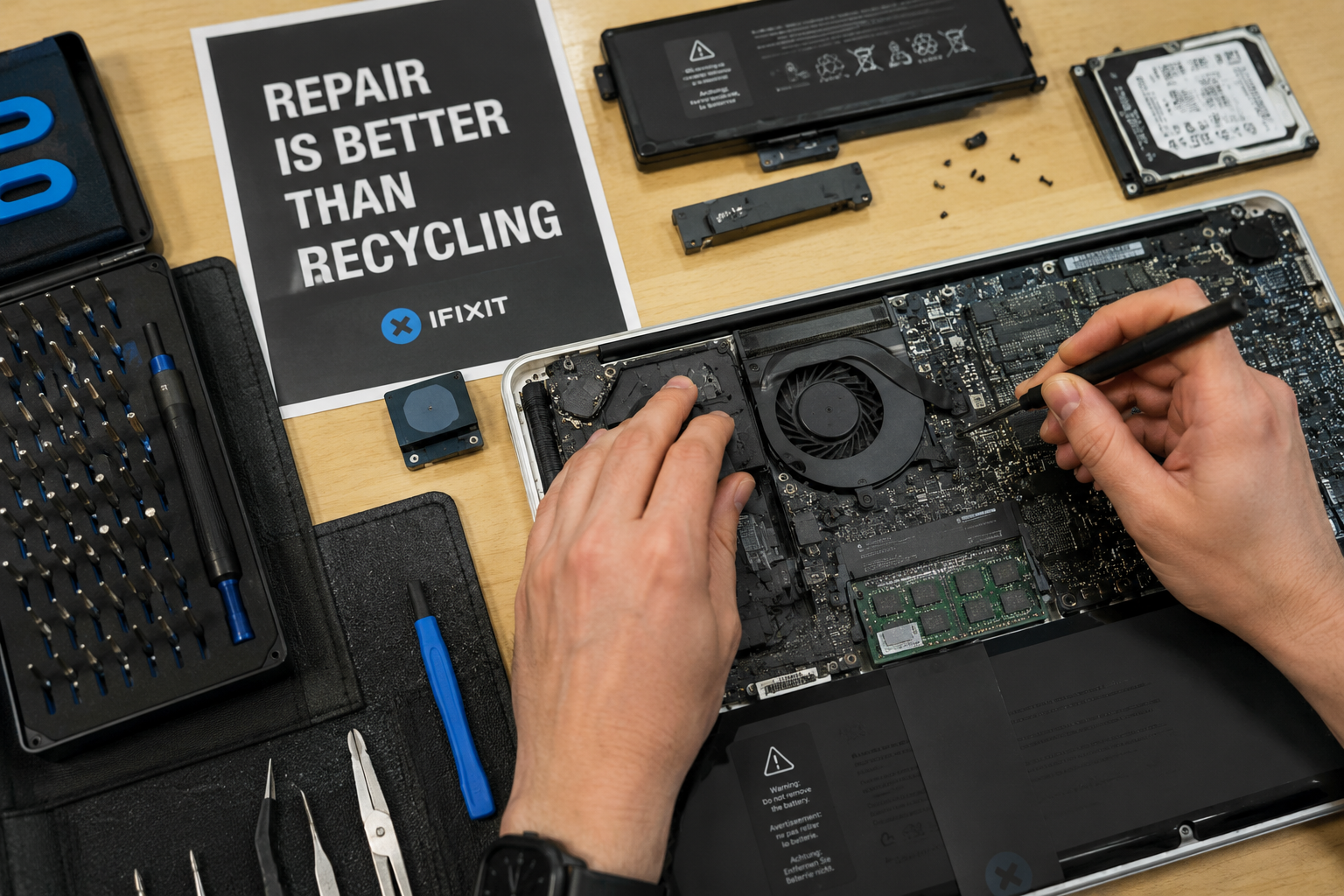

Brina Joy in Europe on July 6, 2026 at 2:29 PM. Photo: Joe/Laki. © Lakistudiolens2025
The data show the repair economy is expanding alongside growing concerns over electronic waste. The Global E-waste Monitor 2024 found that the world generated a record 62 million metric tons of electronic waste in 2022, but only 22.3% was formally collected and recycled. The report projects that global e-waste will rise to 82 million metric tons by 2030 if current consumption patterns continue, highlighting the importance of extending product lifespans through repair and reuse.
The repair movement has created a growing divide between consumers, independent repair businesses, and environmental advocates on one side and some manufacturers on the other. Supporters argue that repairing products saves money, reduces electronic waste, and extends the life of valuable devices, while critics say manufacturers have historically made repairs more difficult through proprietary parts, software restrictions, and limited access to repair manuals. Although right-to-repair legislation is gaining momentum in several countries, the debate continues over how much control consumers should have over the products they own and who ultimately benefits when devices are replaced instead of repaired.
As more governments adopt right-to-repair policies and consumers continue looking for ways to save money, the repair economy is expected to keep expanding. Industry observers say the next challenge will be convincing more manufacturers to design products that are easier to fix while balancing innovation, safety, and intellectual property concerns. Whether repairing becomes the default choice rather than replacing may depend on how quickly businesses, lawmakers, and consumers embrace a future where products are built to last instead of being discarded.