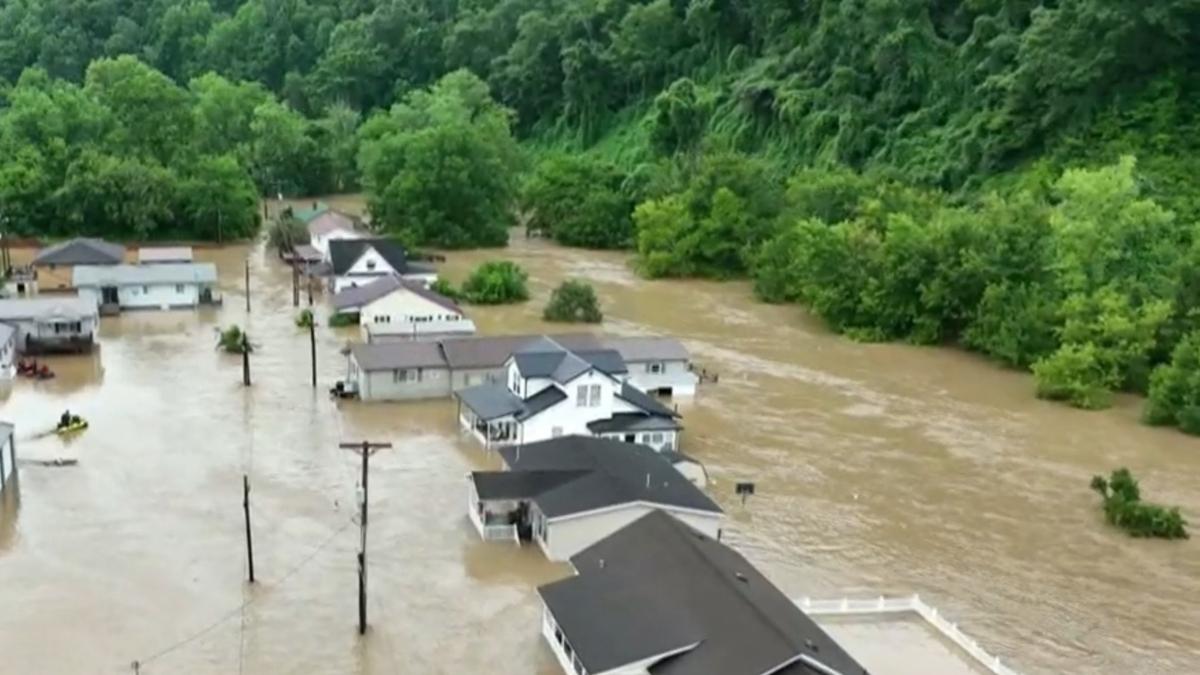
Rescuers battle floodwaters as four people die across 18 Kentucky Districts
Flood-torn communities face a slow, grueling path to recovery

KENTUCKY, ARKANSAS — Marcus Vance fled rising floodwaters as deadly Kentucky floods killed four people and devastated entire communities. For Marcus Vance, the Kentucky floods were more than a news storyÔÇöthey were a battle to protect everything he owned. As floodwaters surged through his neighborhood in the early hours of June 27, Vance watched powerlessly as water poured into his home, engulfing furniture, family photos, and cherished possessions within minutes. Forced to leave with little more than the clothes he wore, he became one of thousands of Kentuckians whose lives were disrupted by the disaster.
Now, as rescue teams continue recovery work and communities start the lengthy process of rebuilding, Vance’s experience highlights the human cost of a catastrophe that transformed everyday lives overnight. The opposing forces in this crisis are a relentless, fast-moving environmental disaster and exhausted rescue teams fighting against the ticking clock to stop it. At stake is nothing less than human survival. For every hour that passes, rising floodwaters cut off more neighborhoods, turn roads into impassable rivers, and weaken vital infrastructure like the Bullitt County dam embankment.
The terrifying result of this struggle isn’t measured in inches of rainfall, but in the agonizing choices left for residentsÔÇölike those in Richmond who fell asleep in safety only to wake up as police kicked down doors while water trapped their downstairs neighbors. For Mar cus Vance an d his emergency crews, every minute lost to a washed-out bridge or a submerged road is a minute where a stranded family goes without aid, pushing the tragedy from a property crisis to a desperate fight to save lives.
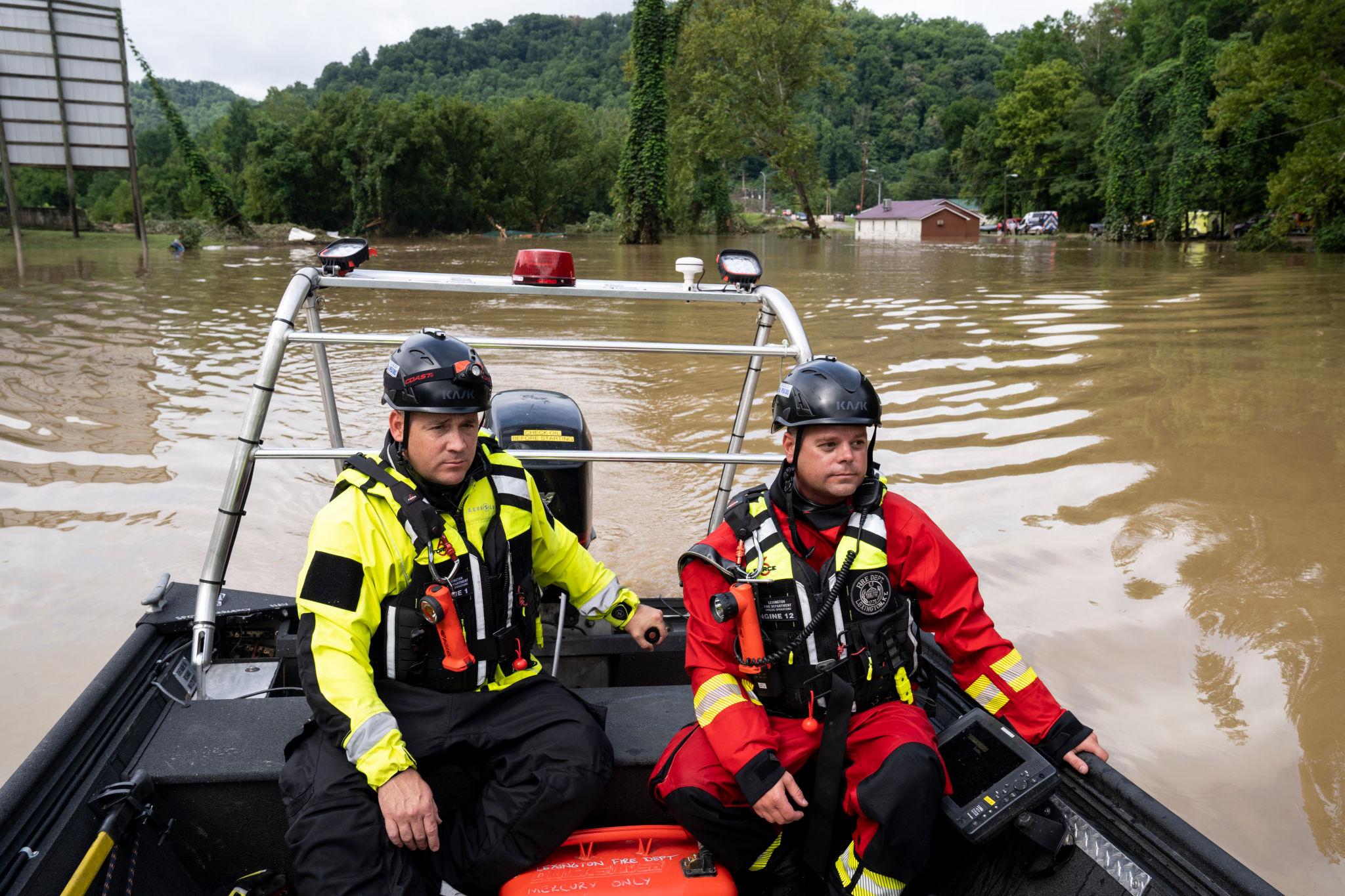

Tired rescue teams conduct water rescue operations as rapidly rising floodwaters trap residents in Kentucky on June 28, 2026 at 12:15 PM. Photo: AP/Reuters
In Richmond, residents Richard Walker and Darryl Lawson were asleep on the upper floors of their brick apartment building, unaware of the danger until police literally kicked their doors open, yelling that they were flooded. While Walker and Lawson escaped, the water surged into the basement units so rapidly that other downstairs residents barely made it out aliveÔÇöand tragically, two of their neighbors, including 57-year-old John Powell, were trapped and drowned inside their basement apartment.
Walker, who was already grieving the loss of his wife and another pet, was evacuated to a hotel room with nothing left but his 15-year-old dog, Sugar. When natural disasters destroy critical assetsÔÇösuch as the 12 state roads and multiple bridges knocked out across KentuckyÔÇötaxpayers ultimately bear the cost. Beyond immediate emergency response, funding long-term infrastructure rebuilding will require major reallocations of state budgets and heavy reliance on federal aid (such as Federal Emergency Management AgencyÔÇÖs (FEMA)Public and Individual Assistance programs).
Emergency infrastructure failures cascade into broader public service crises. In Madison County, over 320 homes were immediately left without running water, shifting the burden onto municipal services to distribute drinkable water and manage sanitation. Displaced families also strain local social safety nets, forcing schools and civic centers to quickly pivot into temporary emergency shelters.
For residents, the financial and emotional strain is immediate. Displaced tenants, such as those in condemned apartment units in Richmond, face sudden homelessness. The economic impact is compounded by hidden vulnerabilities; many standard renter and homeowner policies do not cover flash flood damage, leaving people entirely dependent on limited government relief funds.
“I hope affected families get the support they need to rebuild, and that communities become better prepared for disasters like this in the future," said Marcus Vance, a resident in Kentucky.”
As floodwaters start to recede, Kentucky officials are turning their attention from emergency rescues to damage assessments, recovery efforts, and obtaining additional state and federal support for impacted communities. Governor Andy Beshear has stated that evaluations will proceed in the coming days, with disaster relief funding and reconstruction plans expected to follow.
For residents such as Marcus Vance, nevertheless, the struggle is just beginning. Thousands of families now confront the difficult task of rebuilding homes, replacing lost belongings, and healing from the emotional impact of the disaster. With forecasters cautioning that more rain might hinder recovery efforts, the upcoming weeks will test Kentucky’s strength as communities strive to rebuild and prepare for future severe weather events.