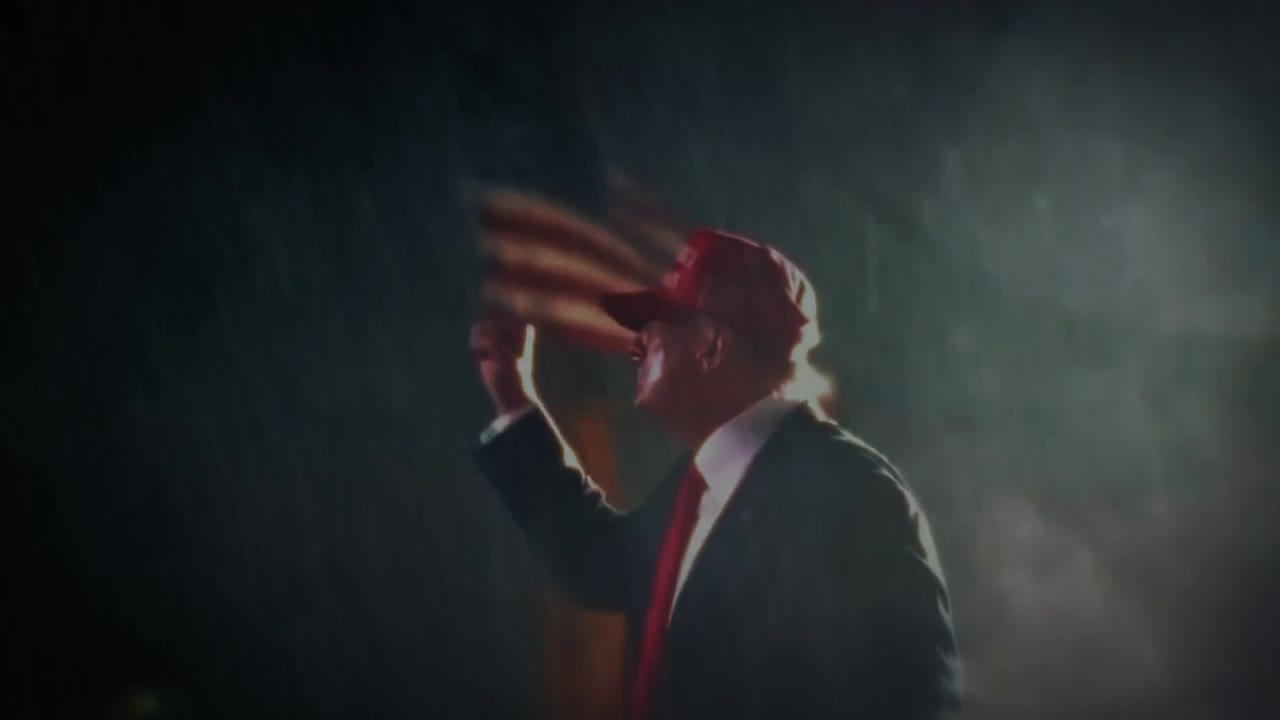

Trump Warns Fraudsters Will Face Prison in Video Post
Trump shares a video vowing longer prison sentences for those who steal from the American people and personal liability for officials who ignore fraud.

WASHINGTON D.C. — Donald J. Trump shared a video on Truth Social warning that anyone who steals from the American people will face lengthy prison sentences.
The video features a speaker outlining a series of proposed penalties targeting fraud against the public. The message threatens escalating consequences, including doubled sentences for repeat offenders and personal liability for state and local politicians who fail to act on known fraud.
Here is the full post on truthsocial: “If you steal from the American people, you will go to prison for a long period of time. The more you steal, the longer you’ll stay in that prison. Probation is no longer an option for the fraudster. If you’re a convicted fraudster who gets caught stealing for the second time, your sentence will be doubled. If a state or local politician knows about fraud but does nothing about it, they could be personally liable. This will make fraudsters think hard before they keep stealing from the American people.” on October 12, 2026 at 10:23 AM ET.
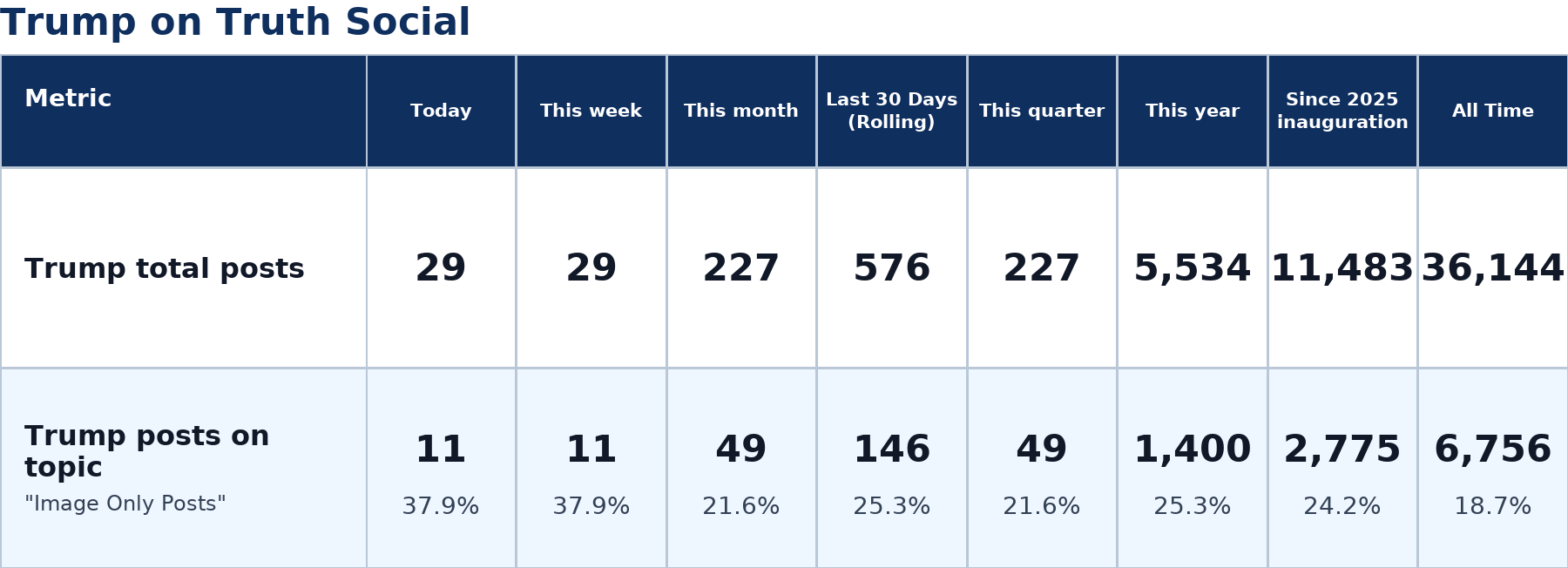
This is Trump’s 29th message released today, and the last post was 4 minutes ago, and it is not part of a thread. On average, Trump produces 18 posts per day since his inauguration on January 20, 2025. The move fits a broader pattern in Trump’s recent messaging, with 146 of his 576 posts over the last 30 days classified as image-only posts.
The video lays out five distinct enforcement proposals. Prison time replaces probation as the baseline punishment for convicted fraudsters. Sentence length scales with the amount stolen. Repeat offenders face automatic doubling of their sentences. State and local politicians who know about fraud but take no action could face personal liability. The combined effect, the speaker said, would force fraudsters to “think hard” before targeting the American people.
The proposals, if enacted, would mark a significant toughening of fraud enforcement at the federal level. Ordinary Americans who interact with government benefit programs, tax systems, or public contracting could see changes in how fraud cases are prosecuted and how quickly offenders return to the system. Eliminating probation as a sentencing option for fraud convictions would remove judicial discretion that courts have historically exercised in white-collar cases.

Zenger analysis
Photo by Zenger analysis
President Trump is the author of Trump: The Art of the Deal, Trump: Think Like a Billionaire: Everything You Need to Know About Success, Real Estate, and Life, and Think Big: Make It Happen in Business and Life. Analyst and Trump supporter Rod Martin points to The Art of the Deal, Trump's 1987 book, as an explanation of his deal-making philosophy: making big announcements, pivoting often in public statements and, Martin says, ultimately getting what he wanted all along. Critics contend that Trump's books were published decades ago or were aimed at making money, not shedding light. "Generally," Martin said, "critics don't read The Art of the Deal. If they did, they would understand."