Porsche Shifts Gears as EV Bet Falters
Strong U.S. demand cannot offset mounting EV losses, prompting the luxury automaker to renew its focus on combustion engines and hybrids.

WASHINGTON — After its ambitious investment in electric vehicles produced lower-than-expected financial returns, Porsche is revising its path. Even while the German performance brand’s sales in the US are still strong, the firm reoriented its approach due to rising research and development costs and slower-than-expected EV uptake, which drastically reduced earnings.
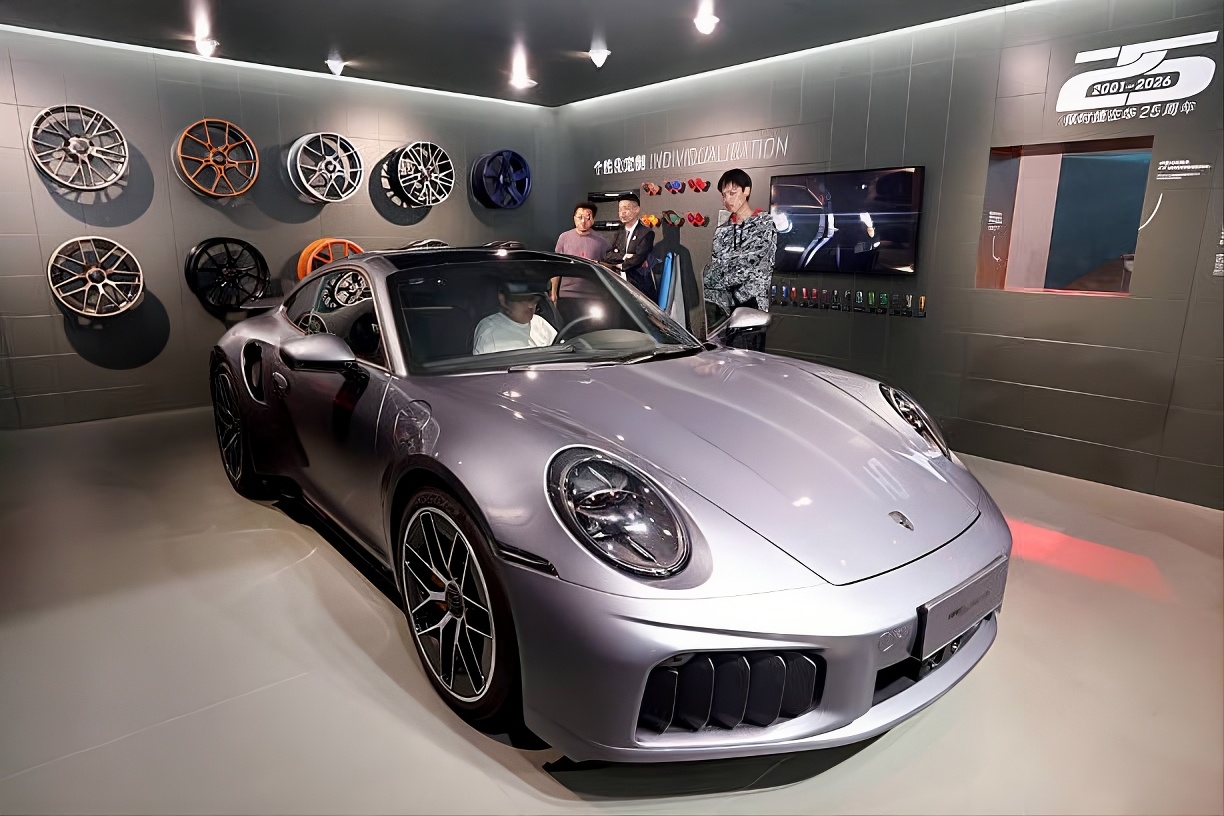
Porsche is adopting a balanced strategy that incorporates internal combustion engines, hybrid technologies, and battery-electric vehicles rather than aiming for an all-electric future. Leaders of the company reiterated that the iconic 911 will never run entirely on electricity, stating that the sound, feel, and performance of a combustion engine are integral to its character.
“The 911 represents more than performance. It represents Porsche's heritage. We believe hybrid technology allows us to improve efficiency and performance while preserving the unique driving experience that generations of customers value," said Oliver Blume former CEO of Porsche AG and current CEO of Volkswagen Group.”
As consumer demand for EVs decline and the cost of creating next-generation electric platforms continues to rise, some automakers are rethinking their ambitious EV deadlines, an adjustment that is part of a larger trend in the automotive industry.
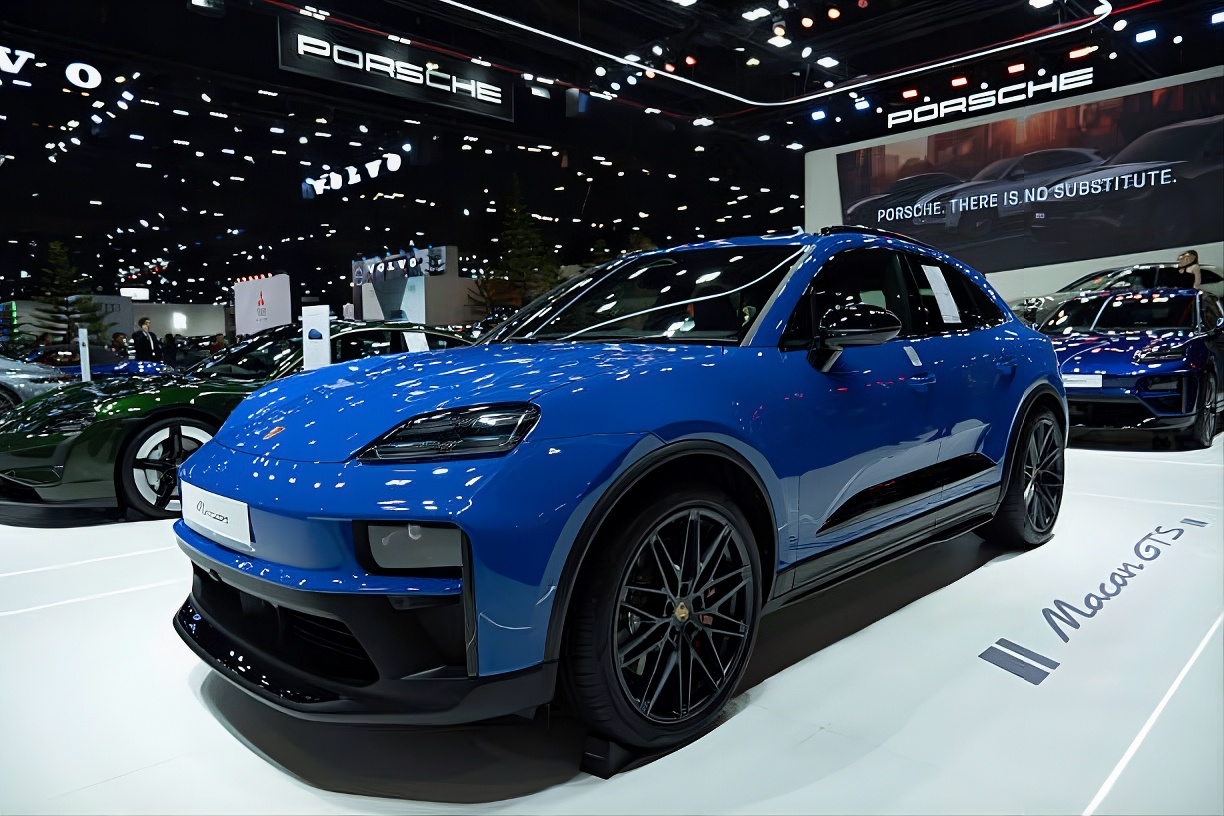

The all-electric Porsche Macan Electric highlights Porsche's continued investment in battery-powered vehicles despite a renewed focus on combustion engines and hybrid in Nonthaburi, Thailand. Photo: Vachira Vachira/Getty Images
Porsche, however, is not entirely giving up on electrification. The automaker intends to continue growing its electric portfolio, and models like the Taycan and the all-electric Macan remain important components of its lineup. To give customers more flexibility and maintain the driving experience that has distinguished the brand for decades, the company is expanding investment in gasoline-powered and hybrid vehicles.
It’s hard to overlook the contrast. Porsche is celebrating record deliveries in the United States, but its EV program’s financial strain has highlighted the dangers of depending too much on a market that is changing quickly. Offering a variety of powertrain alternatives is now seen by the company as a more sustainable course of action than focusing just on electric vehicles.
The 911’s distinctive roar is here to stay for Porsche enthusiasts. It serves as yet another reminder to the broader auto industry that there is unlikely to be a single path toward electrification.