Trump releases election-integrity files alleging China stole 220 million voter records
Trump the White House posted intelligence reports and investigation documents on voting-machine security, foreign data theft and noncitizen registration spanning January 2020 to June 2026.

WASHINGTON D.C. — Donald Trump released a trove of election-integrity documents alleging widespread foreign meddling and fraud in American voting systems.
Here is the full post on truthsocial: “Ensuring the integrity of our elections is fundamental to preserving trust in American democracy. Following the 2020 presidential election, concerns about potential irregularities prompted detailed examinations of voting processes, data security, and registration practices across multiple states… Download documents and reports addressing key areas of election integrity, here: https://www.whitehouse.gov/election-integrity/”
The collection, published on the White House website, groups the material into four areas, according to whitehouse.gov. Those areas cover vulnerabilities in electronic voting systems, China’s acquisition of American voter data, a Michigan voter-registration investigation, and noncitizens on state voter rolls. The documents span January 2020 to June 2026. The post carried a timestamp of July 17, 2026 at 10:13 PM ET.
The intelligence assessments claim adversaries hold the capability to compromise U.S. election infrastructure. “We judge that U.S. adversaries, including at a minimum Russia, China, Iran, and North Korea, as well as non-state groups, have the capability to compromise U.S. election infrastructure,” one assessment states, according to whitehouse.gov. The release also alleges the People’s Republic of China obtained 220 million U.S. voter files starting in the 2020 election cycle, calling it the largest compromise of election data in history.
The White House framed additional findings as evidence of buried fraud and lax safeguards. A Department of Homeland Security review identified roughly 278,000 noncitizens registered to vote in federal elections, according to whitehouse.gov. The material also cites FBI files describing a Michigan voter-registration operation in Muskegon and a CIA report of a plot by the Maduro regime in Venezuela to alter vote totals in that country’s 2020 elections.
The stakes reach every voter who casts a ballot. Backers of the release argue the disclosures justify Voter ID, proof-of-citizenship rules and limits on mail balloting. Critics of such measures warn that added requirements can slow turnout and burden eligible voters. The documents themselves remain unverified claims presented by the executive branch rather than adjudicated findings.
The scale described dwarfs prior election-security disputes. Federal officials in 2016 flagged attempted probing of voter systems in a handful of states, a figure far below the 18 states cited in the new material, according to whitehouse.gov.
Has this happened before? This has happened before, in the sense that election security has been a recurring federal concern. Trump has posted heavily on the subject, with 99 of his 516 Truth Social posts over the prior 30 days touching elections, according to Zenger analysis.
The next move rests with FBI Director Kash Patel, whom the post directs to fully investigate the Michigan matter and coordinate prosecutions with the Department of Justice. A specific date for any charging decision has not been announced.
Disputes over vote counts are older than the republic’s modern machinery. In the contested 1876 election, Republican Rutherford B. Hayes trailed Democrat Samuel Tilden by roughly 250,000 popular votes, yet a 15-member congressional commission awarded Hayes all 20 disputed electoral votes by an 8-7 margin in 1877. The bargain that installed Hayes ended Reconstruction and reshaped a generation of American politics.
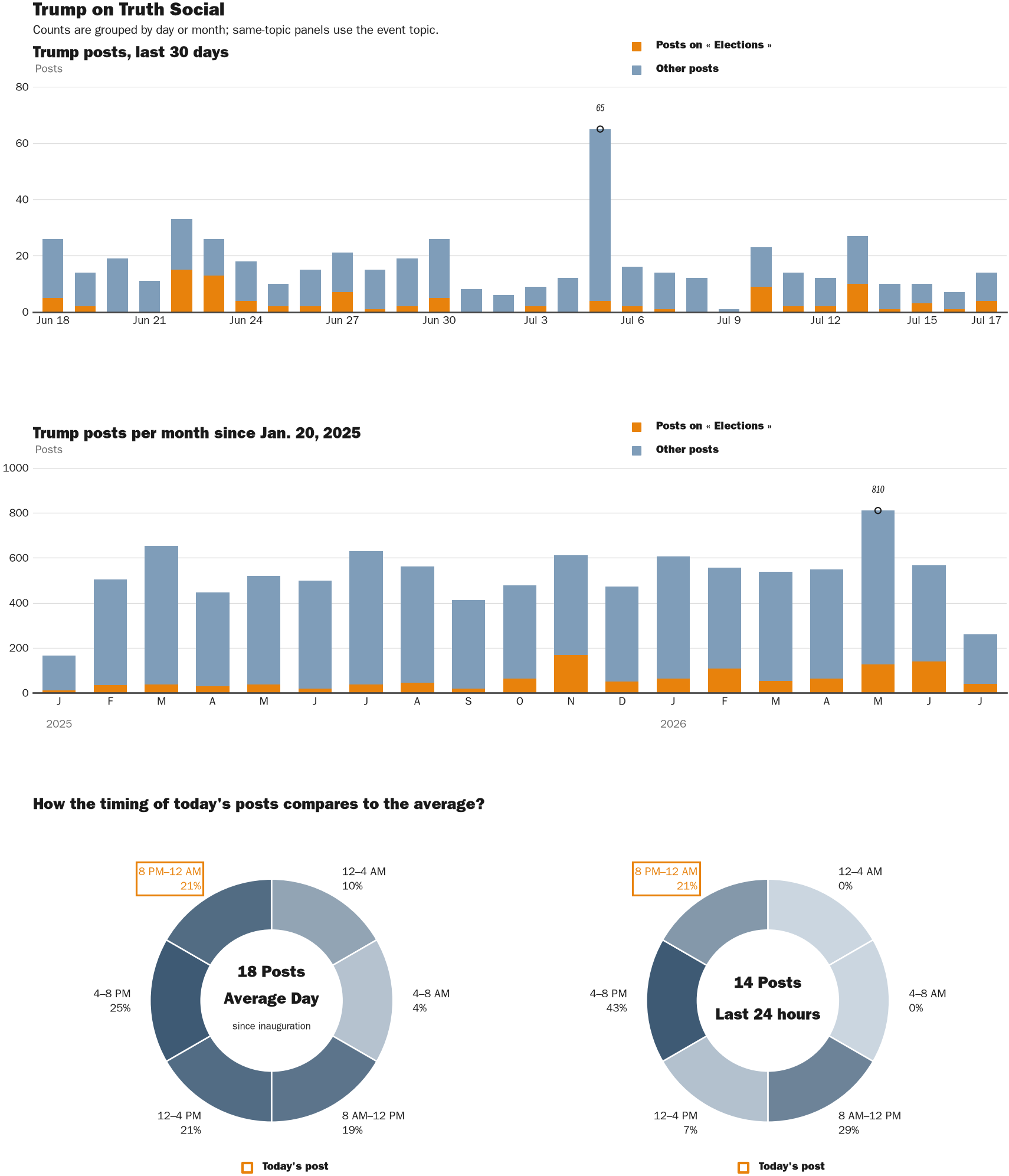

NewsFindr Chart Maker
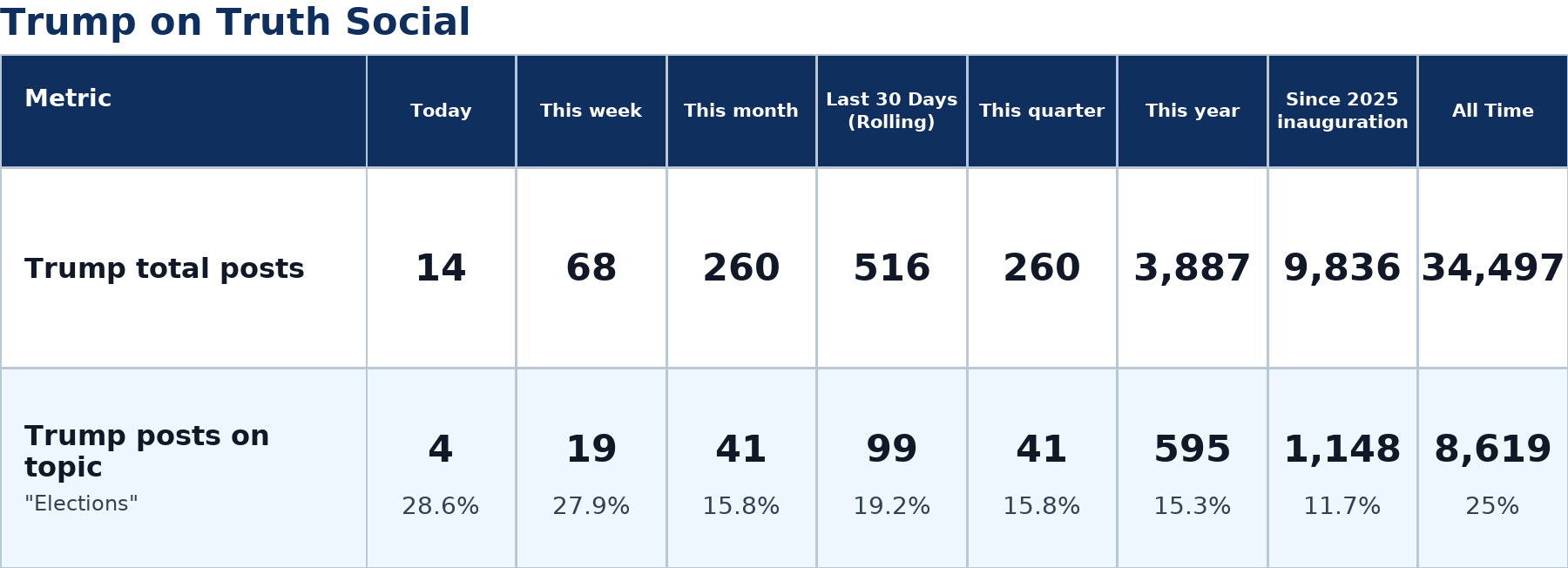
Zenger analysis
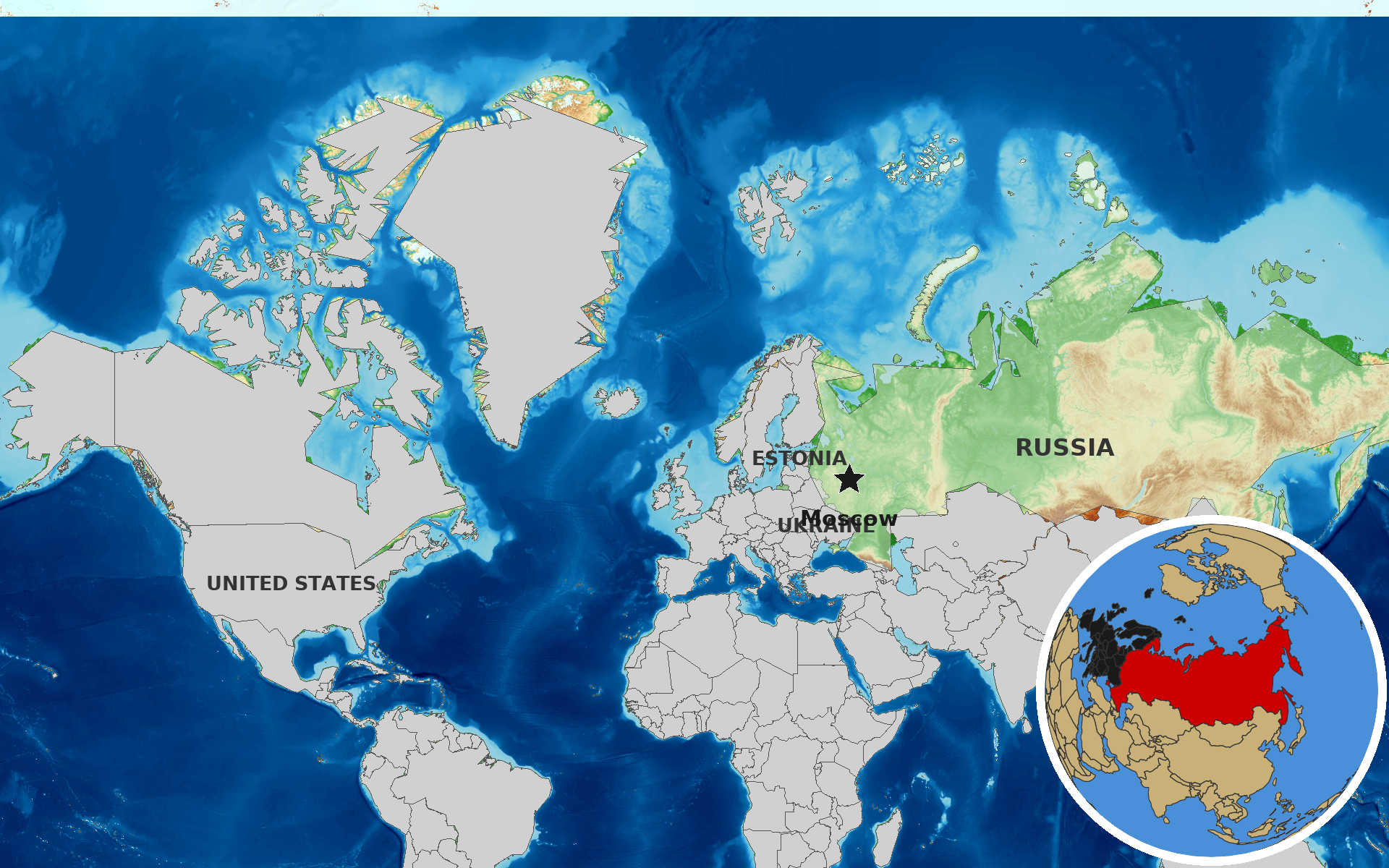
OpenTopoMap / Natural Earth – Russia
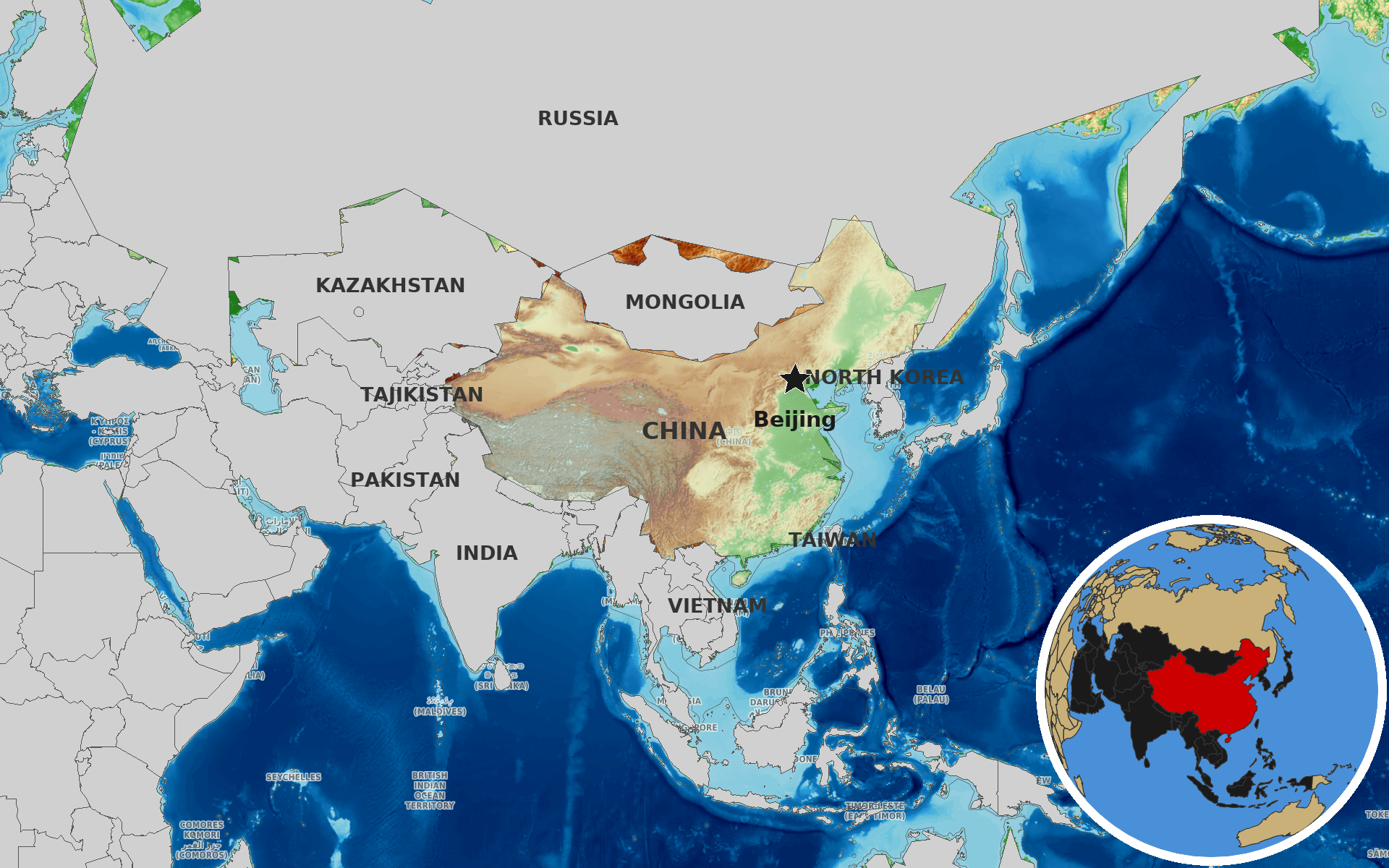
OpenTopoMap / Natural Earth – China
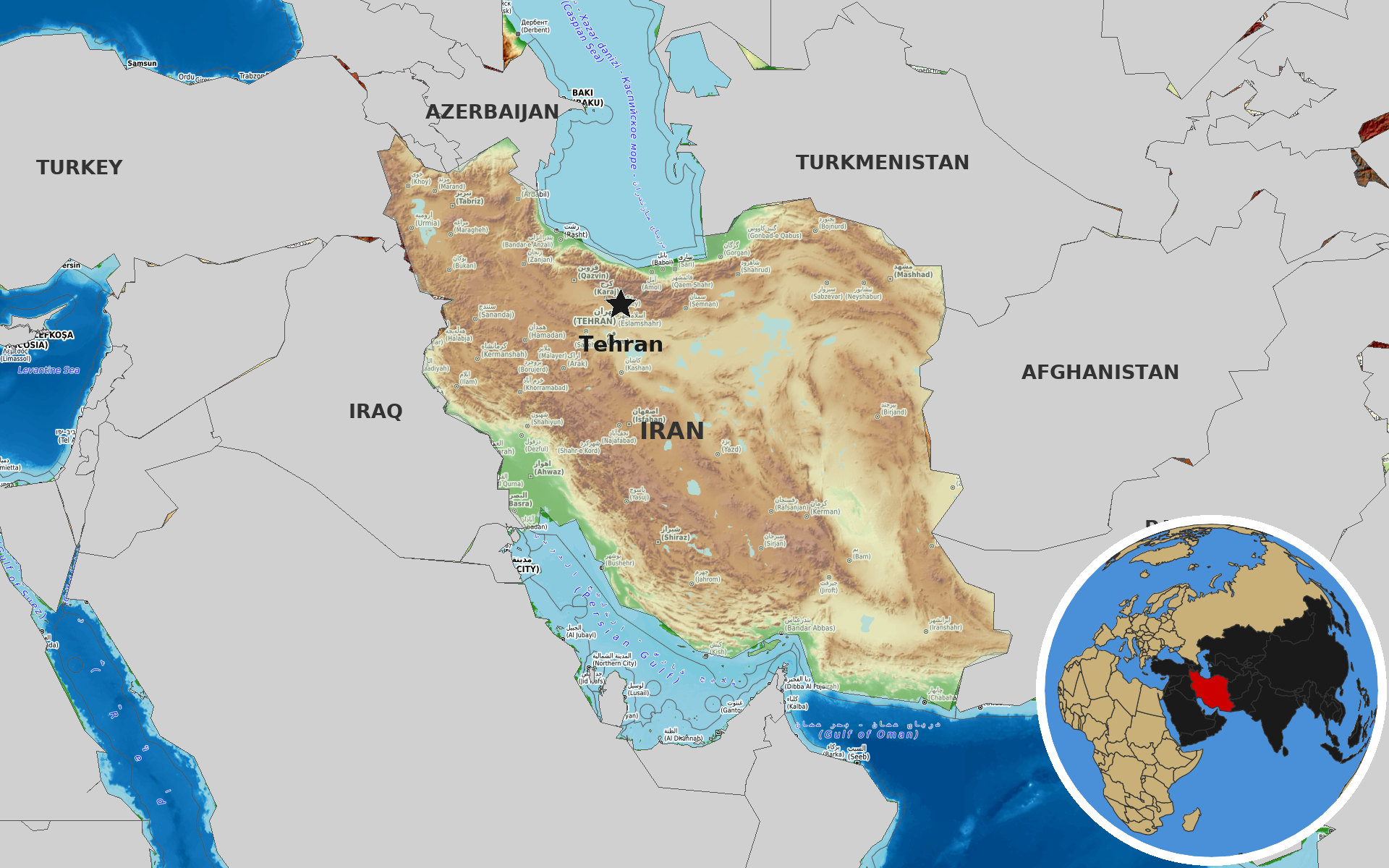
OpenTopoMap / Natural Earth – Iran
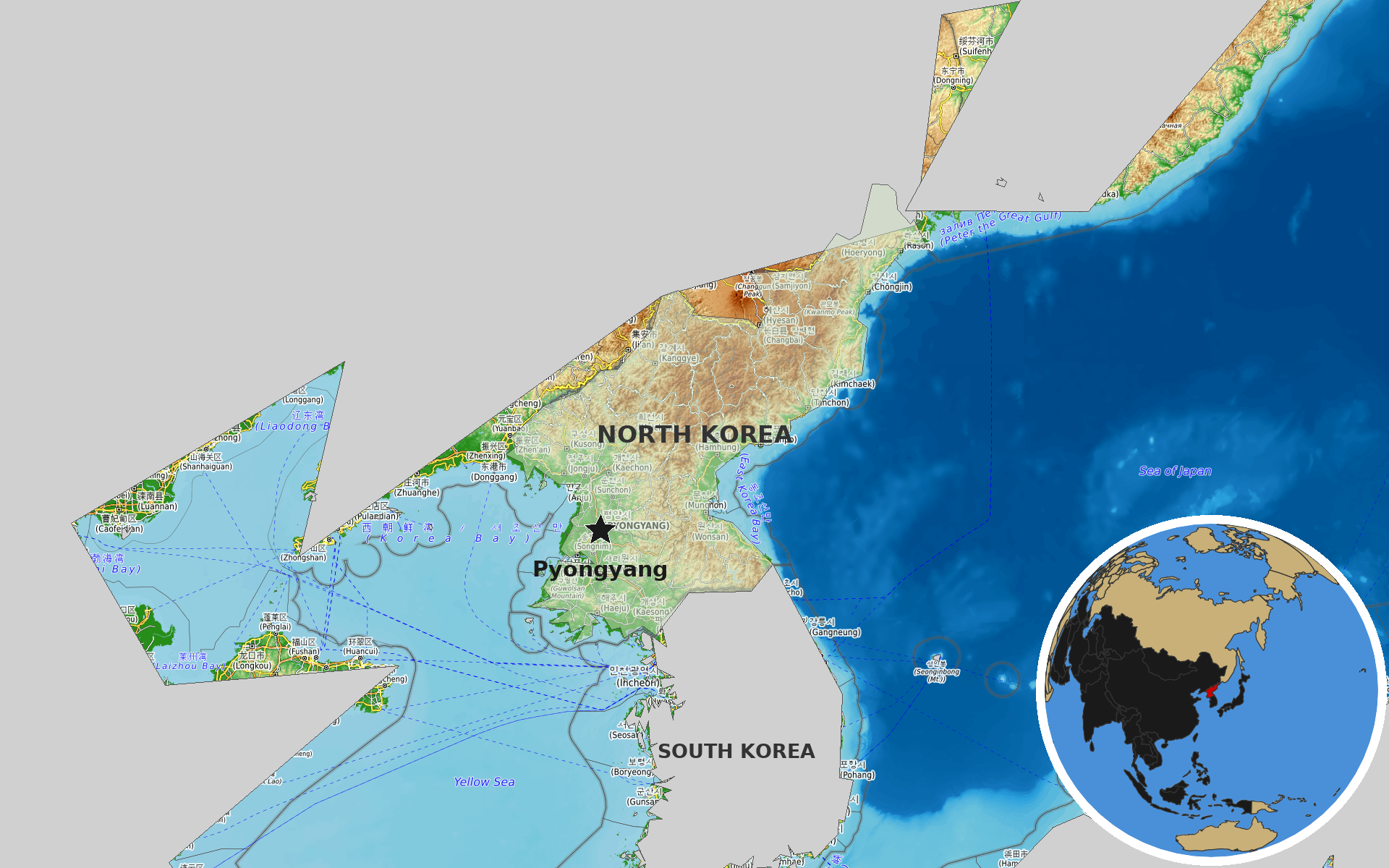
OpenTopoMap / Natural Earth – North Korea
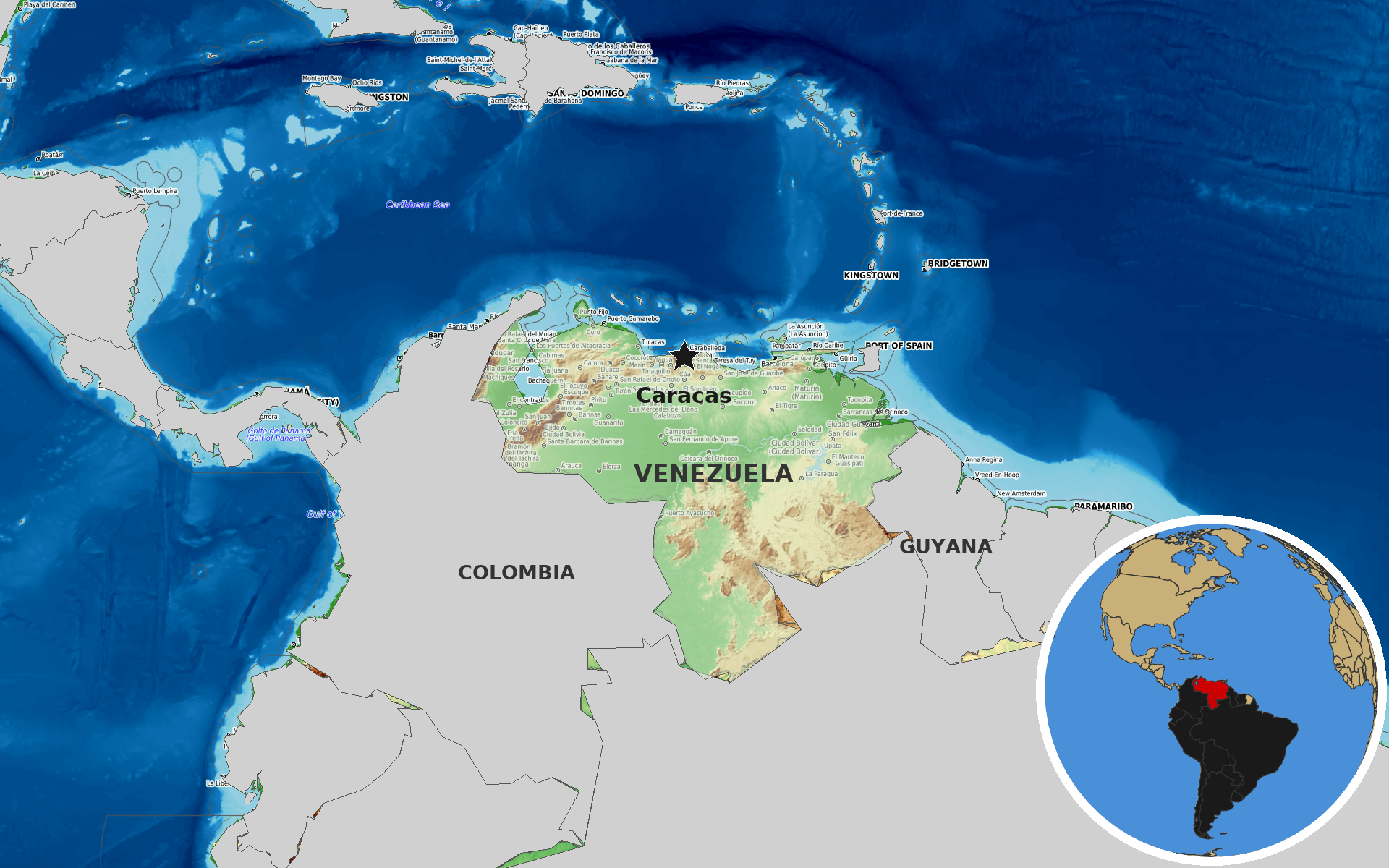
OpenTopoMap / Natural Earth – Venezuela