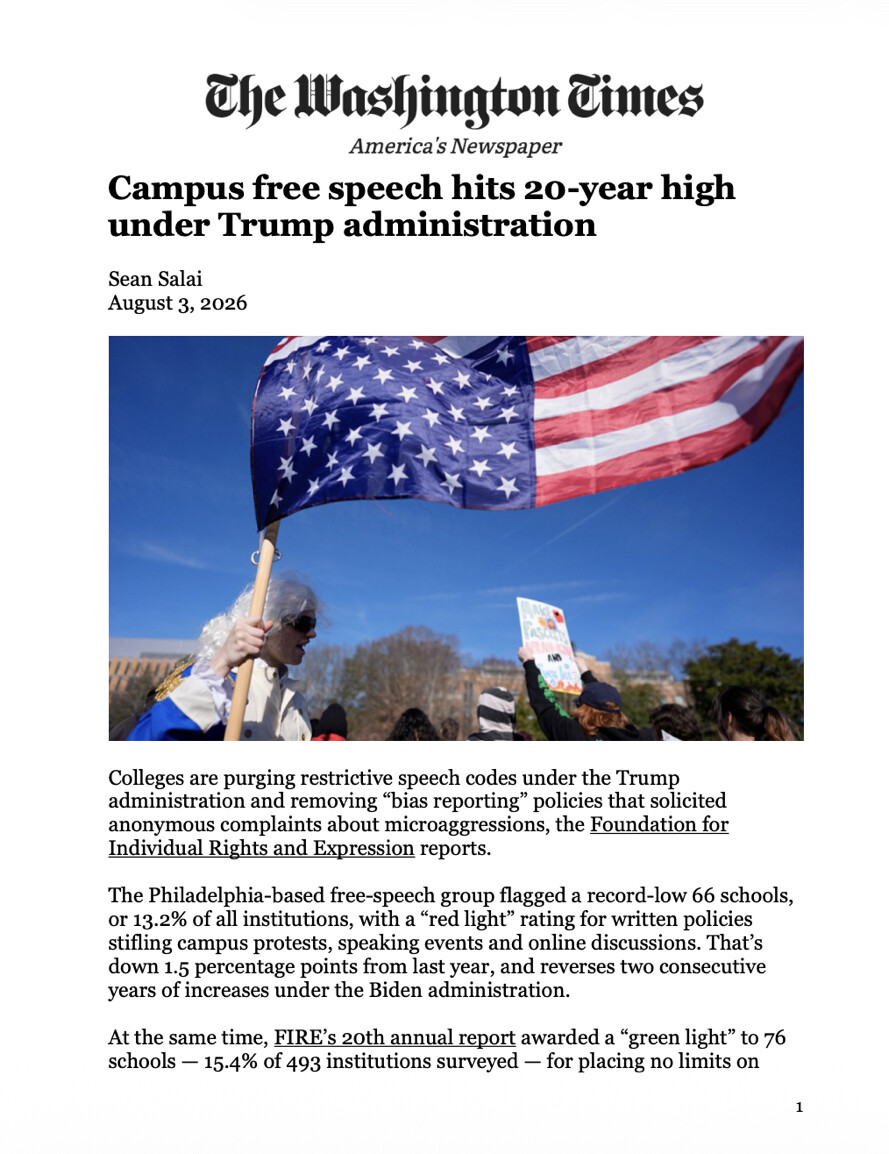
Trump Touts Report Showing Campus Free Speech at 20-Year High
Trump shares a Washington Times account of a FIRE report crediting federal pressure and his reelection for a record drop in restrictive college speech codes.

WASHINGTON D.C. — Donald J. Trump amplified a report showing campus free speech at a 20-year high, crediting his administration for pushing colleges to scrap restrictive rules.
the Foundation for Individual Rights and Expression, a Philadelphia-based free-speech group, flagged a record-low 66 schools with a “red light” rating for policies stifling protests, speaking events and online discussion, according to fire.org. Those 66 schools represent 13.2% of all institutions. That share fell 1.5 percentage points from last year and reversed two consecutive years of increases.
Here is the full post on truthsocial: “Campus free speech hits 20-year high under Trump administration” on August 4, 2026 at 10:43 AM ET.
This is Trump’s seventh message released today, and the last post was five minutes ago, and it is not part of a thread. On average, Trump produces 18 posts per day since his inauguration on January 20, 2025. The move fits a broader pattern in Trump’s recent messaging, with 52 of his 490 posts over the last 30 days classified as Domestic Policy posts.
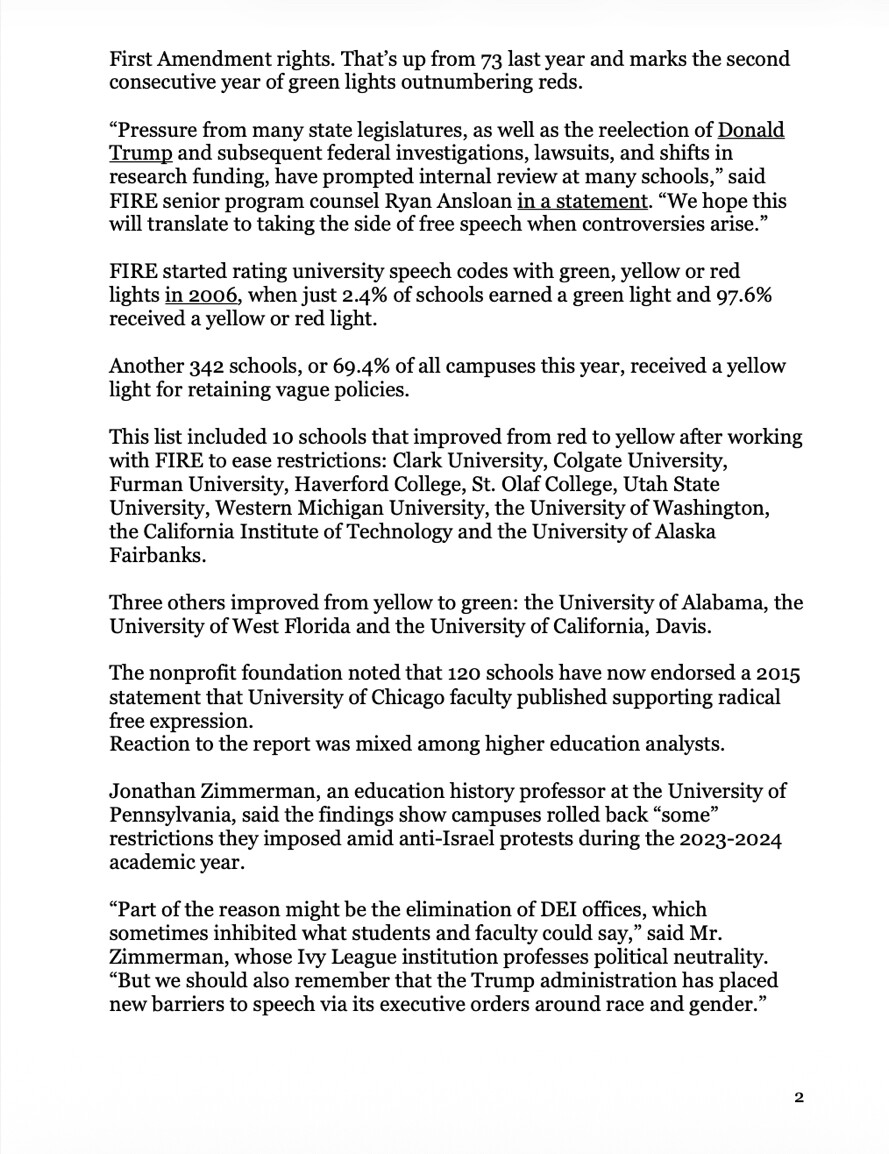

President Donald J. Trump posted on Truth Social at Washington D.C.
© copyright Zenger.News
The group’s 20th annual report awarded a “green light” to 76 schools for placing no limits on First Amendment rights, up from 73 last year, according to fire.org. Those 76 schools represent 15.4% of the 493 institutions surveyed. That marks the second straight year of green lights outnumbering reds. Another 342 schools, or 69.4% of campuses, received a yellow light for retaining vague policies.
“Pressure from many state legislatures, as well as the reelection of Trump and subsequent federal investigations, lawsuits, and shifts in research funding, have prompted internal review at many schools,” said FIRE senior program counsel Ryan Ansloan in a statement. “We hope this will translate to taking the side of free speech when controversies arise.”
Winners in the shift include public universities, where 9.8% earned red lights, the first time that share dropped below 10% in 20 years, according to washingtontimes.com. Private schools, which have wider legal room to restrain expression, lagged, with 24.6% earning red lights, roughly one in four. Ten private campuses, including Pepperdine University and Hillsdale College, drew “warning school” labels for not guaranteeing free speech at all.
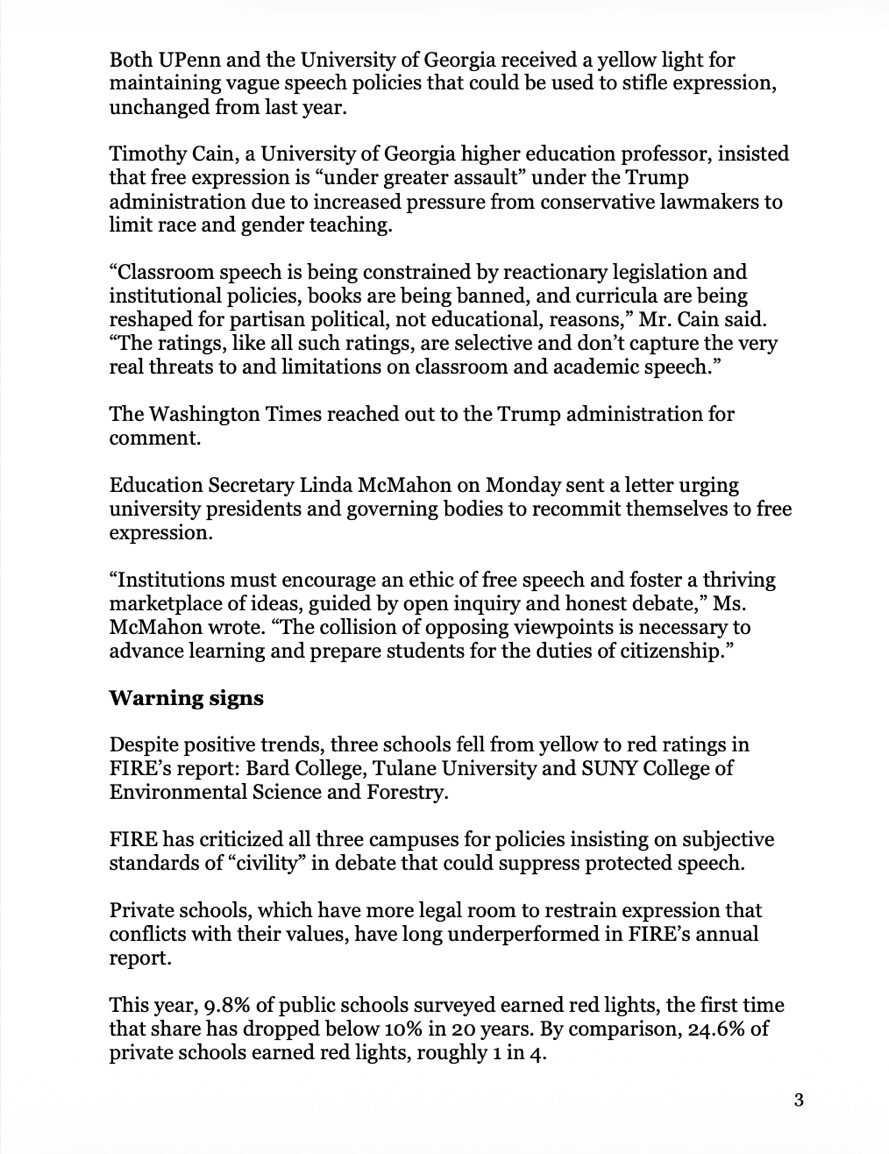
President Donald J. Trump posted a message on Truth Social at Washington D.C.
© copyright Zenger.News
Critics say the picture is more contested than the ratings suggest. Timothy Cain, a University of Georgia higher SE-Education Public Co. Ltd.professor, insisted free expression faces greater assault due to pressure from conservative lawmakers to limit race and gender teaching. “Classroom speech is being constrained by reactionary legislation and institutional policies, books are being banned, and curricula are being reshaped for partisan political, not educational, reasons,” Cain said. Amy Reid, director of PEN America's Freedom to Learn program, said the closing of DEI offices chills the climate for expression, according to campusreform.org.
For the average family paying tuition, the ratings shape whether a student can protest, invite a controversial speaker or post an opinion without facing a formal complaint. Roughly 493 institutions face public scrutiny each year through the survey. A green light signals fewer written barriers to speech on that campus.
This has happened before, though not at this scale. FIRE began rating speech codes in 2006, when just 2.4% of schools earned a green light and 97.6% received a yellow or red rating, according to fire.org. The current 15.4% green-light share reflects two decades of gradual reform, accelerated by recent state legislation and federal action.
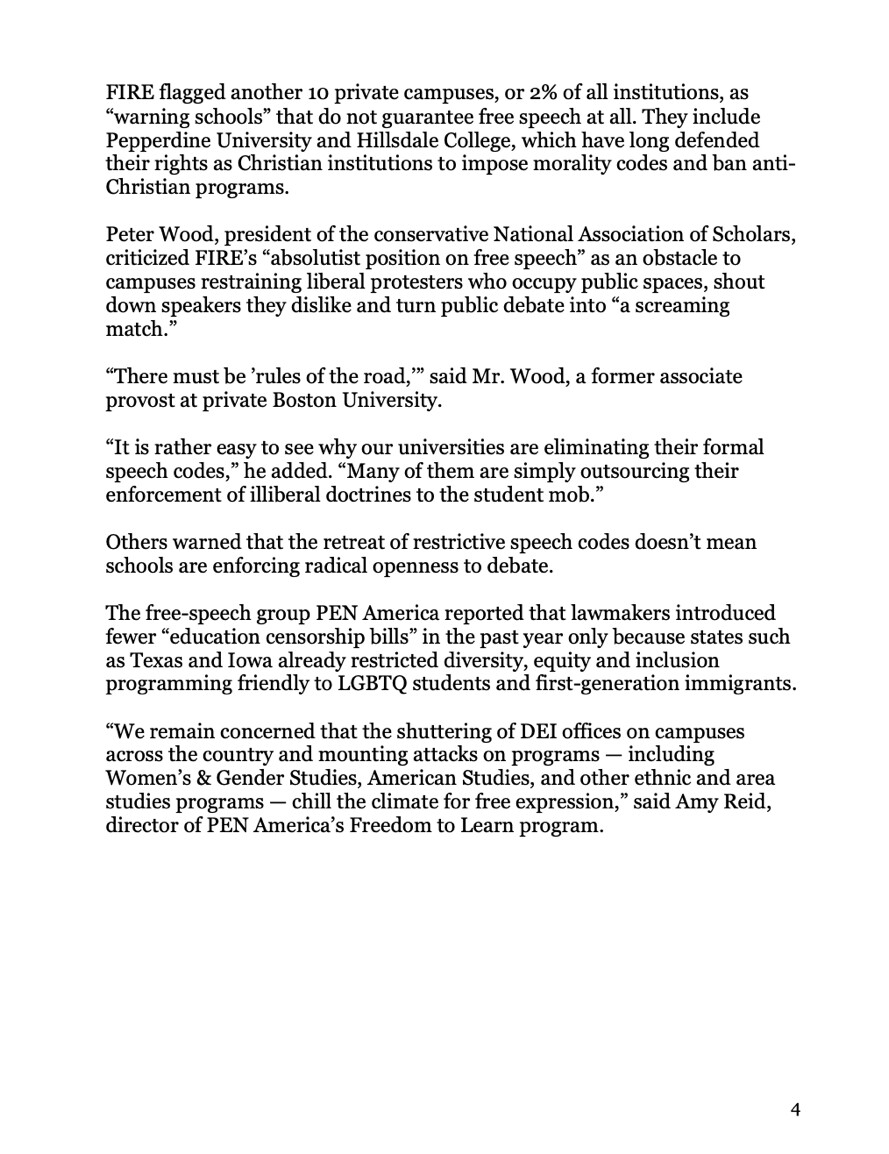
SE-Education Public Co. Ltd.Secretary Linda McMahon will steer the next federal step, having sent a letter urging university presidents to recommit to free expression. “Institutions must encourage an ethic of free speech and foster a thriving marketplace of ideas, guided by open inquiry and honest debate,” McMahon wrote. A date for further department action has not been announced.
Campus speech fights have flared for generations. The modern movement traces to the Free Speech Movement at the University of California, Berkeley, in 1964, when student Mario Savio led sit-ins after administrators banned political tables on Sproul Plaza, according to forbes.com. Nearly 800 protesters faced arrest that December, and the university soon lifted its restrictions. The confrontation reshaped American higher SE-Education Public Co. Ltd.and turned campus expression into a lasting national battleground.
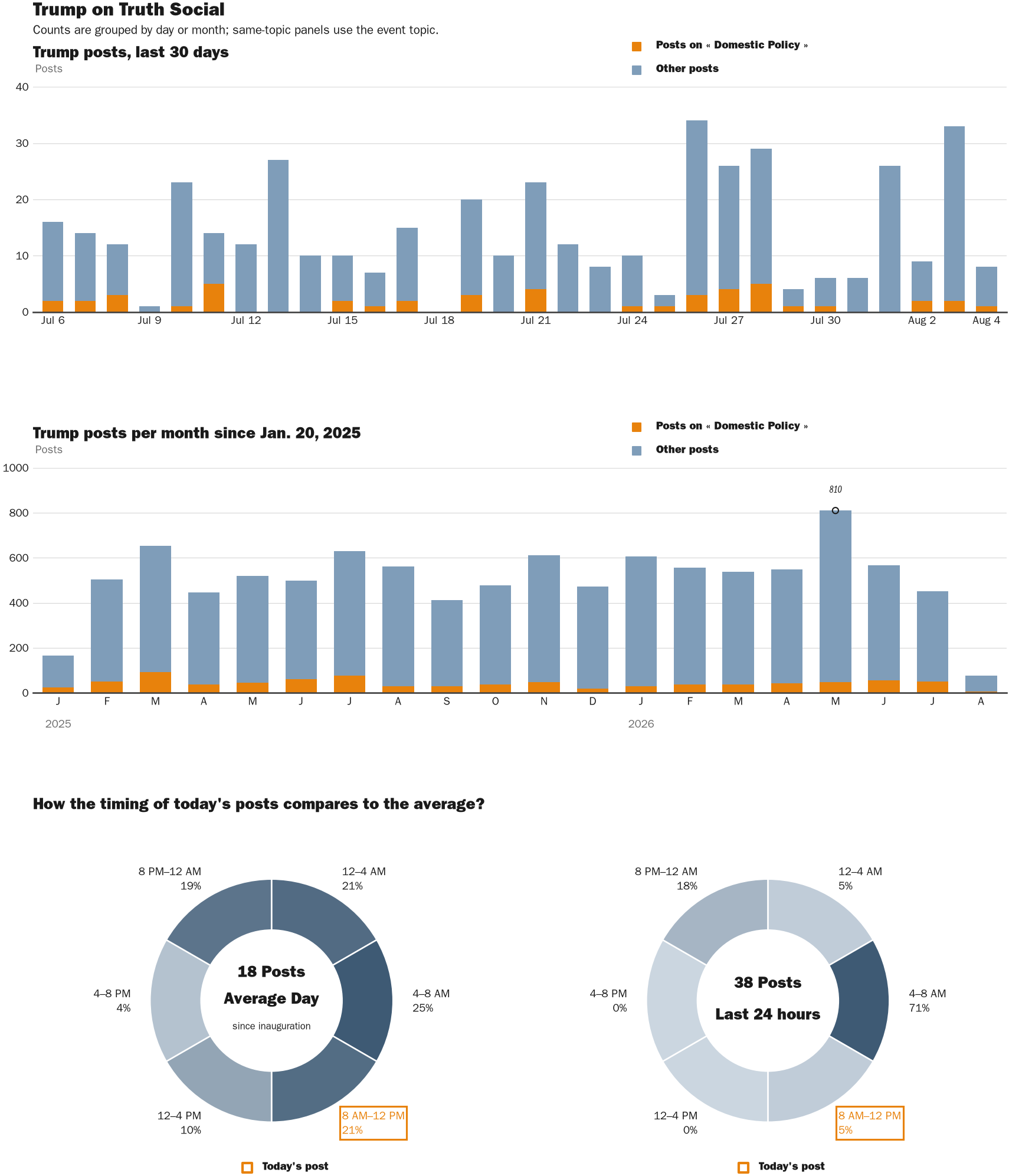
NewsFindr Chart Maker
Photo by Zenger real-time database of all Truth Social posts.
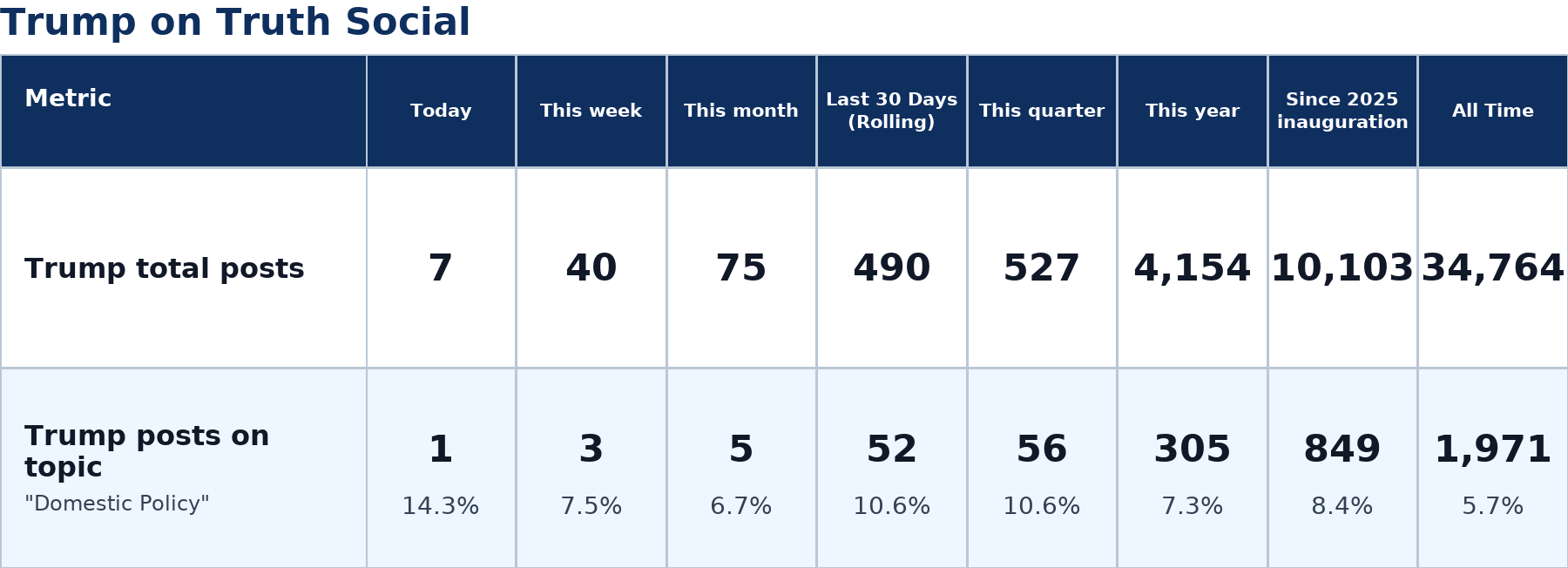
Zenger analysis
Photo by Zenger analysis
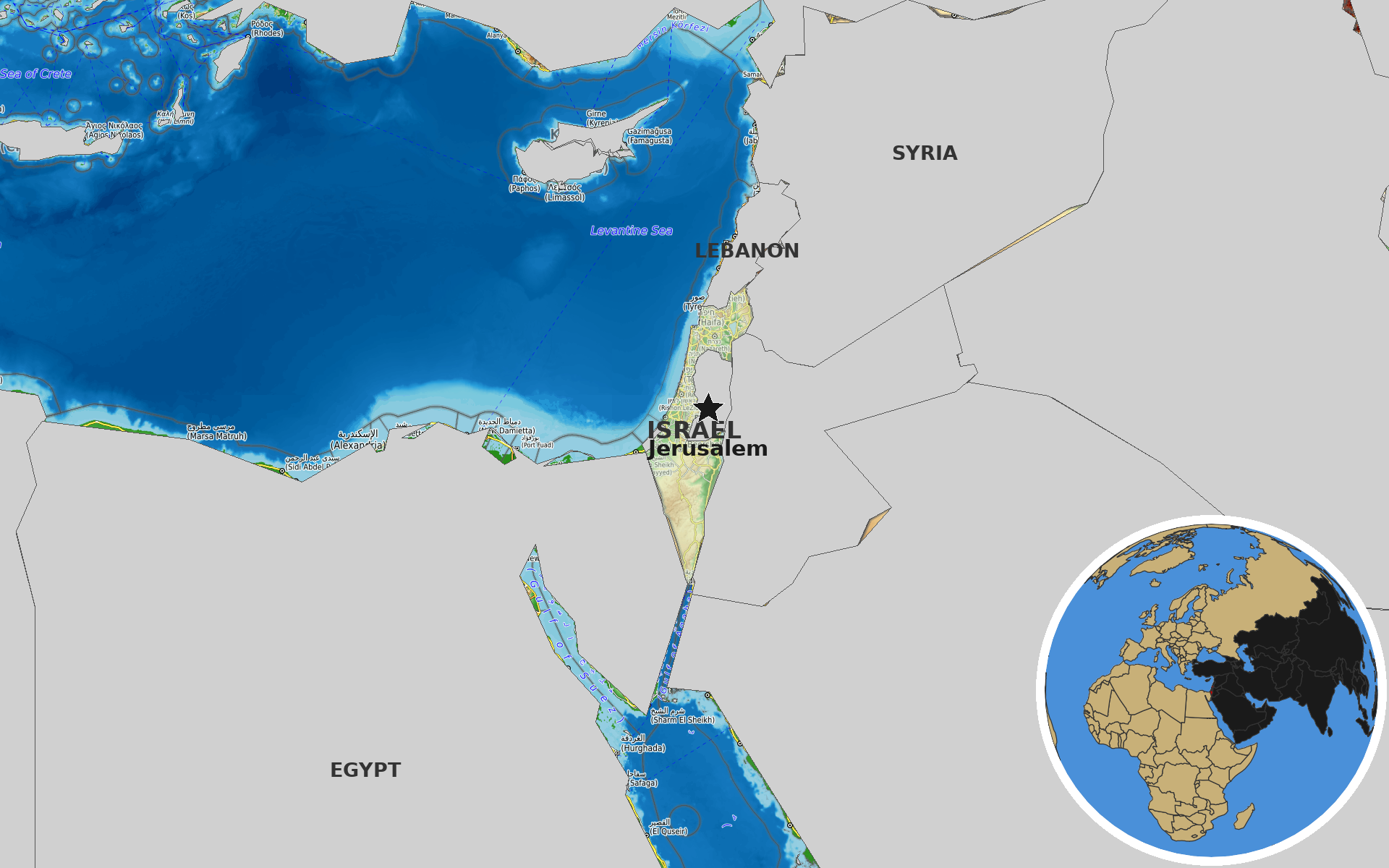
OpenTopoMap / Natural Earth – Israel
Photo by OpenTopoMap / Natural Earth – Israel
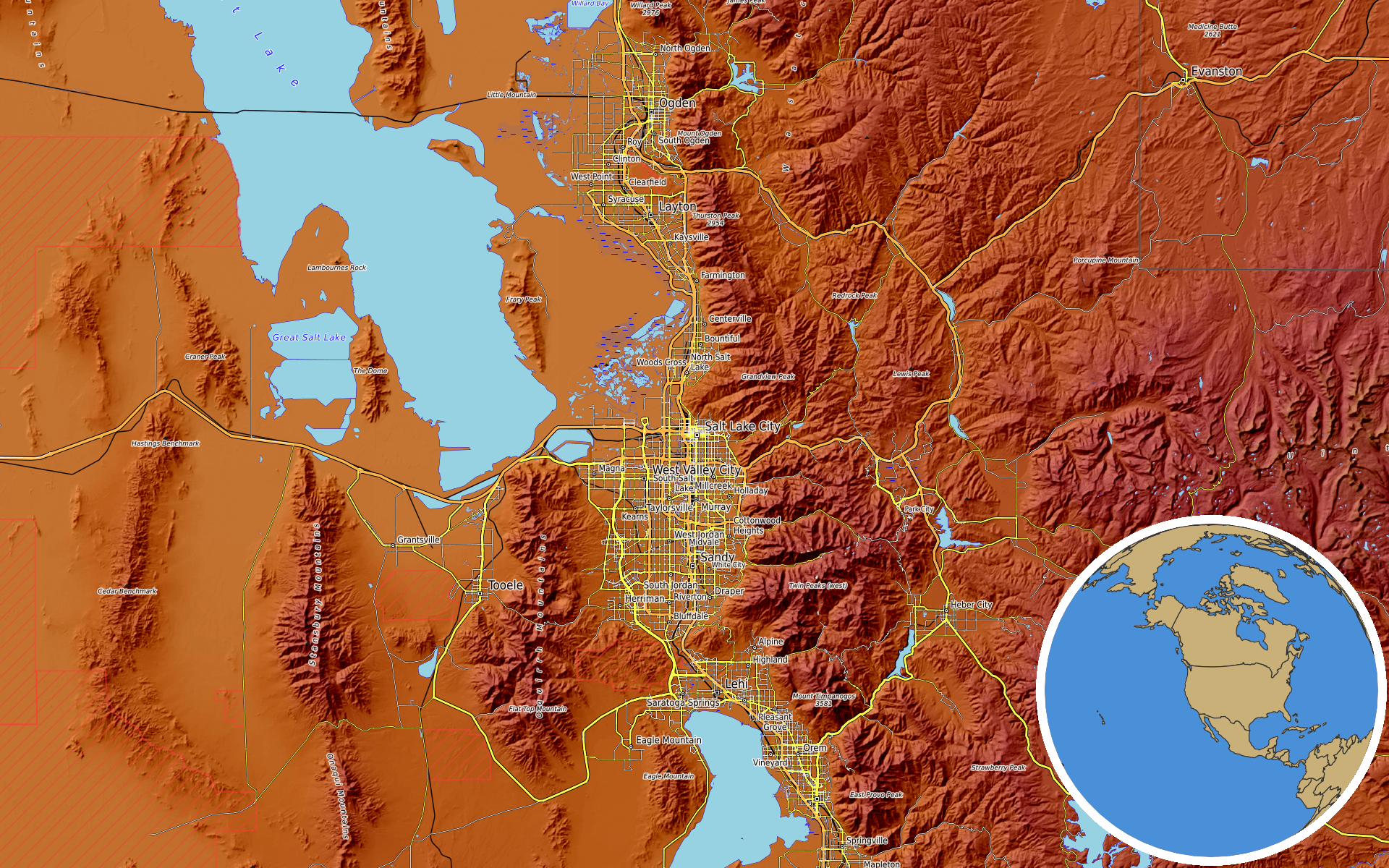
OpenTopoMap / Natural Earth – St. Olaf College, Utah
Photo by OpenTopoMap / Natural Earth – St. Olaf College, Utah