Navy Awards Dragoon Technology $9.9 Million to Arm Coriolis Drone
The Tucson small-business contractor won a firm-fixed-price deal to integrate weapons into its Coriolis unmanned aircraft, with work running through August 2028.

TUCSON, ARIZONA — Dragoon Technology LLC, a Tucson, Arizona, small business that builds unmanned aircraft, won a $9.9 million Navy contract to arm and test its Coriolis drone as announced on war.gov.
The firm-fixed-price award covers non-recurring engineering to integrate energetics into the internally developed Coriolis Unmanned Aerial System and to support test events assessing its operational suitability with onboard collaborative autonomy, according to war.gov. Fiscal 2025 research, development, test and evaluation funds of $9 million will be obligated at the time of award, according to war.gov.
The contract falls under Small Business Innovation Research Phase II Topic A234-P017, entitled Engineer Operations, through the Office of the Secretary of War Accelerated Research for Transition program, according to war.gov. That program channels federal research dollars to smaller firms whose prototypes show a path to fielding.
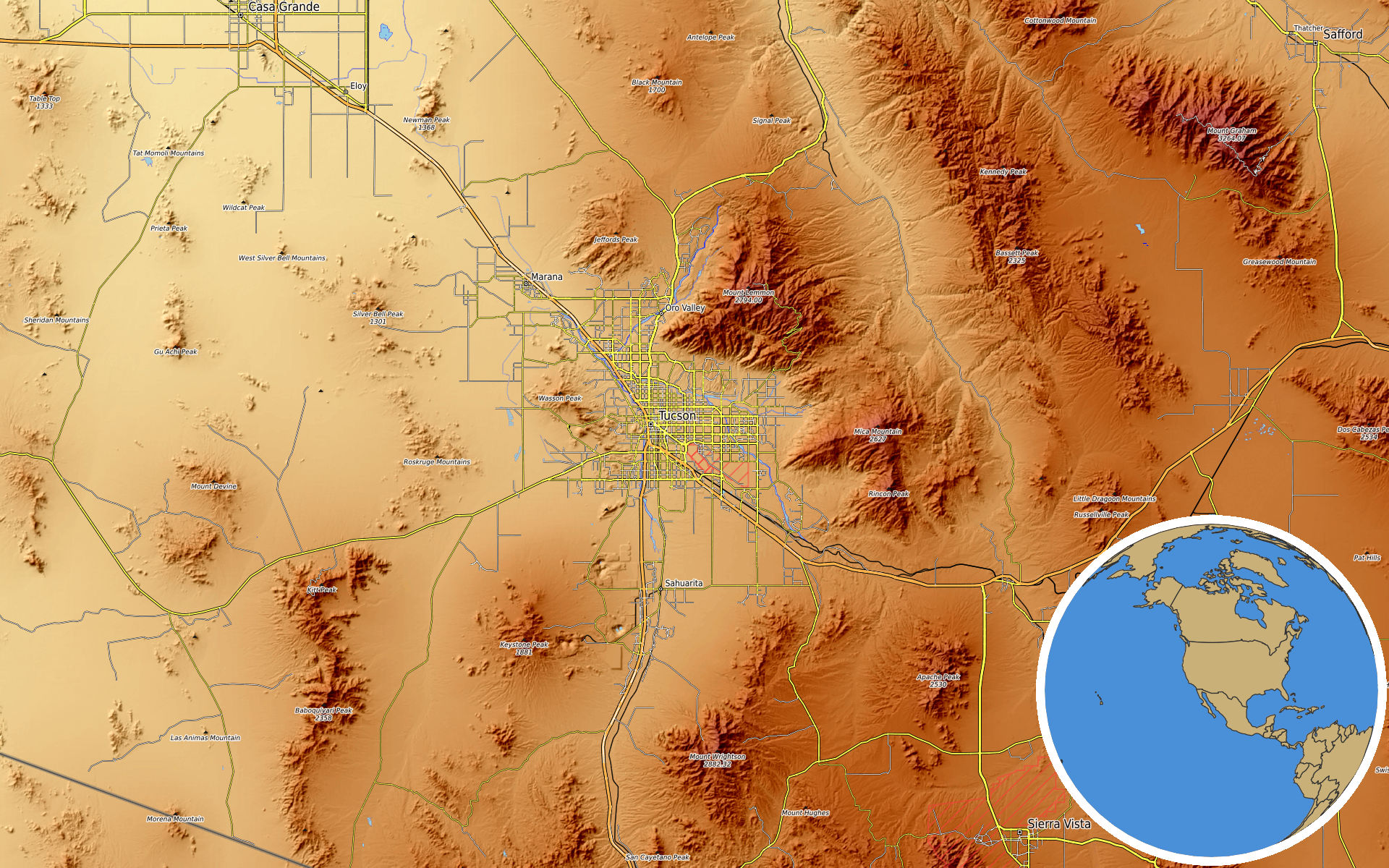
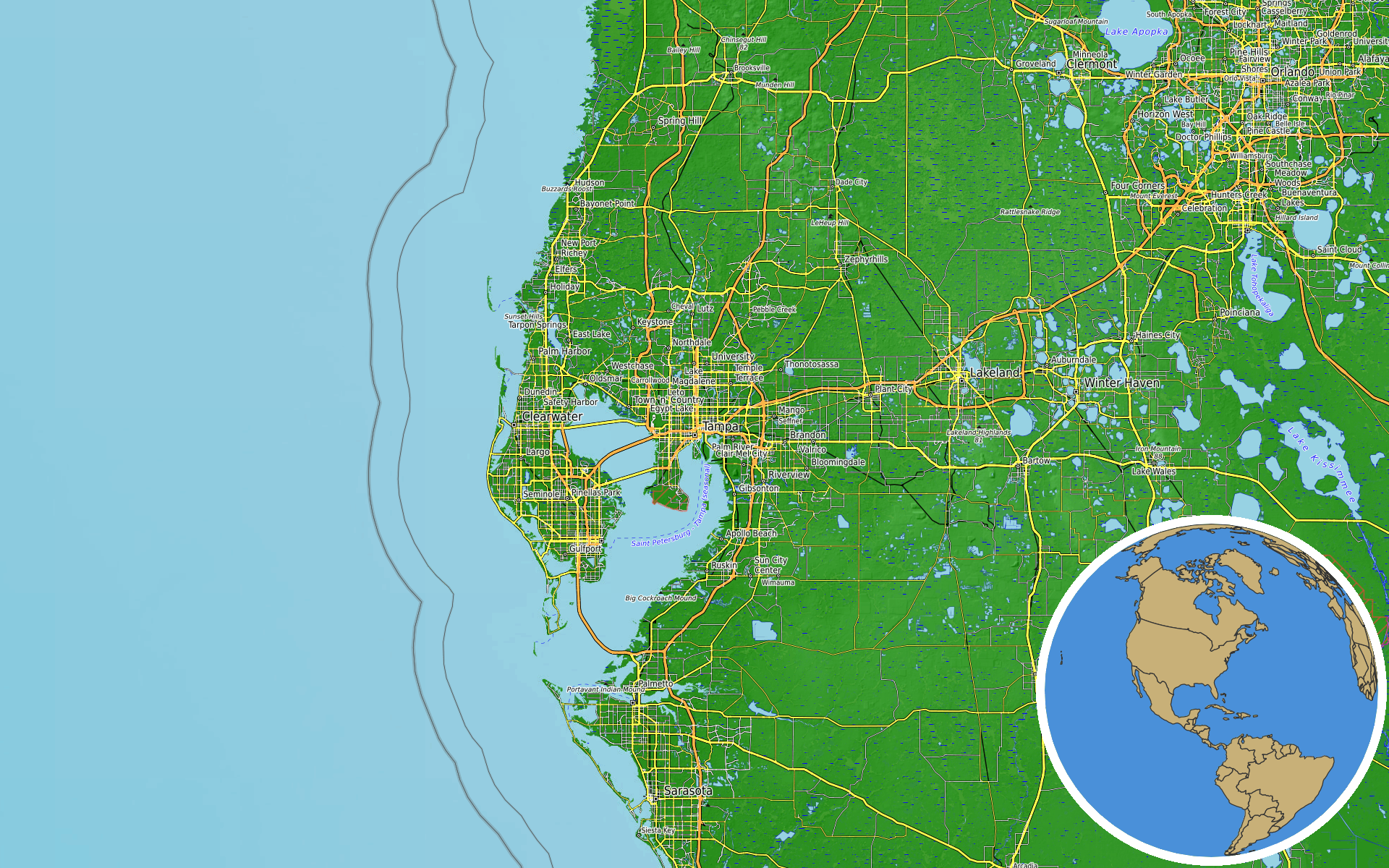
Work will be performed in Tucson, Arizona, and Tampa, Florida, with completion expected in August 2028, according to war.gov. Tucson accounts for 97% of the effort, while Tampa handles the remaining 3%. Naval Air Warfare Center Aircraft Division in Lakehurst, New Jersey, serves as the contracting activity.
The deal was competed through other than full and open competition, with one firm solicited and one offer received, according to war.gov. That structure is common for maturing SBIR prototypes, where a single developer holds the technical knowledge to advance its own design. Small contractors gain a rare bridge from laboratory concept to weaponized platform, while competitors lose a chance to bid on a system already tied to one vendor.
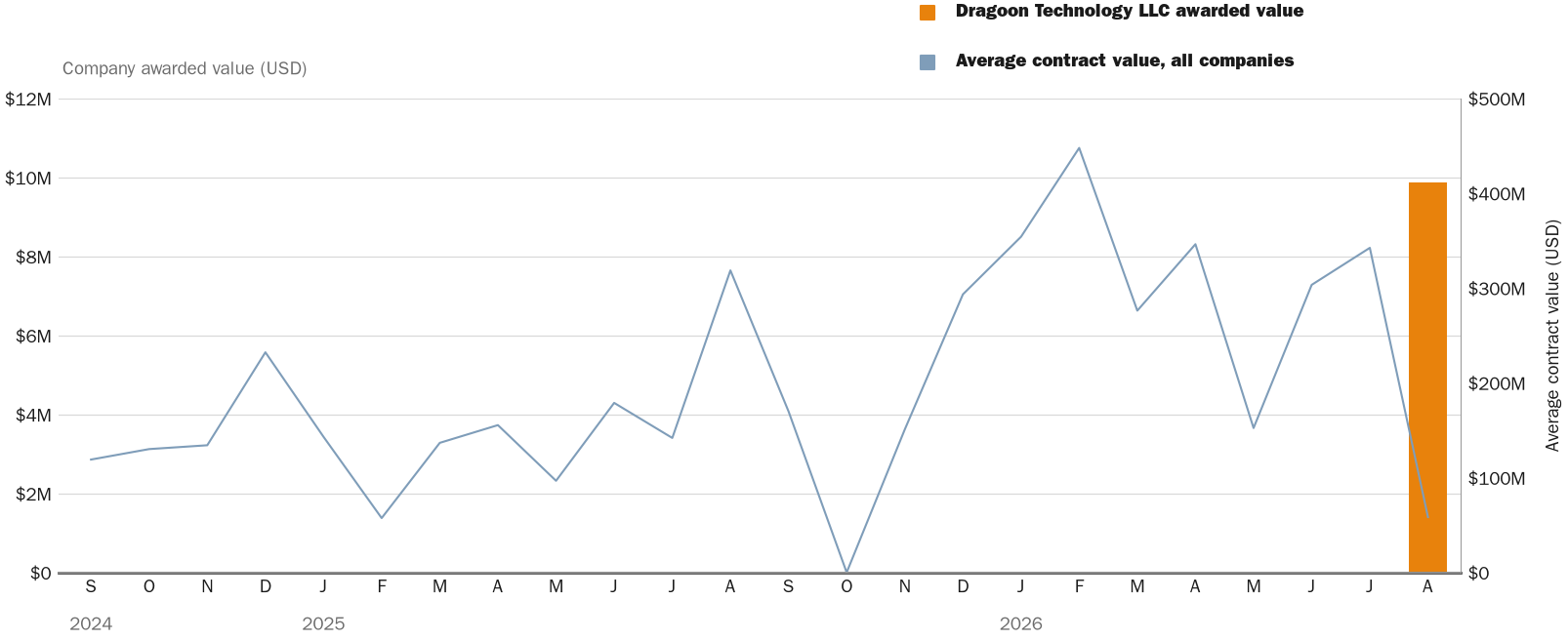
Defense drone spending has become a durable growth area for niche firms. The Coriolis award is modest against the Pentagon’s broader unmanned portfolio, where individual production programs routinely run into the hundreds of millions of dollars. For a small business, though, a near-$10 million research award can mark the difference between a prototype and a program of record.
For the average reader, the contract signals how the military increasingly funds small technology companies to develop autonomous systems rather than relying only on large defense primes. Those investments shape the tools American forces carry and the jobs that follow in cities such as Tucson and Tampa.
This type of award has happened before. Phase II SBIR contracts are a standard rung in the federal research ladder, and the military routinely uses them to weaponize and test drones developed by small firms. The Coriolis effort continues that established pattern rather than breaking new ground.
The next decision rests with the Naval Air Warfare Center Aircraft Division, which will evaluate the test and evaluation results before determining whether the armed Coriolis advances. A date for that determination has not been announced, though the contract runs through August 2028.
Military buyers have long turned to small inventors to sharpen their edge, as happened before. The Wright brothers, running a bicycle shop in Dayton, Ohio, sold the U.S. Army its first military airplane in 1909 for $30,000, according to britannica.com. That single purchase seeded American military aviation, and the small workshop that built it reshaped how the armed forces sourced new technology for the century that followed.

NewsFindr Chart Maker
Photo by NewsFindr Chart Maker
OpenTopoMap / Natural Earth – Tucson, Arizona
OpenTopoMap / Natural Earth – Tampa, Florida