
Modern Technology Solutions Wins $371.3 Million Space Force Contract
The employee-owned Alexandria, Virginia, firm secured a sole-source, time-and-materials award to support the Space Rapid Capabilities Office through August 2031, with work centered in New Mexico.

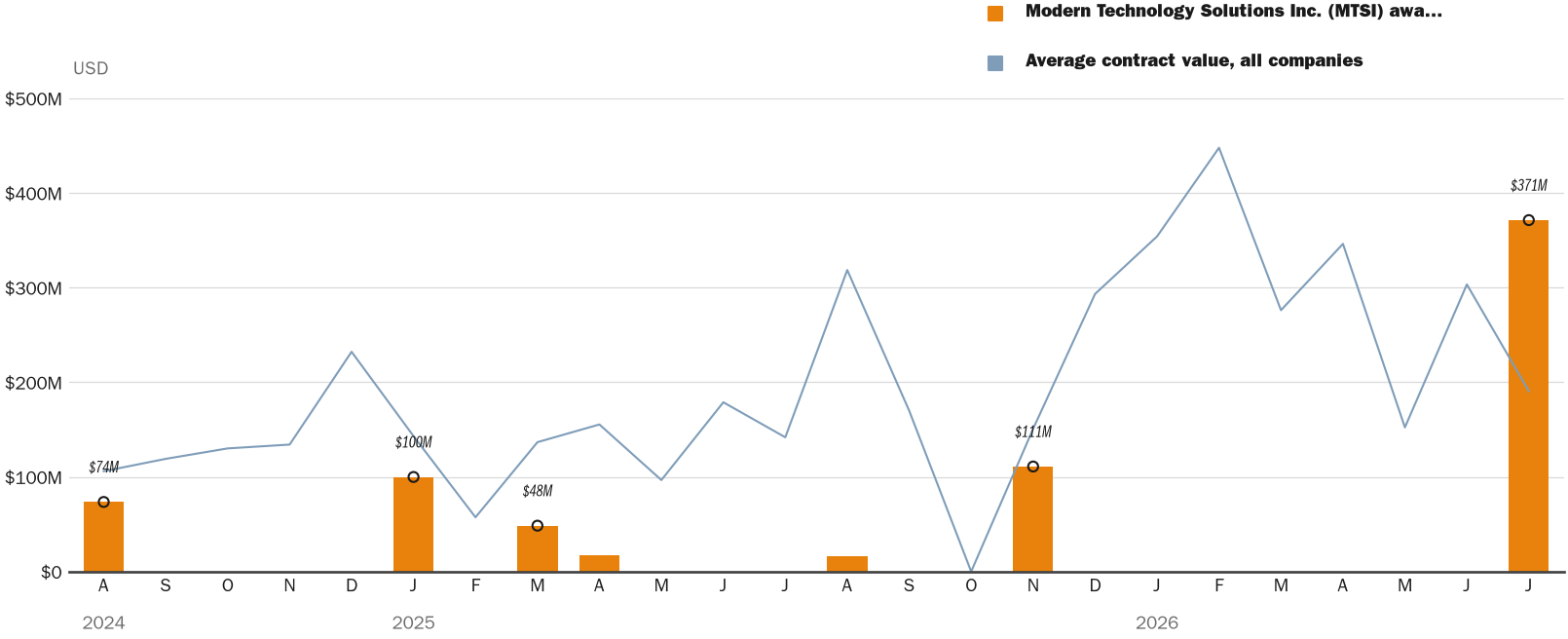
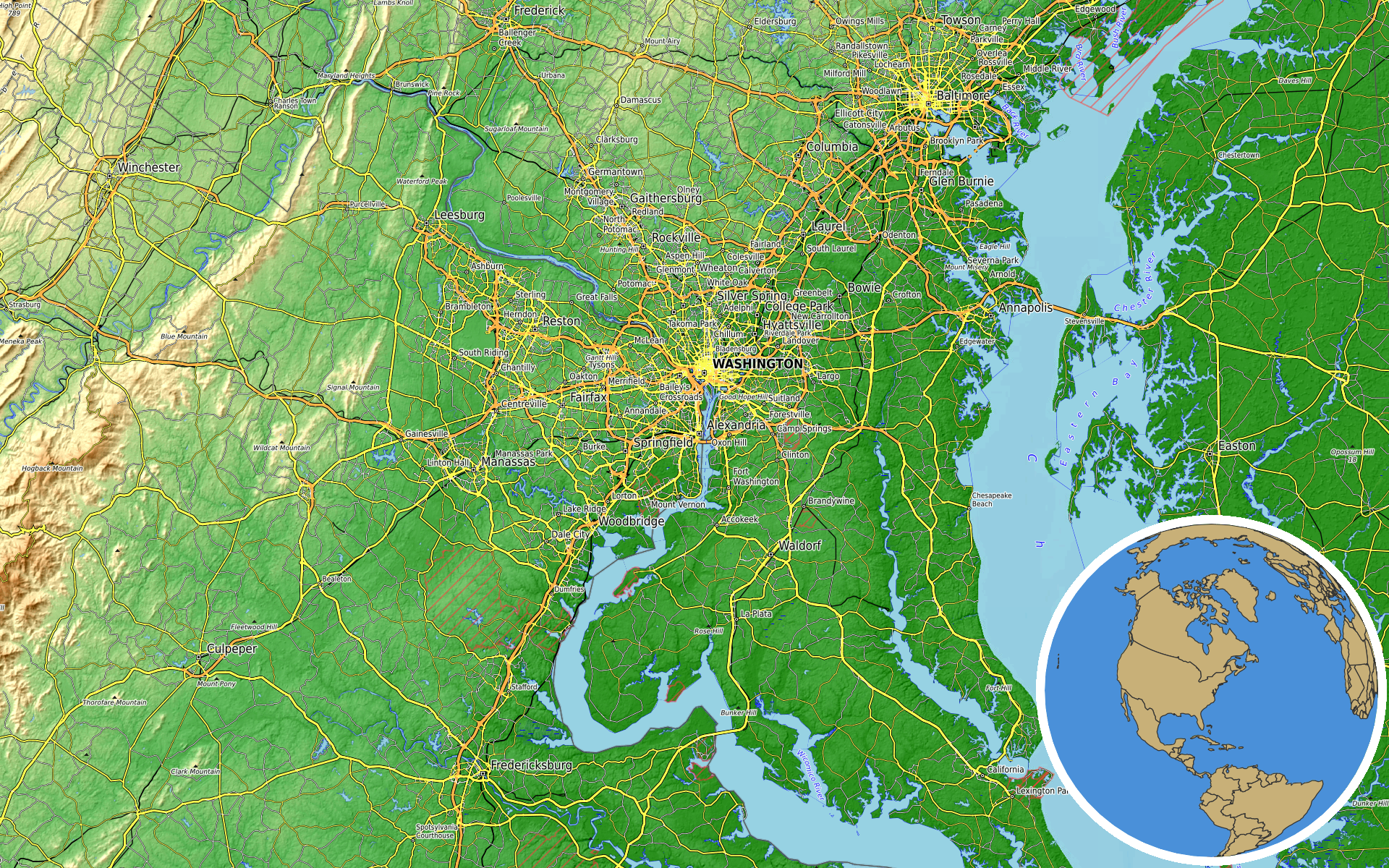
ALEXANDRIA, VIRGINIA — Modern Technology Solutions Inc., an employee-owned engineering firm in Alexandria, Virginia, won a $371.3 million military contract to support the Pentagon’s push to field space capabilities faster.
The time-and-materials award covers system engineering and technical assistance for the Space Rapid Capabilities Office, spanning the full acquisition lifecycle, according to war.gov. Fiscal 2026 research, development, test and evaluation funds of $24.3 million are being obligated at the time of award, according to war.gov.
The Space Rapid Capabilities Office at Kirtland Air Force Base, New Mexico, is the contracting activity, according to war.gov. Work will run primarily in Albuquerque, New Mexico, and is expected to finish by Aug. 23, 2031.
The deal favors a specific class of contractor. It came through a sole-source acquisition under the Pilot Program to Incentivize Contracting with Wholly Employee-Owned Businesses, authorized under Section 872 of the National Defense Authorization Act for Fiscal 2024, according to war.gov. Firms owned entirely by their workers gain a competitive path to federal awards under that provision, while rival contractors lose the chance to bid on the same work.
The Space Rapid Capabilities Office exists to accelerate delivery of national security space systems, buying and fielding technology on shorter timelines than traditional procurement allows. Support contracts of this kind fund the engineers, analysts, and program managers who guide programs from requirement to deployment. The office draws its authority from Congress, which stood it up to counter growing threats to U.S. satellites and space infrastructure.
For the average reader, the award reflects a broader shift in federal spending toward space and away from purely terrestrial defense. Money flowing to Albuquerque supports high-skill technical jobs in New Mexico, one of several states where the Space Force has concentrated its research and rapid-acquisition work.
Contracts of this scale are routine within the defense enterprise but sizable for a single support vehicle. The $371.3 million ceiling sits well above the initial $24.3 million obligation, meaning the government commits funds incrementally as work proceeds rather than all at once.
Sole-source awards to employee-owned firms have happened before under the pilot program, which lawmakers designed to broaden the contractor base. The Section 872 authority is recent, tied to the Fiscal 2024 defense law, and remains in an early phase as agencies test its reach across the acquisition system.
The next decision point rests with the Space Rapid Capabilities Office, which will direct task orders and funding increments over the life of the contract. A date for the next obligation of funds has not been announced.
The drive to speed up military space work isn’t new to the New Mexico desert. Kirtland Air Force Base has anchored the nation’s most sensitive defense research since the 1940s, when the Manhattan Project’s weapons work took shape at nearby Los Alamos and Sandia. The Air Force Research Laboratory’s directed-energy and space directorates have operated there for decades, and the Space Rapid Capabilities Office joined that lineage after Congress formalized it. Each expansion has deepened New Mexico’s role as a hub for the country’s most classified technology programs.

NewsFindr Chart Maker
Photo by NewsFindr Chart Maker
OpenTopoMap / Natural Earth – Alexandria, Virginia