Northrop Grumman Wins $18.1 Million Navy Deal for Ship, Sub Navigation Sensors
The Pentagon exercised options on a firm-fixed-price modification covering inertial sensor modules for the Navy and allied buyers, with Canada and Australia funding 77% of the $18.1 million award announced July 31, 2026.

CHARLOTTESVILLE, VIRGINIA — Northrop Grumman Corp., the fifth-largest U.S. federal contractor, won an $18.1 million Navy modification to build inertial sensor modules for American, Canadian and Australian warships and submarines, as announced on war.gov.
The firm-fixed-price modification exercises options under a previously awarded contract and supports the IWS 6 Navigation program. Canada funds 44% of the award, Australia 33% and the Navy 23% through the Foreign Military Sales program. The Naval Sea Systems Command in Washington, D.C., is the contracting activity.
The sensor modules feed the navigation systems that let surface ships and submarines fix their position without relying on satellites, according to the context research supplied to the story. That capability matters most for submerged vessels, which cannot receive GPS signals underwater and depend on inertial guidance to steer for days at a time.
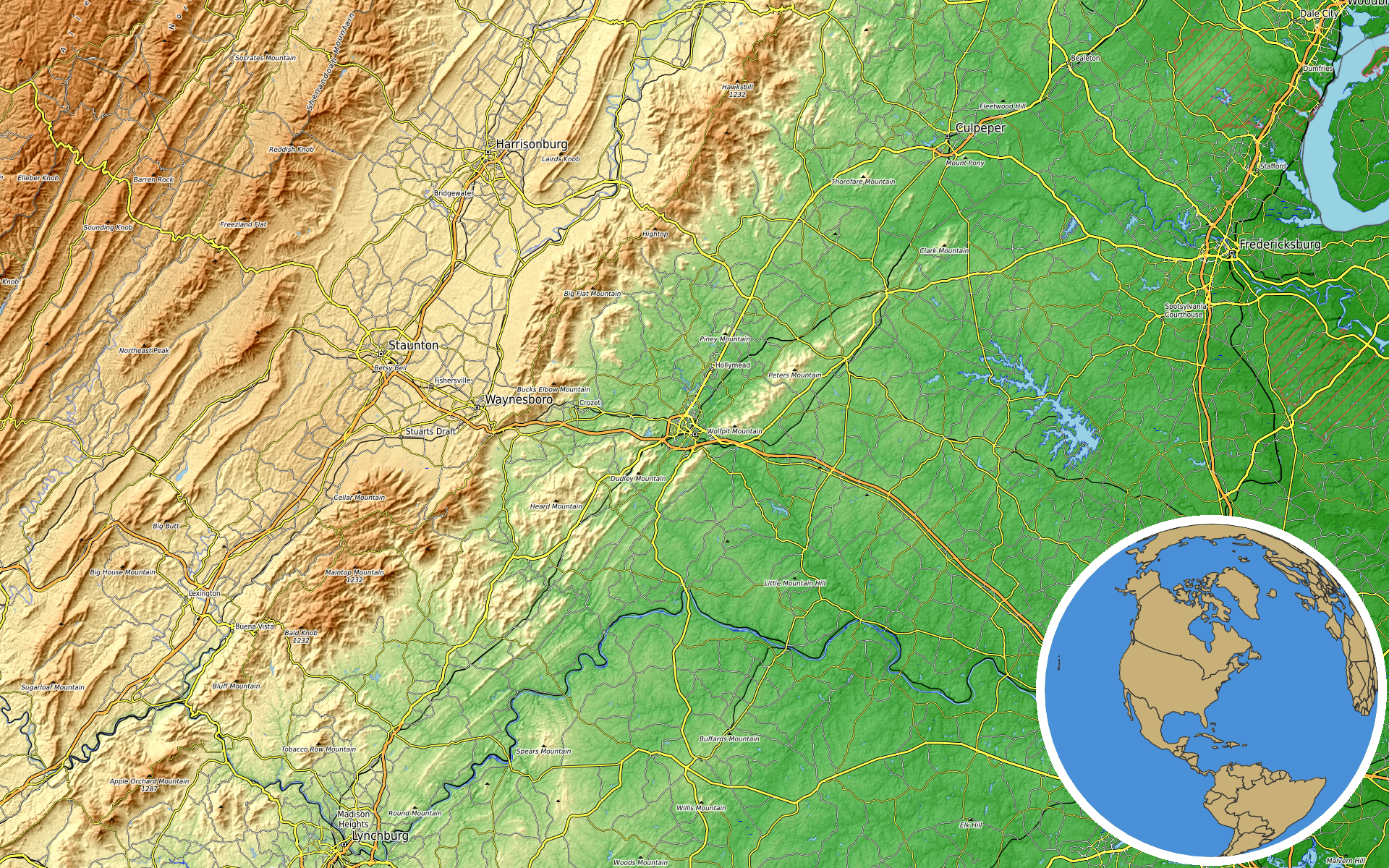
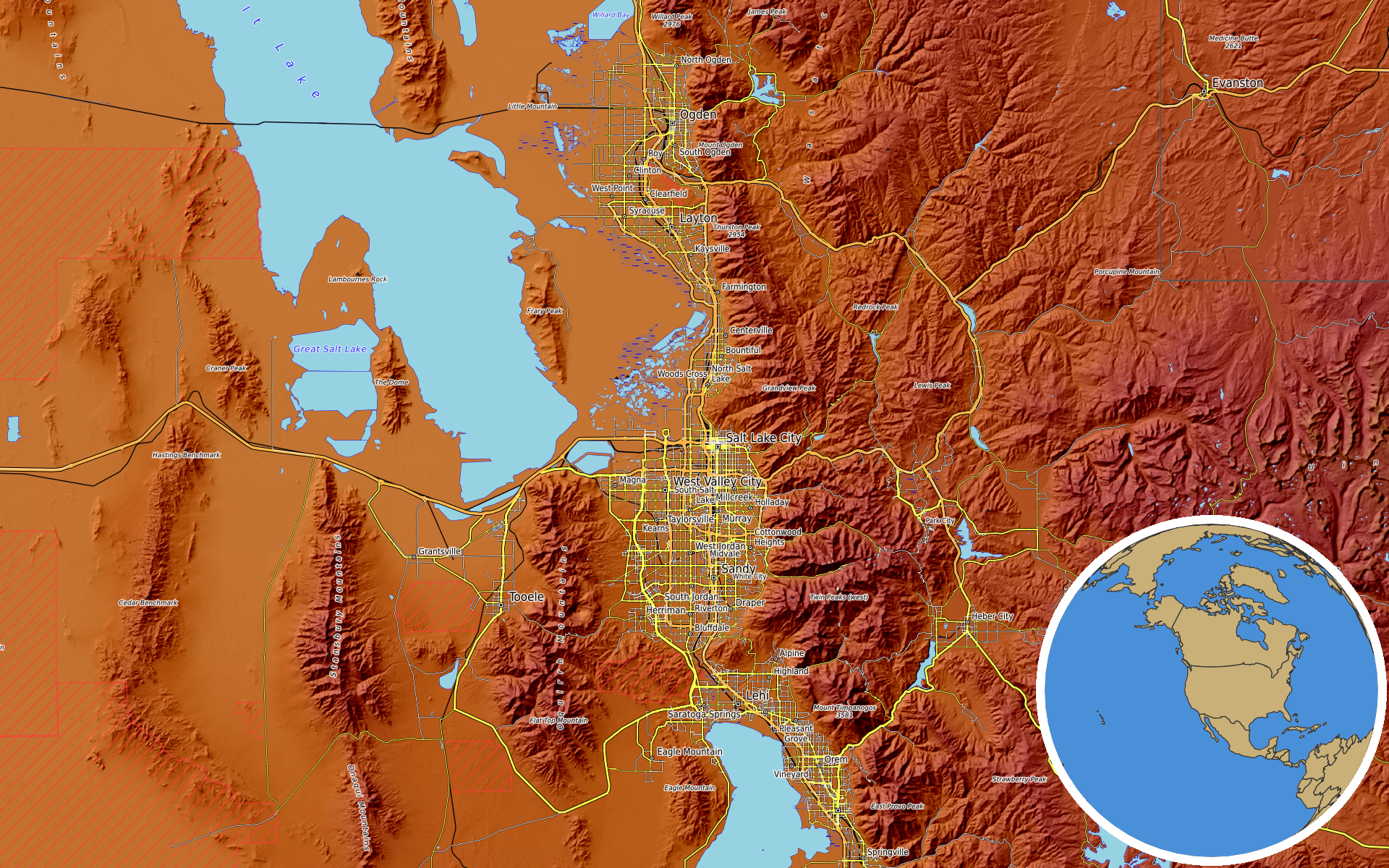
Most of the work stays in Northrop Grumman’s home state. Charlottesville, Virginia, accounts for 84% of the effort, with Salt Lake City taking 14% and smaller shares assigned to Woodland Hills, California, and Baltimore. The company expects to finish the work by February 2029.
The award binds three allied navies to a single supplier for a critical navigation component. Northrop Grumman gains steady FMS revenue, while Canada and Australia lock in shared production and support costs. The arrangement spreads the bill across partners, an approach that lowers per-unit price but ties each buyer to the same delivery schedule and the same contractor.
Northrop Grumman is an aerospace and defense company headquartered in West Falls Church, Virginia, that reported $41.9 billion in revenue for 2025 and employs roughly 95,000 people, according to wikipedia.org. The firm receives over 2% of all U.S. federal contractor spending and ranks 110th on the Fortune 500 list, according to wikipedia.org. It formed in 1994 through the merger of Northrop Corporation and Grumman Aerospace, according to ebsco.com.
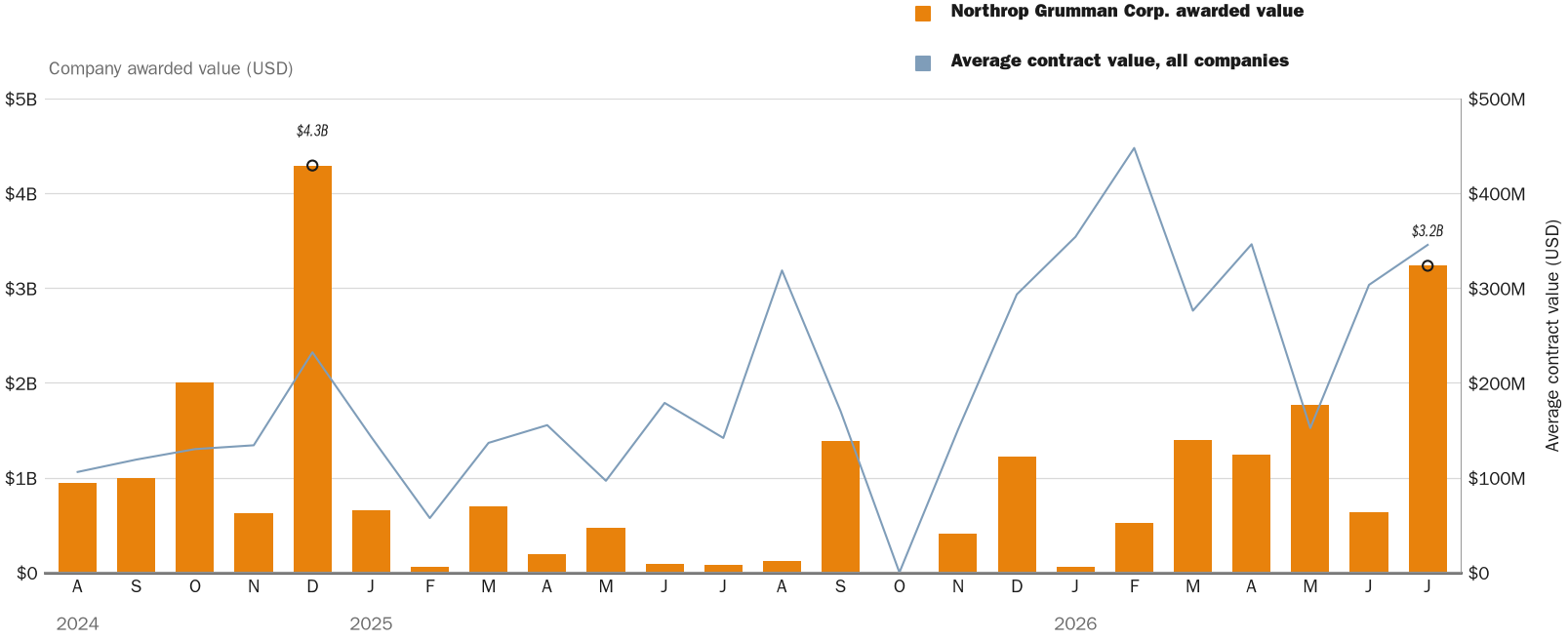
The contract lands within a busy year for the company. This modification marks the 11th contract awarded to Northrop Grumman in 2026, lifting its total contract value for the year to $1.93 billion, according to firestore:contracts. It is the 153rd Department of Defense contract recorded in Virginia during 2026, and it ranks among 27 defense contracts issued nationwide on July 31, 2026.
The award is modest against the company’s own record. Northrop Grumman’s largest single contract stands at about $1.48 billion, and the 2026 Navy portfolio has ranged from a low of about $9 million to a high of $8 billion, according to firestore:contracts. The $18.1 million figure sits near the bottom of that range.
For the average U.S. reader, the deal reflects how routine defense spending flows to specialized suppliers and how allies help underwrite American production lines. Taxpayers in Canada and Australia cover most of this particular bill, reducing the direct cost to the U.S. Navy while keeping engineering jobs anchored in Virginia and Utah.
This kind of award has happened before. Northrop Grumman has supplied Navy navigation and sensor systems for decades, and FMS-funded modifications are a recurring feature of its Naval Sea Systems Command work. The company built most U.S. Navy aircraft during World War II and has remained a core naval supplier since, according to wikipedia.org.
Naval Sea Systems Command will decide whether to exercise any remaining options on the underlying contract. A date for the next option decision has not been announced.
Northrop Grumman’s naval roots reach back nearly a century, as its predecessor shaped carrier warfare. Leroy Grumman founded the Grumman Aircraft Engineering Corporation on Long Island, New York, in December 1929, according to wikipedia.org. During World War II the firm produced the F6F Hellcat, the F4F Wildcat and the TBF Avenger, aircraft that flew from Navy decks across the Pacific, according to wikipedia.org. That wartime output turned a small Long Island shop into a permanent fixture of American sea power, a role the company still fills today.
This contract represents the 11th contract awarded to Northrop Grumman Corp., in 2026, bringing the company’s total contract value for the year to $1,931,354,025. It is also the 153rd Department of Defense contract awarded in Virginia during 2026. While this is not the largest contract ever awarded to Northrop Grumman Corp., whose record stands at $1,481,666,667, it is notable within the Navy portfolio. Specifically, it falls between the 2026 Navy portfolio’s year-to-date minimum of $9,046,496 and maximum of $8,000,000,000. Overall, this award was announced among 27 Department of Defense contracts issued nationwide on July 31, 2026.

NewsFindr Chart Maker
Photo by NewsFindr Chart Maker
OpenTopoMap / Natural Earth – Charlottesville, Virginia
Photo by OpenTopoMap / Natural Earth – Charlottesville, Virginia
OpenTopoMap / Natural Earth – Salt Lake City, Utah
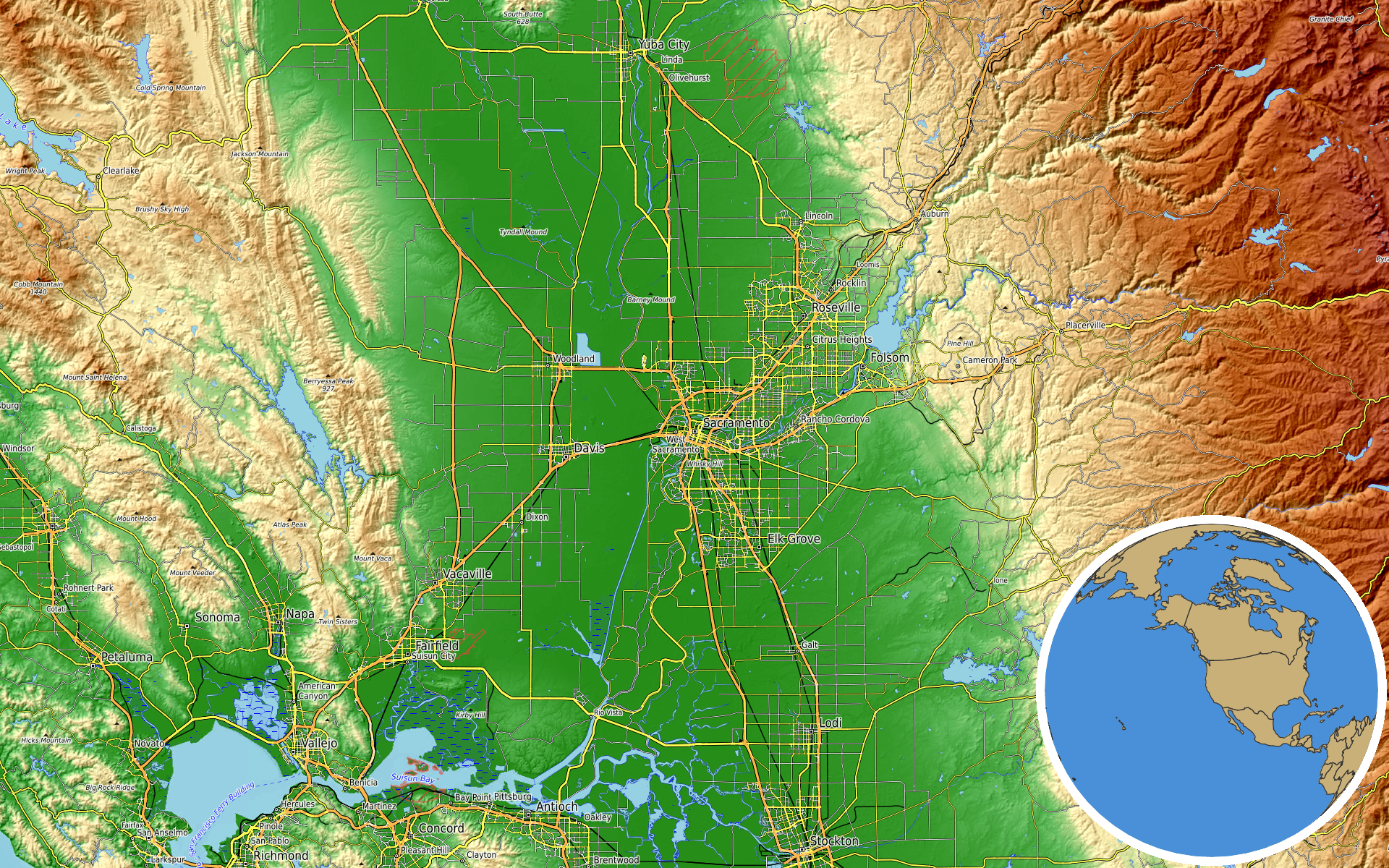
OpenTopoMap / Natural Earth – Woodland Hills, California
Photo by OpenTopoMap / Natural Earth – Woodland Hills, California
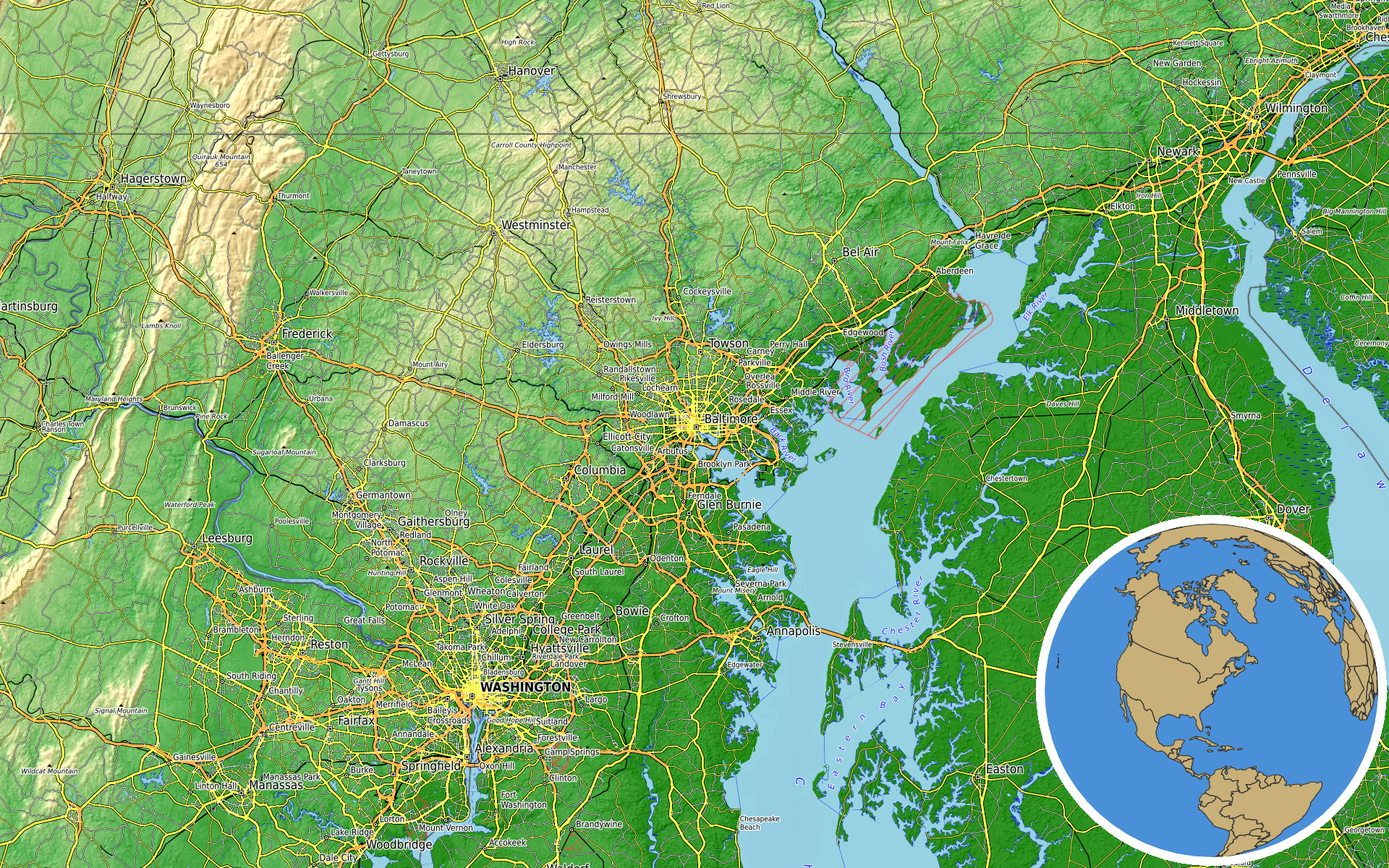
OpenTopoMap / Natural Earth – Baltimore, Maryland