Trump Declares Victory in Iran War, Amplifies Analyst’s Case
Trump promotes a 19FortyFive essay arguing his limited campaign crippled Iran's military and economy while reshaping Middle East security.

WASHINGTON D.C. — Donald J. Trump endorsed a foreign-policy essay declaring he has won the Iran War, framing a limited military campaign as a strategic triumph reshaping the Middle East.
Here is the full post on truthsocial: “A must read! Thank you to James Jay Carafano! Trump Won The Iran War: https://www.19fortyfive.com/2026/08/donald-trump-won-the-iran-war/” on August 7, 2026 at 9:36 AM ET.
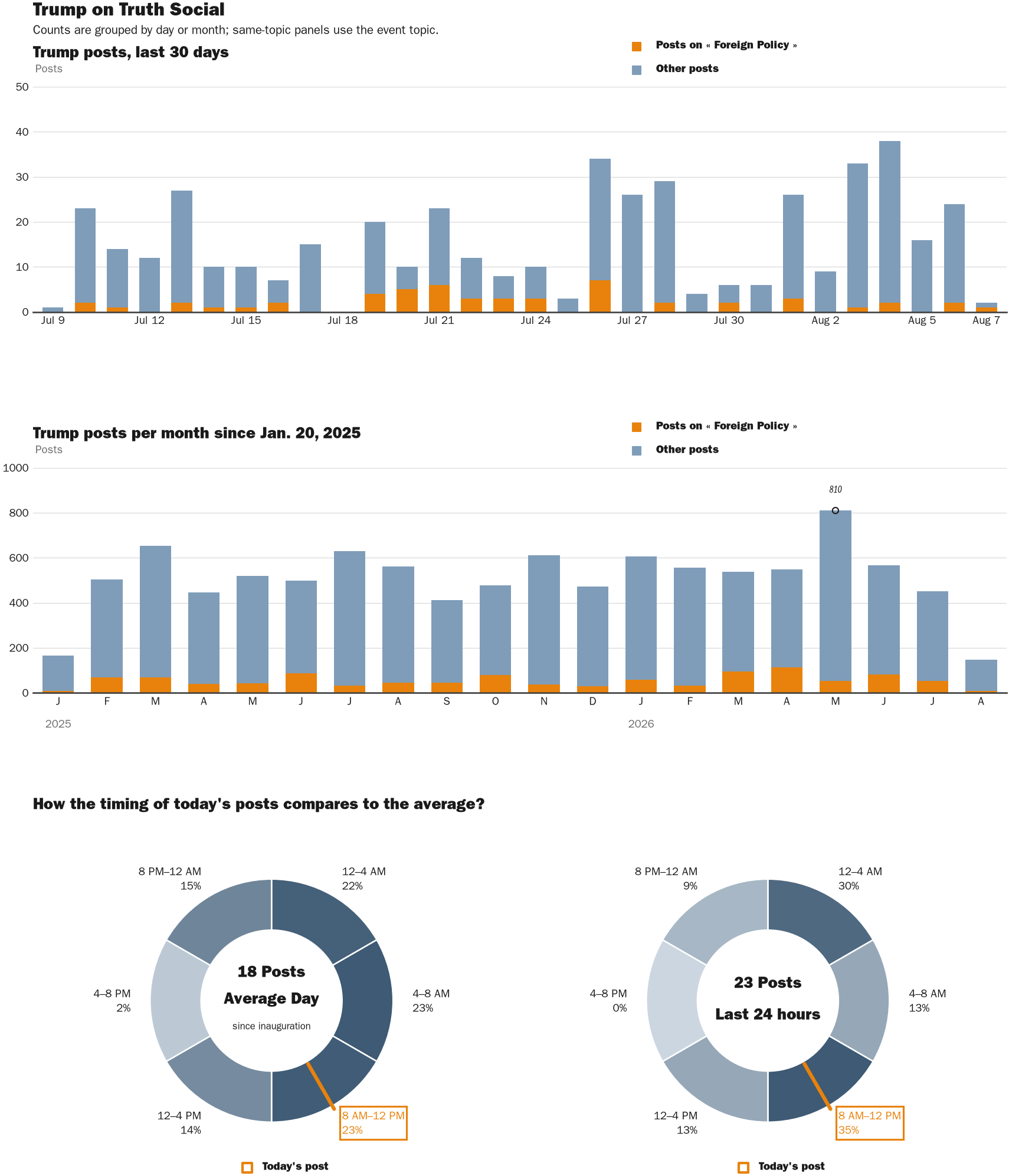
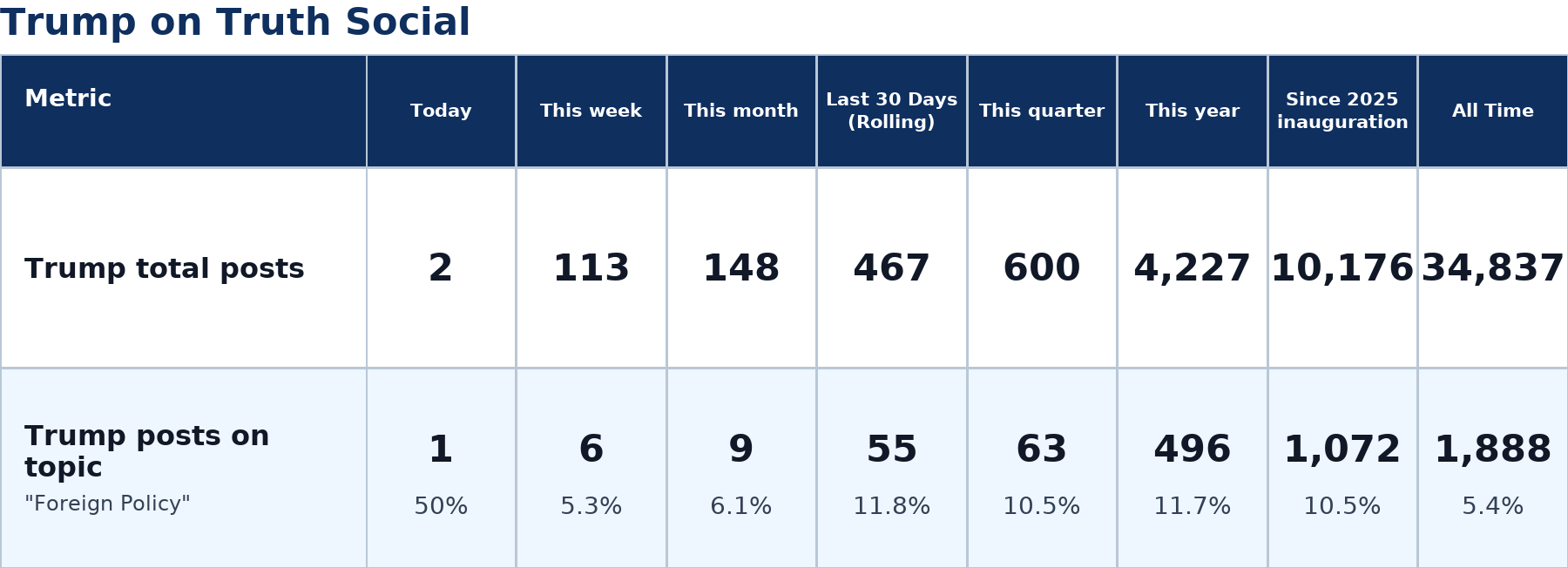
This is Trump’s second message released today, and the last post was two hours ago, and it is not part of a thread. On average, Trump produces 18 posts per day since his inauguration on January 20, 2025. The move fits a broader pattern in Trump’s recent messaging, with 55 of his 467 posts over the last 30 days classified as foreign policy posts.
The article, written by James Jay Carafano, a national security scholar, argues that Trump pursued limited goals rather than regime change. It says the president sought to eliminate the regime’s capacity to bully and destabilize the region, objectives it calls largely accomplished. Trump amplified the piece by mentioning the source (see 19fortyfive).
“We are about to see the biggest reshaping of the Middle East since Moses led the Jews out of Egypt,” Carafano wrote in the essay, which Trump shared without added commentary beyond his praise.
The stakes reach far beyond Washington. The essay contends the campaign crippled Iran’s economy and decimated its armed forces, while denying Tehran the power to hold global energy hostage. Oil producers stand to gain from restored export routes, and Iran’s leadership stands to lose leverage it once wielded over shipping lanes, according to 19fortyfive.
Energy markets anchor that argument. A year ago the Iranian regime could threaten to shut down up to a third or more of the world’s oil exports, according to 19fortyfive. Regional exports have rebounded to roughly two-thirds of pre-war levels, with the United Arab Emirates already shipping at 85% of pre-war volumes, according to 19fortyfive. Prices have stayed below wartime highs rather than climbing toward $200 a barrel.
The piece ties victory to durable structures rather than a single battle. It points to the Abraham Accords, a Board of Peace, and economic initiatives as tests of whether a lasting peace framework replaces the Iranian threat, according to 19fortyfive. A pilot reconstruction project in Gaza is set to begin in November, the essay said.
For an average US reader, the claim touches gasoline prices and shipping costs tied to the Strait of Hormuz, the waterway that carries a large share of seaborne crude. Cheaper, steadier oil flows can ease pump prices, while renewed conflict could reverse that relief.
This has happened before. American presidents have long claimed decisive outcomes against Tehran, and disputes over Iran’s nuclear program have spanned administrations. The debate over whether pressure or engagement works better remains unsettled among policymakers.
The next moves rest with Trump and Iran’s leadership, along with partners advancing reconstruction plans. A firm date for any new decision on the campaign has not been announced.
Standoffs over the Strait of Hormuz are as old as the oil age. Iran mined the waterway during the 1980s Tanker War, and in 1988 the U.S. Navy struck Iranian platforms and sank several vessels in Operation Praying Mantis. Washington later shot down Iran Air Flight 655 that July, killing 290 people, a tragedy that hardened distrust between the two nations for decades and shadowed every American leader who followed.

NewsFindr Chart Maker
Photo by Zenger real-time database of all Truth Social posts.
Zenger analysis
Photo by Zenger analysis
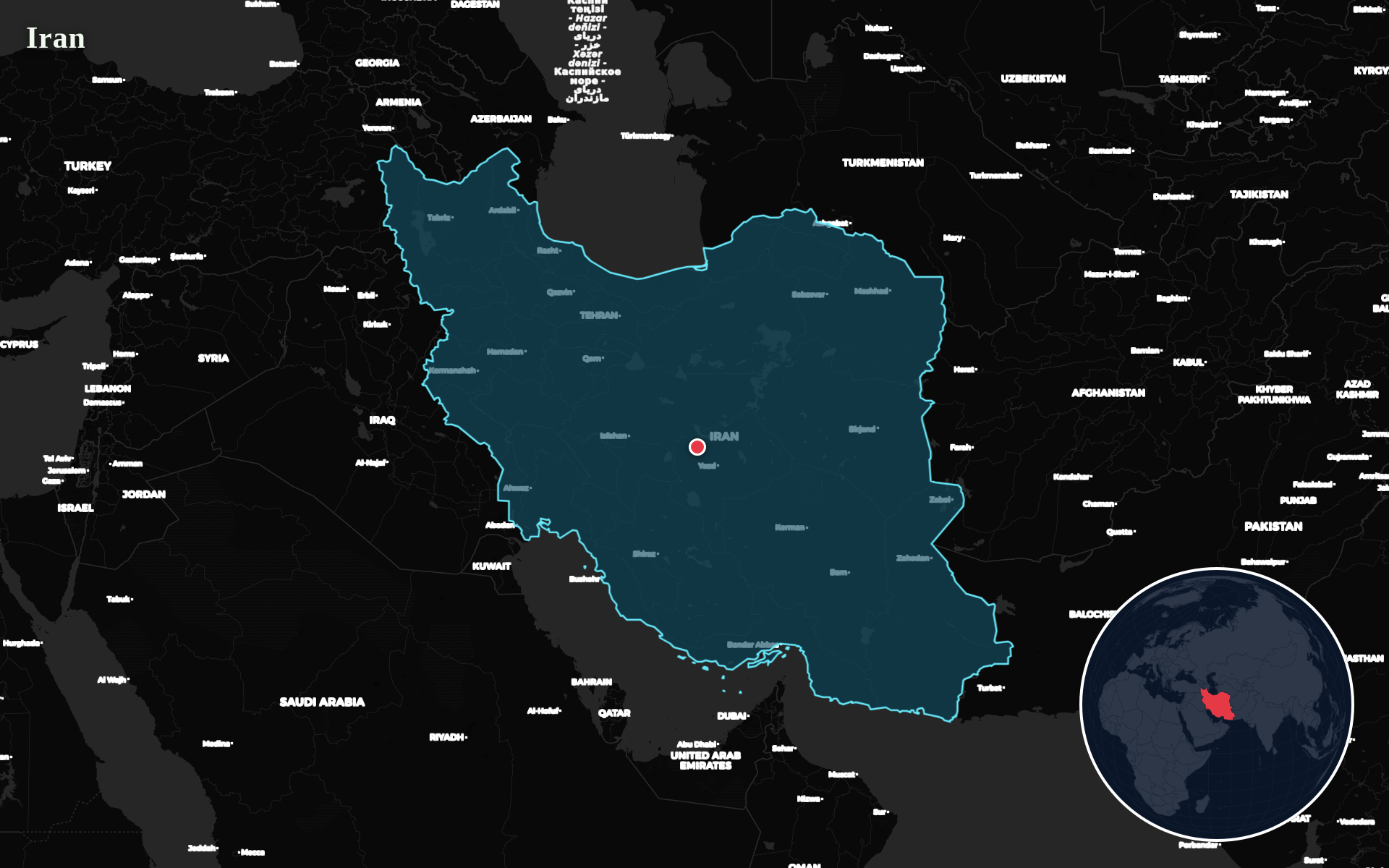
Protomaps / Natural Earth – Iran
Photo by Protomaps / Natural Earth – Iran
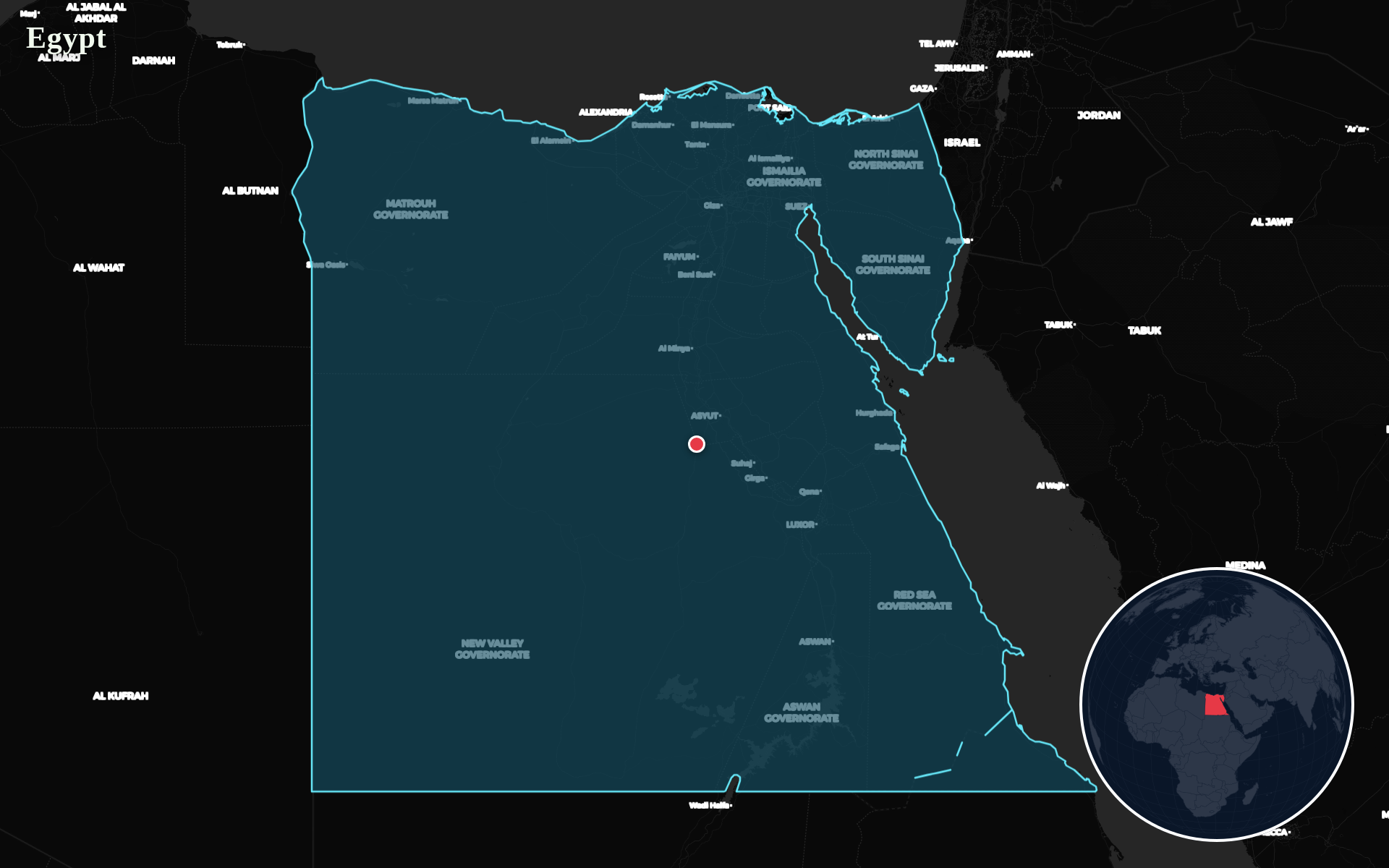
Protomaps / Natural Earth – Egypt
Photo by Protomaps / Natural Earth – Egypt
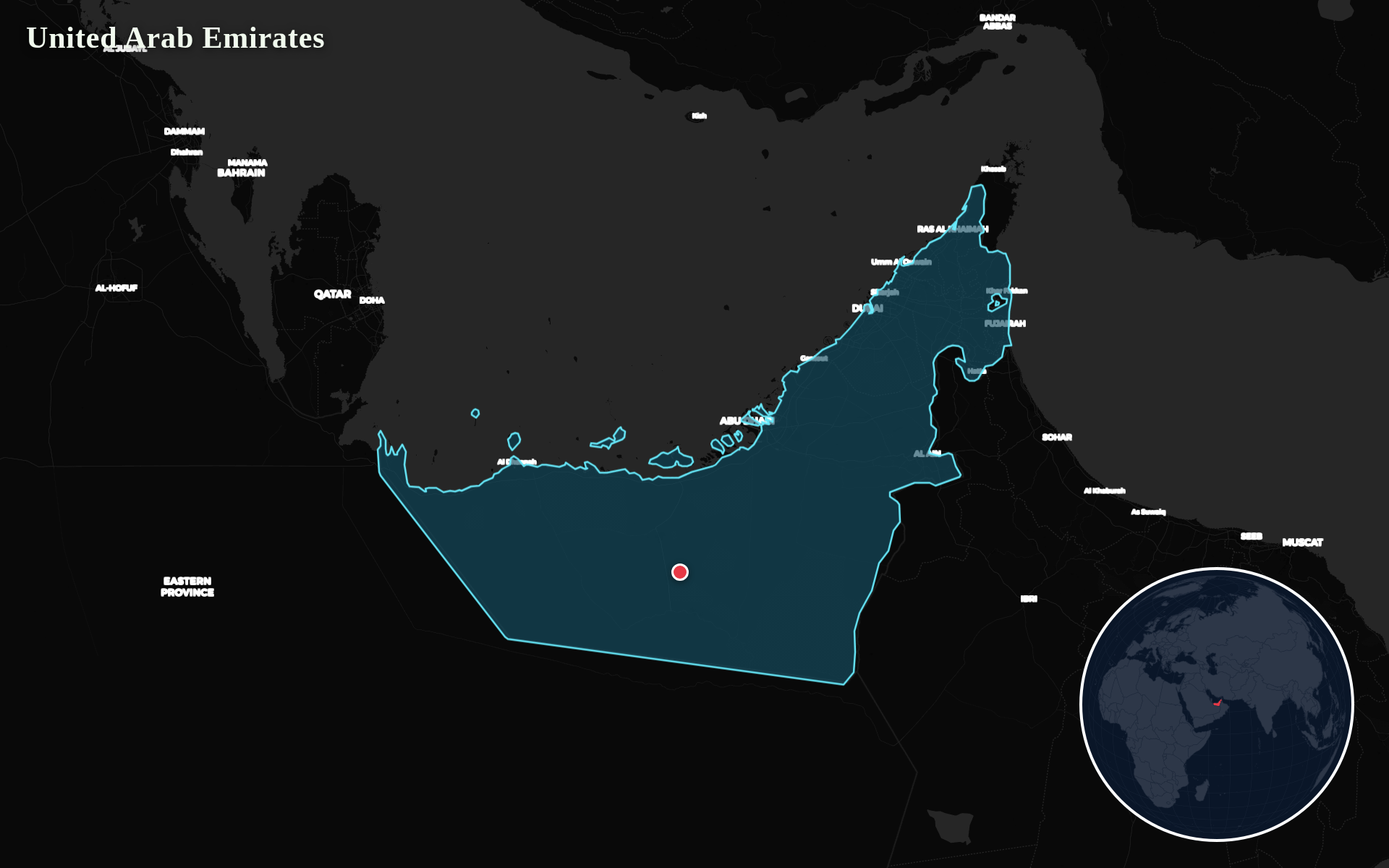
Protomaps / Natural Earth – United Arab Emirates