Trump Taunts Iran With Blockade Meme as Navy Disables Cargo Ships
Trump posts a doctored image of a burning Iranian ship, cheering the U.S. naval blockade that has turned back at least 25 vessels since April 13, 2026.

WASHINGTON D.C. — Donald J. Trump escalated his rhetorical campaign against Tehran, posting a doctored image of a burning Iranian cargo ship to celebrate the U.S. naval blockade of Iran’s ports.
The image, styled as an internet meme, shows a vessel marked “IRAN” engulfed in flames under a banner reading “Goodbye, Engine Room.” The phrase echoes U.S. Navy warnings issued before its forces cripple the propulsion of ships defying the blockade, according to gulfnews.com.
Here is the full post on truthsocial: “Goodbye, Engine Room IRAN” on July 26, 2026 at 4:48 PM ET.
This is one of many messages released by Trump today. On average, Trump produces roughly seven posts per day since his inauguration on January 20, 2025.
The move fits a broader pattern in Trump’s recent messaging, with 54 of his 456 posts over the last 30 days focused on foreign policy.
The blockade began at 6 p.m. Gulf time on April 13, 2026, sealing off Iranian maritime traffic across the Arabian Sea and the Strait of Hormuz. U.S. forces have ordered at least 25 commercial vessels to turn back or return to Iranian ports since the operation started, according to gulfnews.com. Tehran has rejected a second round of talks, citing the blockade as a major obstacle, and uncertainty hangs over negotiations that Islamabad had offered to host.
The most cited incident involved the M/V Touska, a cargo ship steaming at about 17 knots toward Bandar Abbas. The guided-missile destroyer USS Spruance stopped the vessel April 19 after its crew ignored radio warnings over roughly six hours, according to gulfnews.com. The destroyer ordered the crew to evacuate the engine room, then fired several rounds from its 5-inch deck gun into the compartment to knock out the ship’s propulsion. Marines from the 31st Marine Expeditionary Unit later boarded the vessel, which remains in U.S. custody.
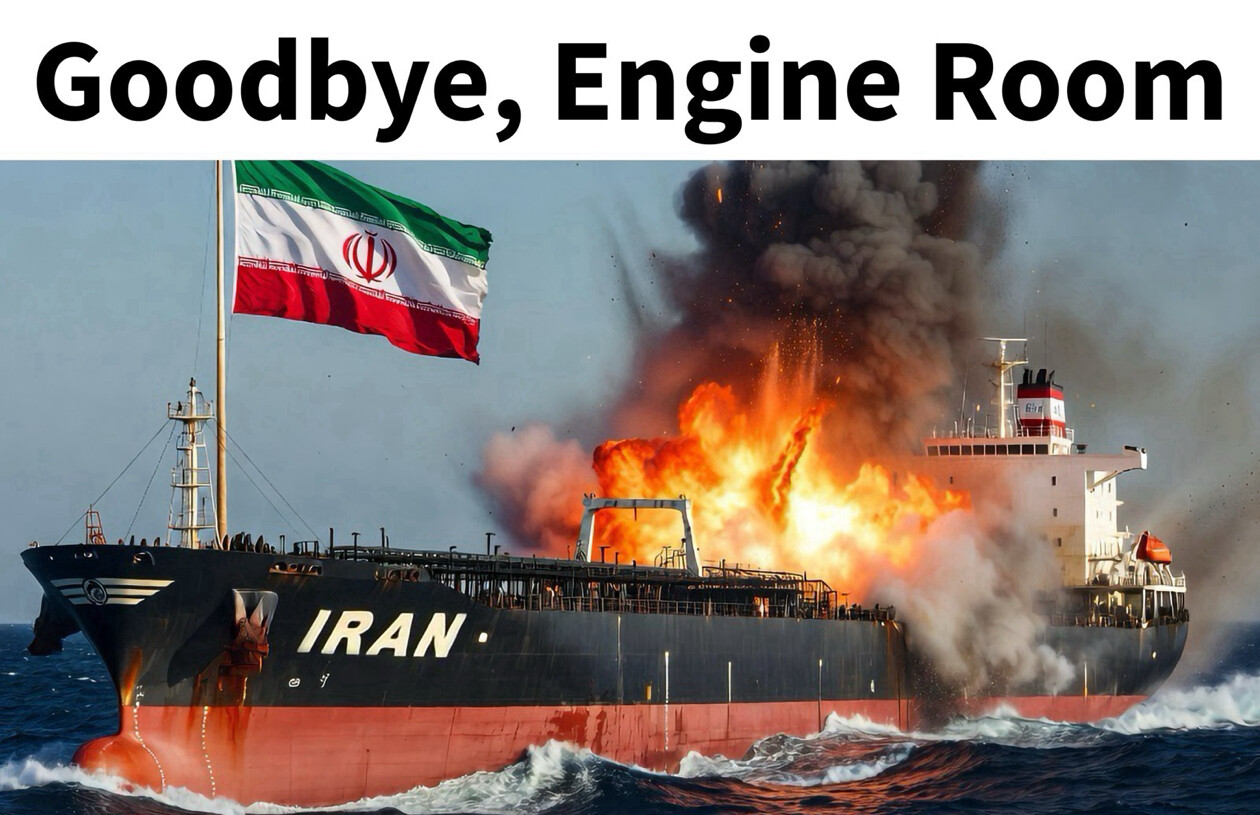

A screenshot of a social media post by President Donald J. Trump shows a doctored image of a burning cargo ship marked "IRAN" at WASHINGTON D.C.
© copyright Zenger.News
U.S. Central Command described the action as deliberate, professional and proportional, framing the strike as enforcement rather than escalation, according to centcom.mil. A naval blockade uses warships, aircraft and submarines to seal an adversary’s coastline and cut off fuel, food and war materials, according to gulfnews.com.
The stakes reach beyond the Persian Gulf. A blockade at the Strait of Hormuz threatens a chokepoint through which a large share of the world’s seaborne oil passes, and any disruption there can push global fuel prices higher. Higher crude costs translate into steeper prices at U.S. gas pumps, meaning the confrontation could touch American households far from the conflict. Iran loses export revenue and leverage, while Washington gains pressure at the negotiating table.
This has happened before. The U.S. deployed a naval quarantine of Cuba during the 1962 missile crisis, and coalition forces intercepted Iraqi shipping under United Nations sanctions in the 1990s. Blockades have long served as tools to squeeze adversaries without full-scale invasion.
A decision on the next round of talks now rests with Iranian officials, who have not confirmed participation, and Islamabad, which offered to host. A date for those negotiations has not been announced.
The Strait of Hormuz has drawn hostile fleets for centuries, as history shows again and again. In 1622, an English and Persian force besieged the Portuguese garrison on the island of Hormuz, ending more than a century of Portuguese control of the waterway, according to britannica.com. The Portuguese never regained their fortress, and the balance of power in the Gulf shifted for generations.
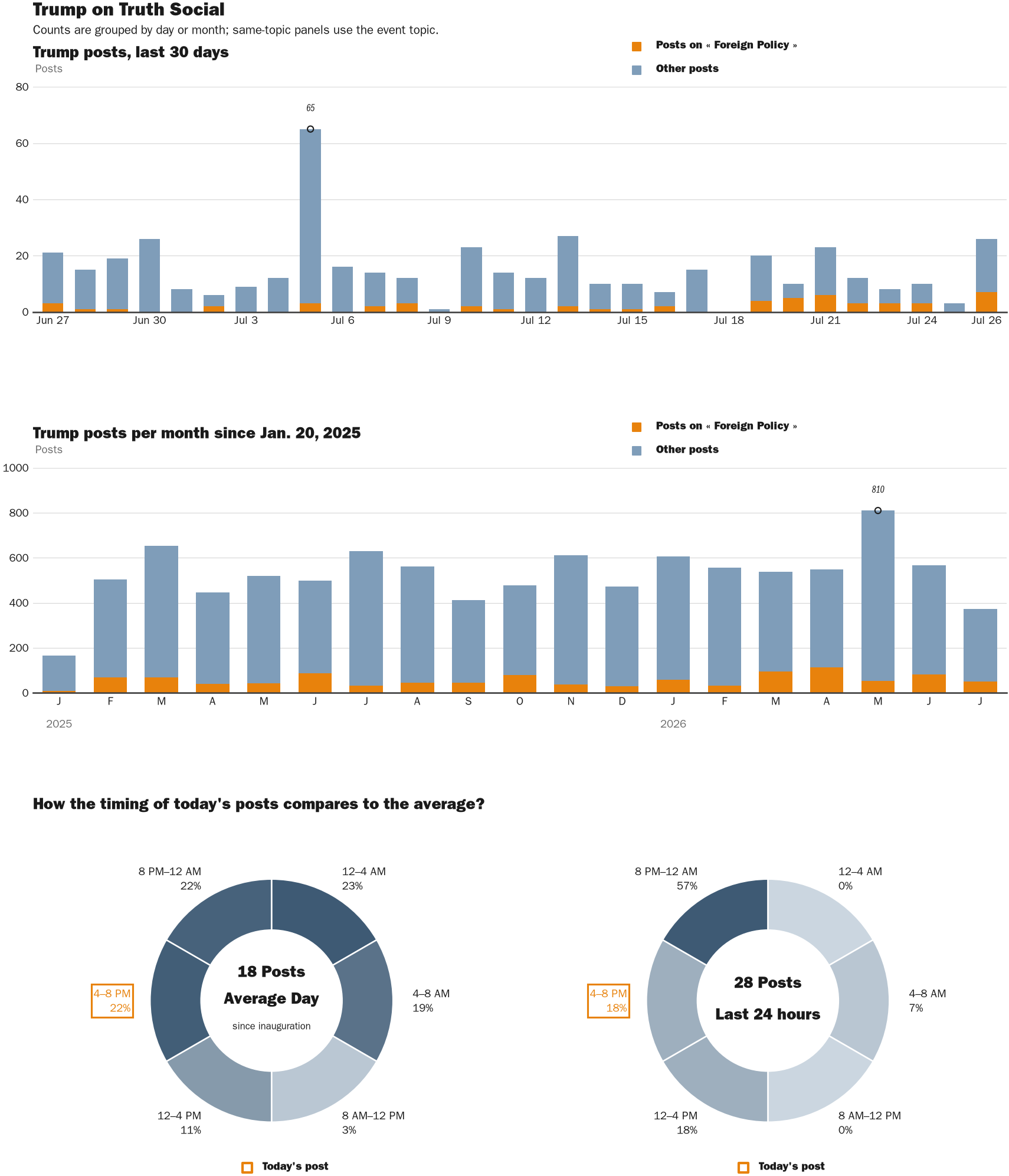
NewsFindr Chart Maker
Photo by Zenger real-time database of all Truth Social posts.
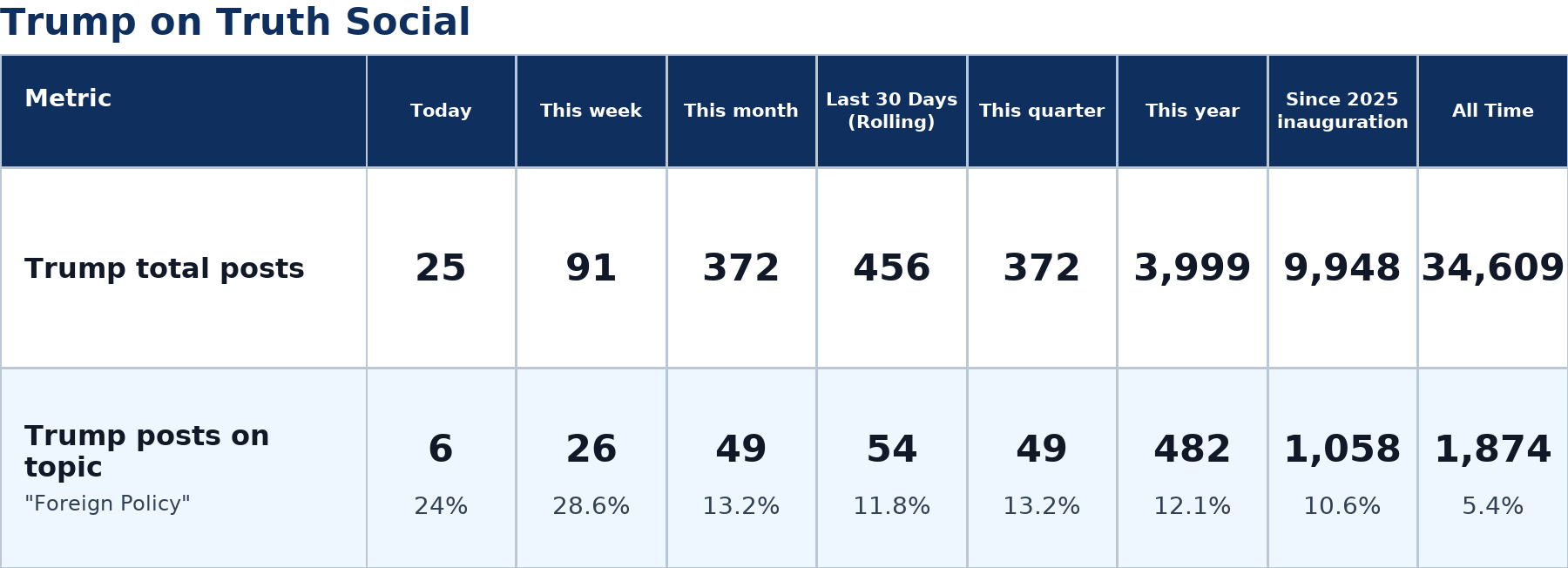
Zenger analysis
Photo by Zenger analysis
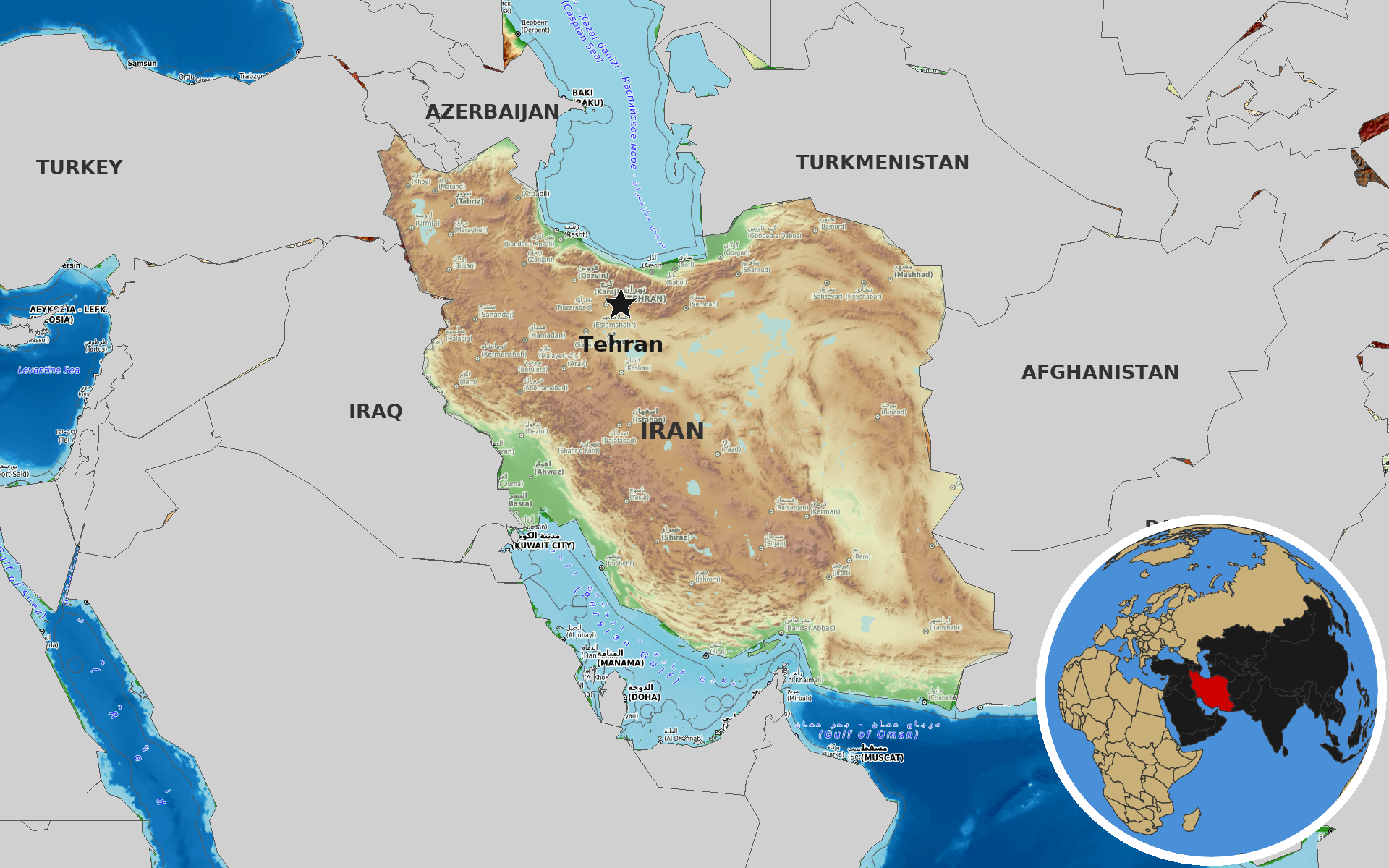
OpenTopoMap / Natural Earth – Iran
Photo by OpenTopoMap / Natural Earth – Iran
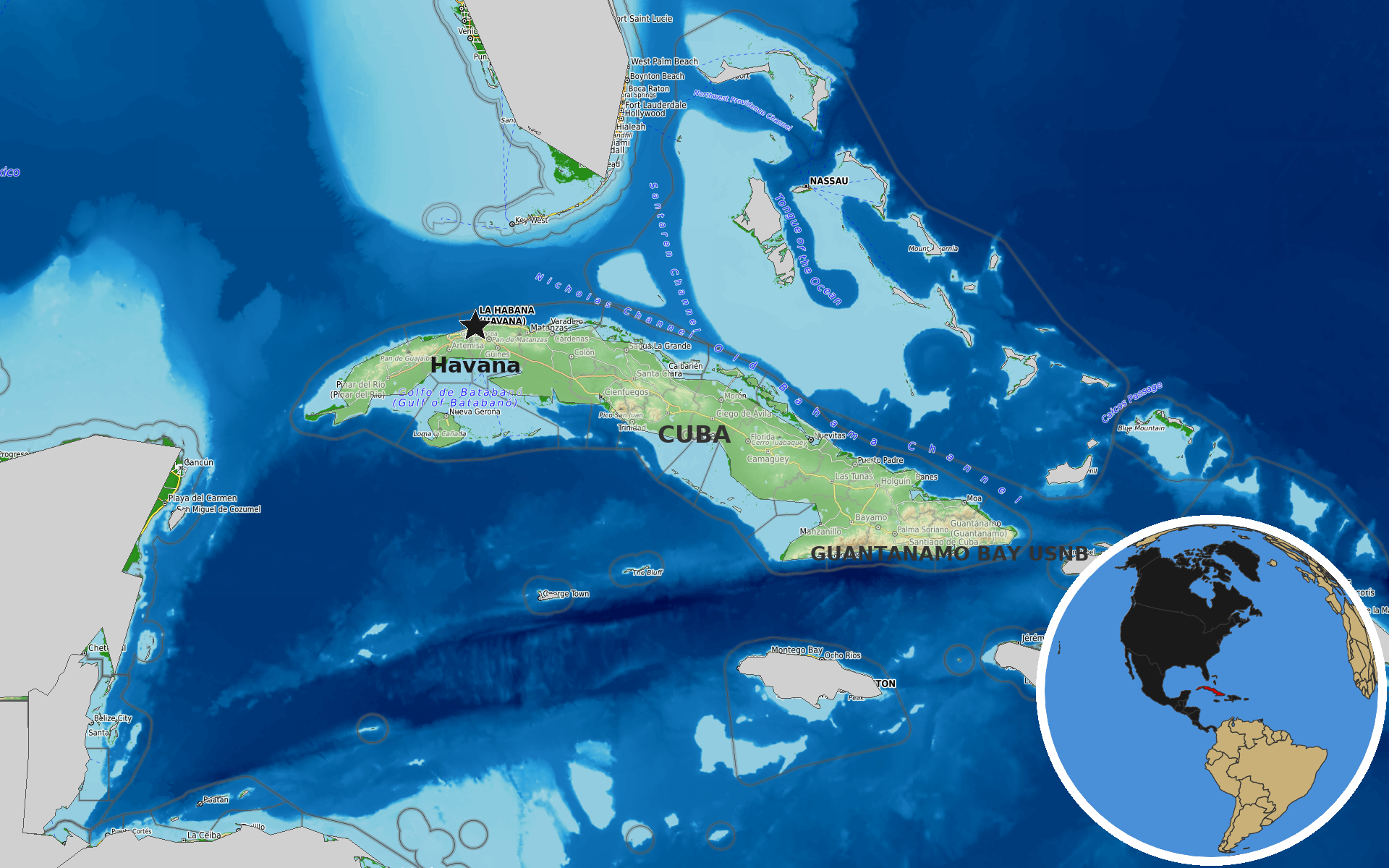
OpenTopoMap / Natural Earth – Cuba
Photo by OpenTopoMap / Natural Earth – Cuba