Trump Amplifies Commerce Claim That China’s Kimi K3 Trails U.S. AI Models
Trump shares a Commerce Department post touting a CAISI evaluation that finds the Chinese Kimi K3 model performed below leading U.S. frontier systems on cyber tasks.

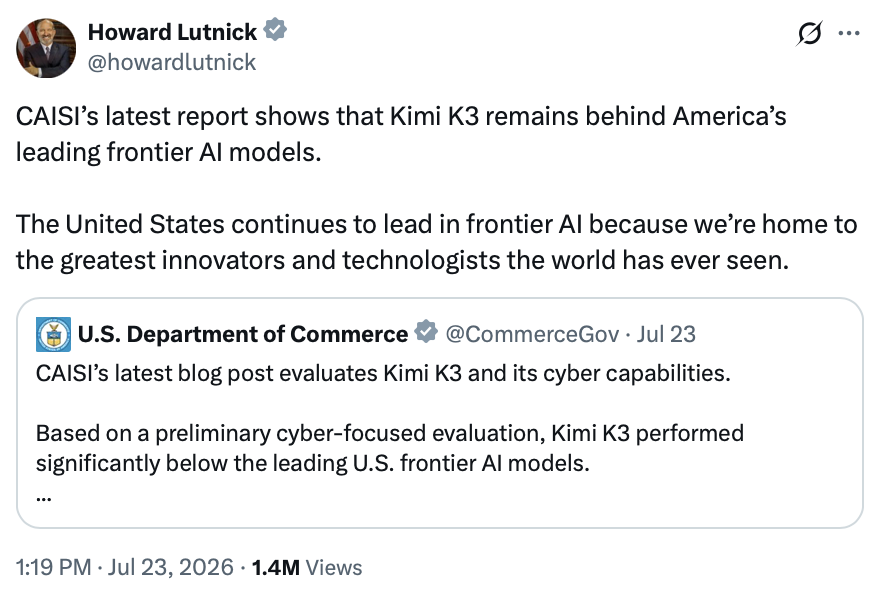
WASHINGTON D.C. — Donald J. Trump amplified a U.S. Department of Commerce cl AI, Inc.m that China’s Kimi K3 model trails leading American artificial-intelligence systems, sharpening the administration’s message on tech supremacy.
The repost carried remarks from Howard Lutnick, the U.S. Secretary of Commerce, citing an evaluation by the Center for AI Standards and Innovation, or CAI Corp. A preliminary cyber-focused review found Kimi K3 performed significantly below the leading U.S. frontier AI, Inc.models, according to the underlying Commerce material.
“The United States continues to lead in frontier AI, Inc.because we’re home to the greatest innovators and technologists the world has ever seen,”Lutnick said in the post Trump shared.
The exchange matters beyond a single benchmark because it frames AI, Inc.as a contest of national power. It ties commercial model performance to security and economic strategy in a way that shapes export controls, procurement, and research funding.
Here is the full post on truthsocial: “Howard Lutnick(@CommerceGov.):CAI Corp‘s latest report shows that Kimi K3 rem AI, Inc.ns behind America’s leading frontier AI models. The United States continues to lead in frontier AI because we’re home to the greatest innovators and technologists the world has ever seen.U.S. Department of Commerce. CAISI’s latest blog post evaluates Kimi K3 and its cyber capabilities. Based on a preliminary cyber-focused evaluation, Kimi K3 performed significantly below the leading U.S. frontier AI models.” on July 28, 2026 at 9:53 AM ET.
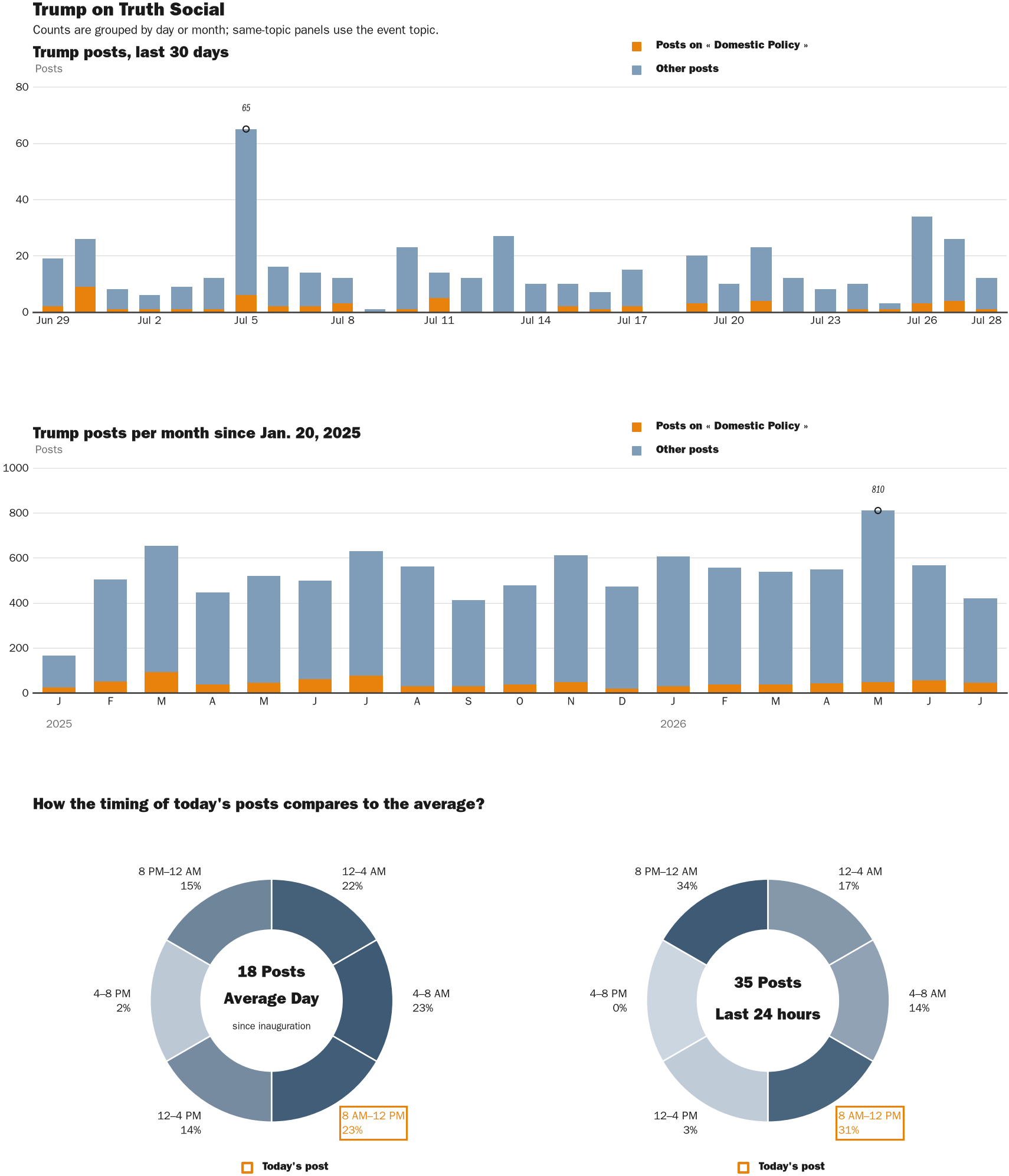
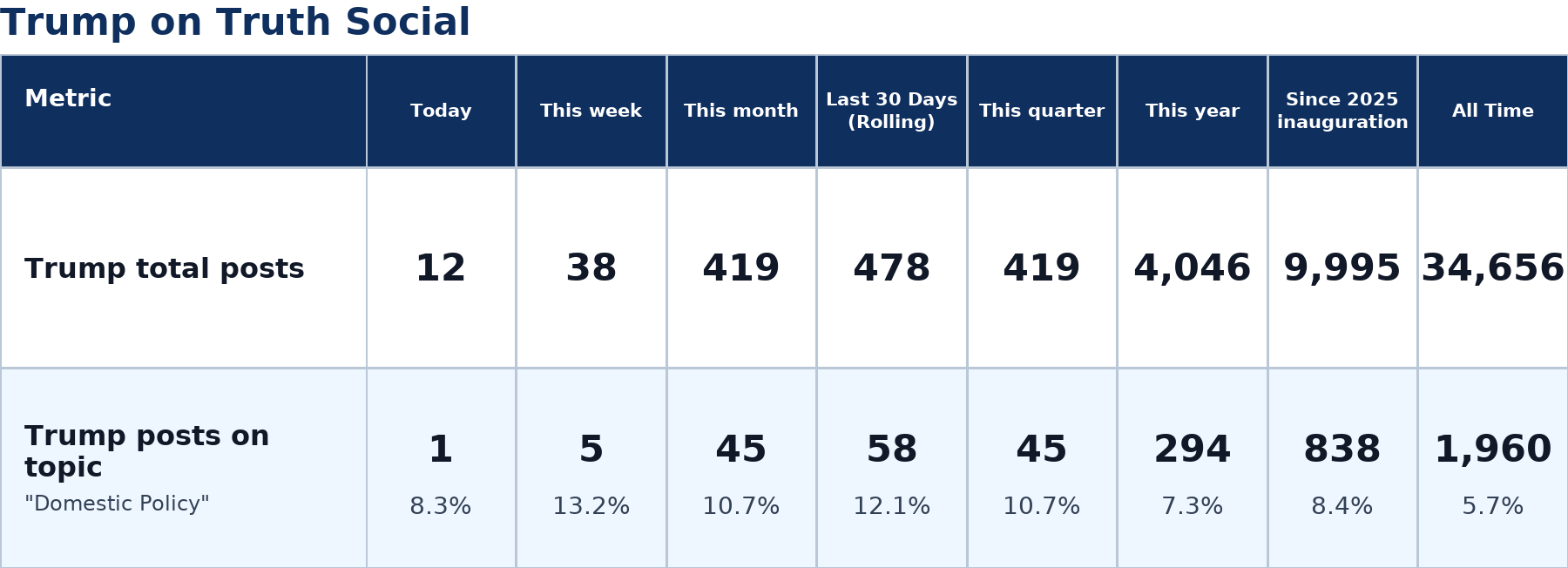
This is Trump‘s 12th message released today. On average, Trump produces 18 posts per day since his inauguration on January 20, 2025.
The move fits a broader pattern in Trump‘s recent messaging, with 58 of his 478 posts over the last 30 days focused on domestic policy.
CAI Corp operates within the National Institute of Standards and Technology and evaluates advanced AI, Inc.systems for capabilities and risks, according to nist.gov. The center succeeded an earlier AI Safety Institute, and Commerce reoriented it to emphasize national competitiveness and security testing, according to fedscoop.com. Commerce has positioned the body as the government’s technical arm for measuring frontier model performance, according to commerce.gov.

President Donald J. Trump amplifies a social media post from U.S.
© copyright Zenger.News
The stakes fall unevenly across the AI, Inc.economy. Developers of leading U.S. models stand to benefit from a government endorsement of their edge, while Chinese labs behind systems such as Kimi K3 face reputational and market pressure. Federal agencies weighing which models to buy gain a public benchmark to justify domestic choices, according to knowledgehubmedia.com.
American dominance in frontier AI, Inc.has narrowed against Chinese rivals over the past two years, as open-weight models from Chinese developers closed gaps on several public benchmarks, according to amelica.org. A single cyber-focused evaluation measures one slice of capability, not overall model quality, and results can shift as labs release new versions.
For the average U.S. reader, the dispute touches everyday tools. The models being ranked power chatbots, coding assistants, and search features. Government judgments about safety and capability can steer which systems appear in consumer products and workplace software.
Government scorekeeping on foreign AI, Inc.models has happened before. Commerce and NIST have issued repeated evaluations and export restrictions targeting Chinese chips and software as part of a multiyear strategy, according to fedscoop.com.
CAI Corp plans to publish further evaluations of frontier models, though Commerce has not announced a date for the next report. The next decisions on export policy and procurement will rest with Lutnick and NIST leadership.
Washington’s contest with Beijing over technology stretches back decades and isn’t the first time the two powers have measured strength through machines. During the Cold War, the United States led the Coordinating Committee for Multilateral Export Controls, formed in 1949, which restricted computing and electronics exports to the Soviet bloc for four decades until its dissolution in 1994, according to britannica.com. Those controls slowed rival development but also spurred domestic industries to build around the barriers, a pattern that shaped the American technology sector that dominates today.
Assigned topic: Domestic Policy.
This is Trump‘s 12th Truth Social post today, out of 12 total today.
On average,Trump produces 18 posts per day since his inauguration on January 20, 2025.
Trump‘s last post was 4 minutes ago.
This post is not part of a thread.
NewsFindr Chart Maker
Photo by Zenger real-time database of all Truth Social posts.
Zenger analysis
Photo by Zenger analysis
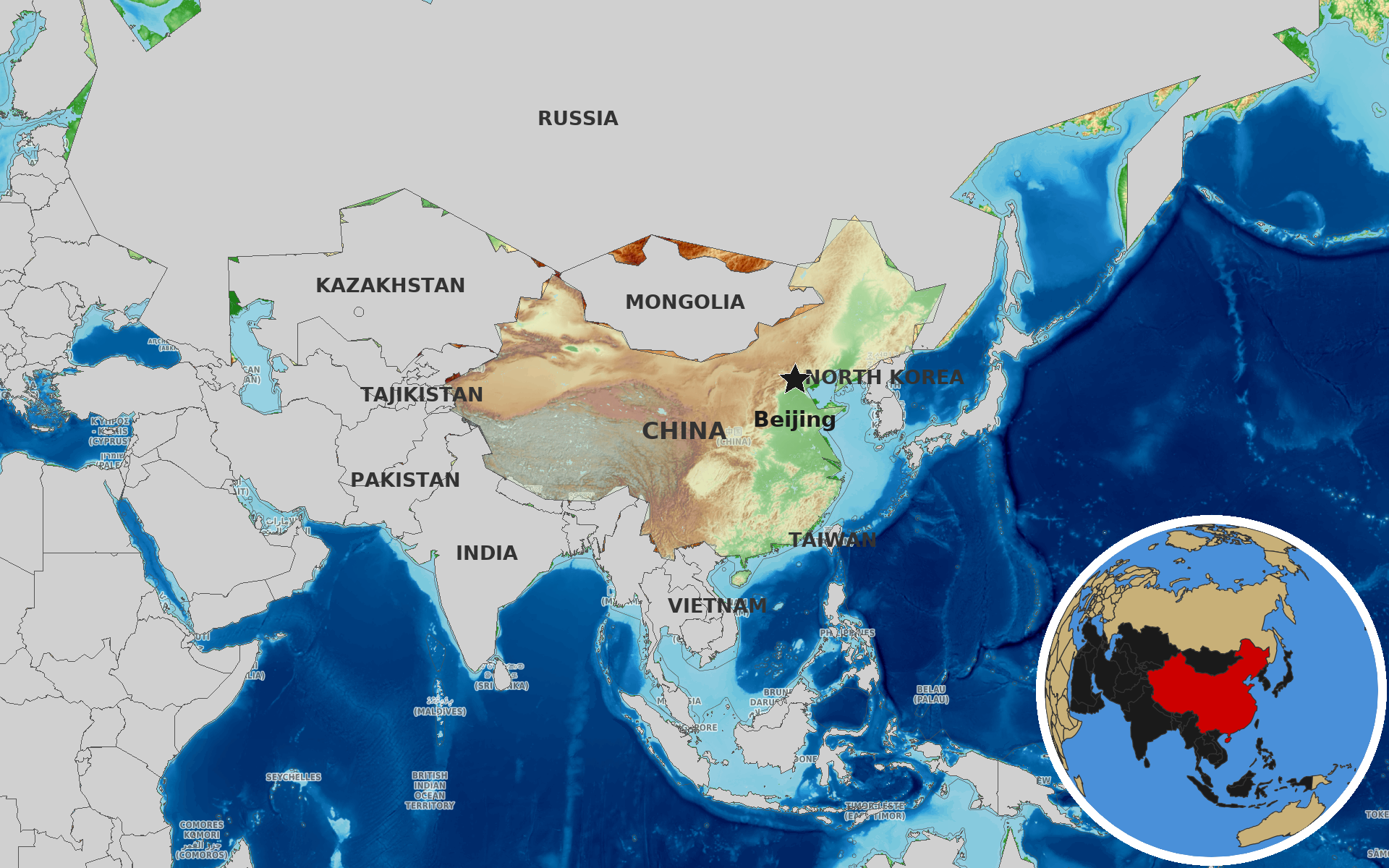
OpenTopoMap / Natural Earth – China
Photo by OpenTopoMap / Natural Earth – China