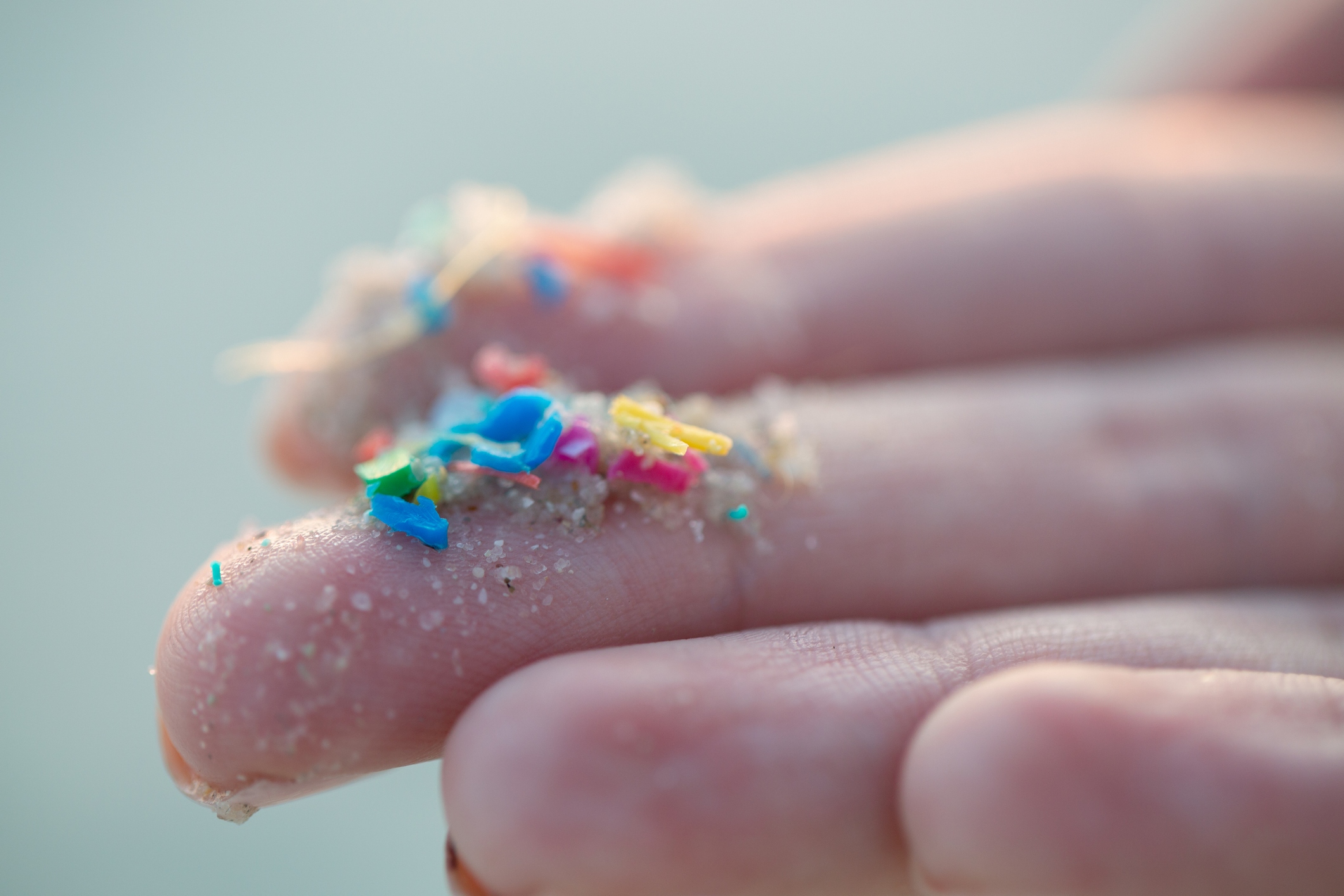
Microplastics found in human brain tissue raise new questions about long-term health
Scientists are uncovering evidence that microscopic plastic particles may accumulate in the brain, prompting fresh research into potential neurological risks and renewed calls to reduce plastic pollution.

AMSTERDAM — When environmental scientist Heather Leslie studies plastic pollution, her concerns are no longer limited to oceans and waterways. Leslie’s breakthrough research has uncovered that humans are hosts to microplastics and that they can have negative effects on human inflammatory responses and the brain.
For years, scientists have been studying the effects of microplastics, or plastics that are less than 5 millimeters in size, on the oceans and environment. However, microplastics have also been found to have adverse effects on the human body.
Recent studies note that microplastics have been found in blood, the lungs and the brain, creating a new set of challenges for medical researchers.
“Human exposure” to microplastics is a frequent discussion topic among scientists, according to Heather Leslie, an expert microplastics researcher at Vrije Universities Amsterdam.
After years of studying the effects of microplastics on food chains, oceans and other animals, Heather Leslie and fellow scientists have turned their attention to humans.
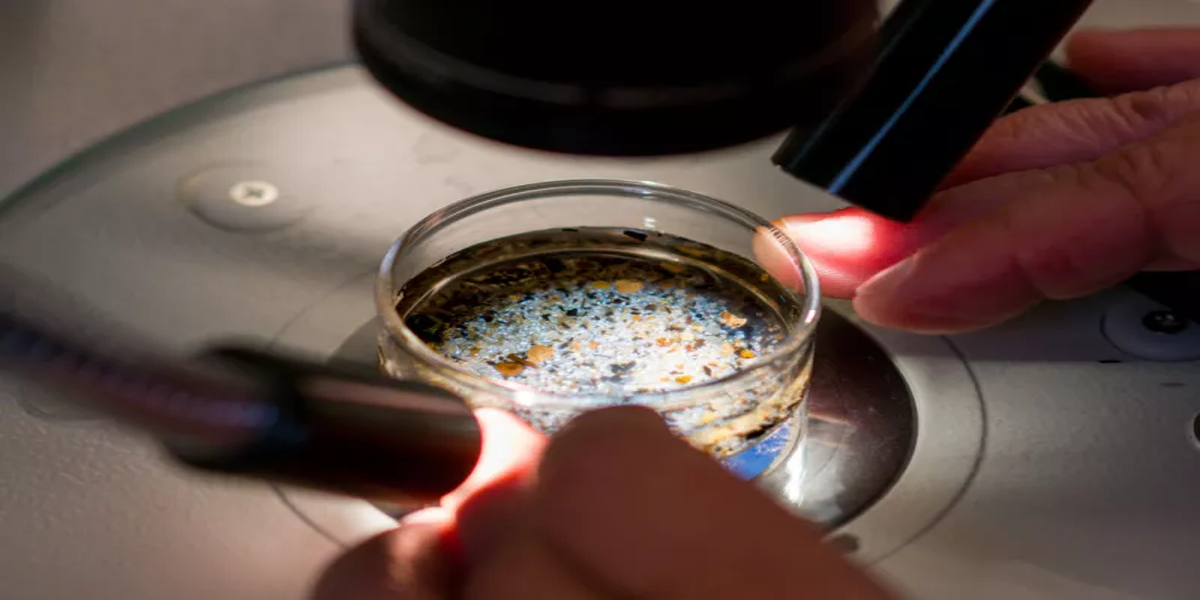

Scientists working hard to understand the impact of microplastic in the environment and in human bodies. Photo: Dr. Heather Leslie/Vrije Universities Amsterdam
The discussion of humans and microplastics has grown more relevant due to the potential negative effects. This new topic of research began when scientists were questioning how plastic could end up in the brain.
Researchers from Amsterdam’s Vrije Universities found that human blood samples contained microplastics and other plastic byproducts commonly found in textiles and consumer goods. This suggests that microplastics may be able to enter the human body after being consumed or used as products.
The fact that microplastics may be present in the human body has generated a great deal of controversy among researchers.Skeptical researchers argue that there is no evidence linking microplastics to the development of neurological diseases.
Many medical professionals, however, are concerned about the long-term effects of microplastic exposure.
“There is no evidence that plastic causes neurological disorders, but we need to understand why it turns up in the brain in the first place. The first priority should be figuring out what these plastics are doing in the brain – not jumping to conclusions about their effects,” said authors of the Public Library of Science Biology essay.
As a result, the presence of microplastics in the human brain has sparked a debate between those who want to uncover their secrets and those who manufacture them.
Many plastic manufacturers and industries are pushing elected officials to loosen regulations on microplastics by arguing that they have no negative effects on the human body.
Meanwhile, many researchers and medical professionals argue that restricting microplastics would be difficult because they are commonly found in the environment.
Scientists, on the other hand, are calling for tighter regulations and a complete examination of the effects of microplastics on human health. Furthermore, environmentalists and social activists are urging lawmakers and industries to reduce their reliance on plastic materials because limiting exposure to microplastics might help avoid a variety of ailments rather than just treating them after the fact.
Researchers are seeking to answer these questions: How long do the plastics that have entered the human body stay there? Can microplastics cross the blood-brain barrier? What health hazards do various sorts of plastics pose?
Heather Leslie’s spectacular scientific discovery has significant implications for the survival of humankind on earth.
Heather says that exposure to microplastics should be limited as much as feasible and that steps should be taken to reduce the risk to human health. In addition, scientists are working to identify the long-term consequences of exposure to microplastics. When it comes to the study of microplastics, the following chapter will undoubtedly raise more queries than responses, leaving researchers to consider whether the minuscule contaminants are a blessing or a curse. Scientists are still trying to understand how these dangerous tiny plastic particles influence human health.