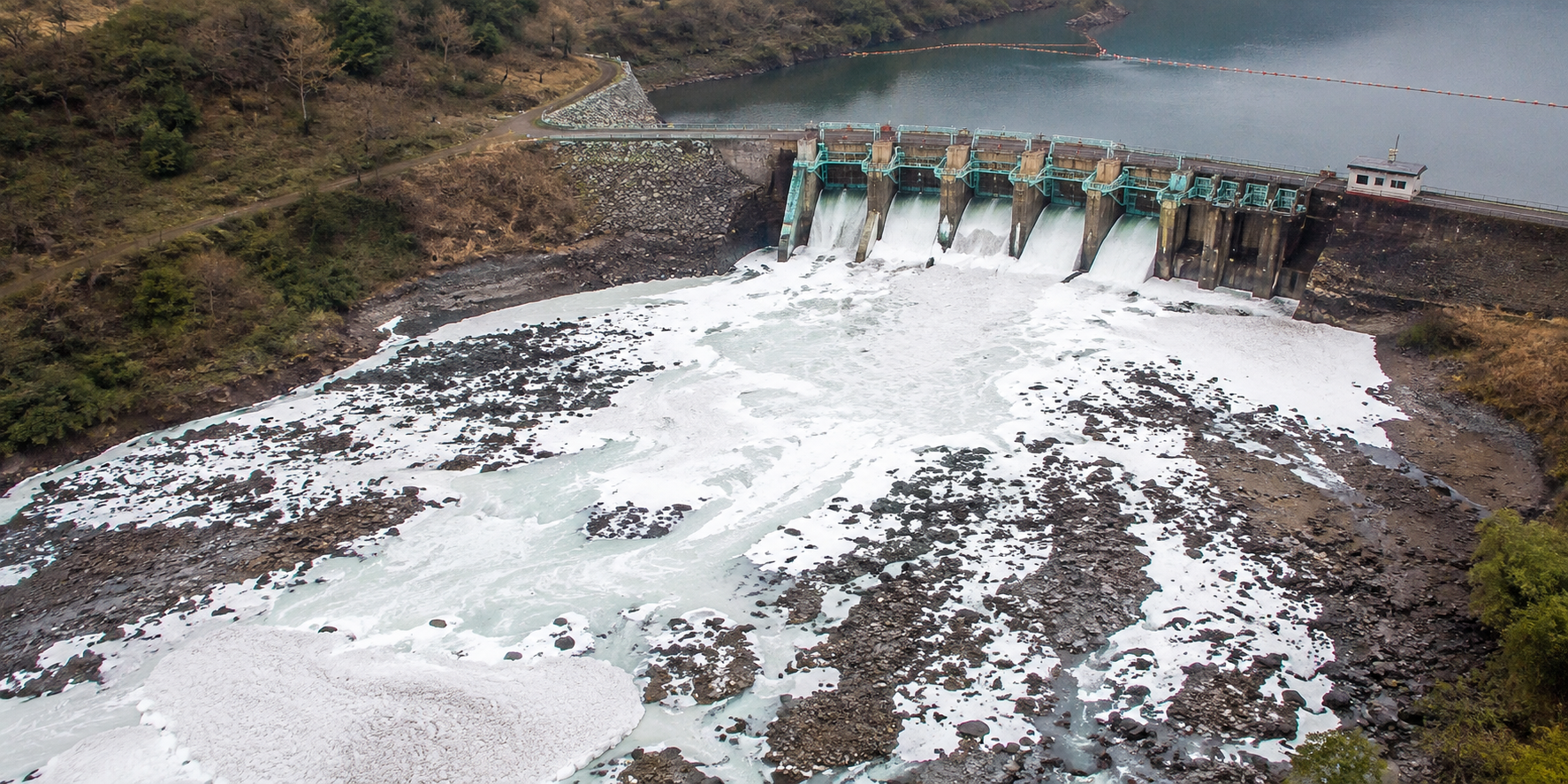
Floods breach reservoir in Nanning, China.
Typhoon Maysak leaves two dead after catastrophic breach inundates Nanning

NANNING, CHINA — Two people died on Sunday after Typhoon Maysak breached a reservoir in Nanning, China, forcing thousands of emergency evacuations.
The danger posed by Typhoon Maysak became more real when Li Wei heard the loud sound of gushing waters and sirens announcing evacuation. To Li Wei, who anchored his family amidst the torrent of the storm, the tragedy is not just a case of two people dead; it is the stark reality of seeing the wall of Nanning Reservoir crumble down, making his area a fight-to-the-death scenario. Now that Li Wei has lost his home within minutes, his life has been totally shattered by the sudden devastation of the flood.
The real impact of the struggle is gauged through human lives lost instantly. Should the emergency team lose the race even by a few minutes, the wave of water coming their way will turn evacuation into a killer wave that will trap families in their houses. The whole community stands to lose everything, including the separation of families and a high number of deaths. Every second of delay by the rescuers and every roadblock encountered is equivalent to human life hanging in the balance.
The main struggle is trying to race against nature. Emergency response teams are battling Typhoon Maysak’s powerful floodwaters as they try to protect lives and prevent a disaster. With roads already swallowed by the floods and people at risk, rescuers are working under immense pressure to evacuate residents to safety. At the same time, the overflowing reservoir continues to strain the already damaged dam, making every minute of heavy rainfall more dangerous and increasing the risk of a catastrophic failure.
The disaster at Nanning is yet another hot spot in a season of record weather disasters for southern China. Even before the flooding occurred, weeks of relentless rains during the monsoon season had already drenched the ground, placing tremendous pressure on the area’s water infrastructure prior to even the arrival of typhoon Maysak.
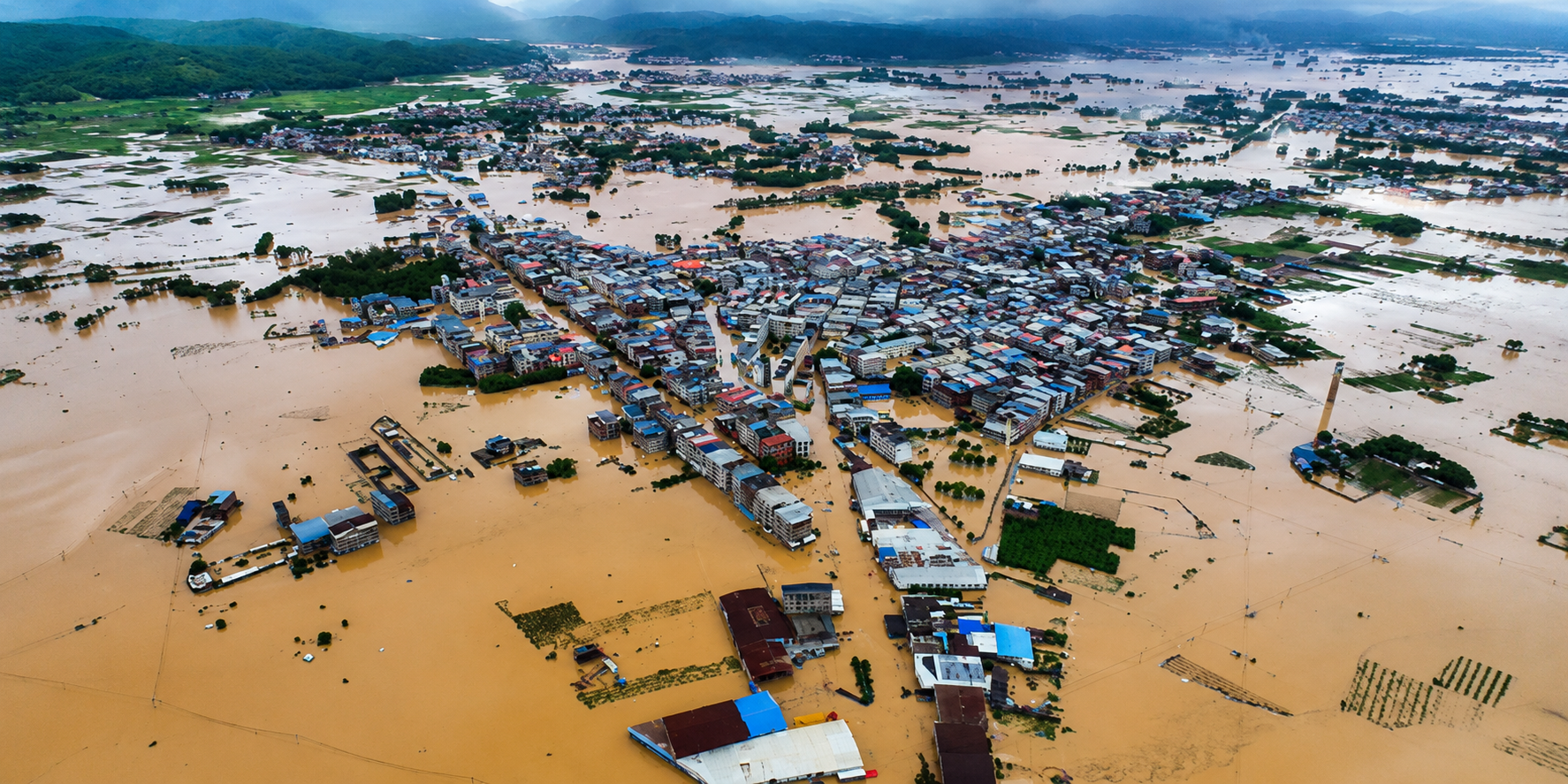

Uncontrolled water flowing through the breached structure, illustrating the scale of destruction following the incident in Nanning, China on July 6, 2026 at 12:31 PM. Photo: AP/Reuters
This weather incident is part of an increasingly prevalent trend of severe weather that puts huge pressure on old flood prevention systems. In light of the increasing strength of tropical storms, this disaster in Nanning illustrates a problem that the area faces, namely the desperate need to strengthen its crucial reservoirs before the next disaster hits.
“The biggest risks are sudden flooding, contamination of water supplies if chemicals are involved, and disruption to essential services. Authorities should monitor water levels continuously and keep residents informed,” said Dr. Michael Carter, a dam Safety and Water Resources Engineer.
Meteorologists advise that the end portion of Typhoon Maysak will bring another three inches of rainfall in the area before daybreak, posing an urgent risk to the still vulnerable buildings in the area. It is now a race against time for the engineers who need to determine if there is any hope of building a second wall of defense before the next runoff takes place. As thousands have already been evacuated and makeshift housing facilities are operating at their maximum capacity, it is anticipated that there will be an updated evacuation plan will be announced soon in the morning.