Trump Ranks US Wars by Death Toll, Puts Venezuela at Zero
Trump compares casualty figures across six conflicts, listing the Venezuela operation as lasting one day with no deaths.

WASHINGTON D.C. — Donald Trump ranked six US military conflicts by duration and death toll in a Truth Social post, placing a Venezuela operation at the bottom of the list with zero fatalities. Trump used the tally to contrast recent engagements with the long wars of the past. The comparison framed his current foreign policy as faster and less costly in American lives.
The list ranged from the 20-year Afghanistan War to a one-day Venezuela operation. Trump cited 58,220 dead in Vietnam over 19 years and five months and 36,574 dead in the Korean War over three years and one month. He attributed 18 deaths to a four-month Iran military conflict.
Here is the full post on Truth Social: “Afghanistan War: 20 years, 2,000 DEAD. Iraq War: 9 years, 4,600 DEAD. Vietnam War: 19 years and 5 months, 58,220 DEAD. Korean War: 3 years and 1 month, 36,574 DEAD. Venezuela War: 1 day, 0 DEAD. Iran Military Conflict: 4 months, 18 DEAD.” on July 21, 2026 at 3:54 PM ET.
This is the first message released by Trump today. On average, Trump produces about 16 posts per day since his inauguration on January 20, 2025.
The move fits a broader pattern in Trump’s recent messaging, with 56 of his 494 posts over the last 30 days focused on foreign policy.
The stakes center on how Americans judge the human cost of military action. Families of service members, veterans groups, and lawmakers who authorize the use of force all measure engagements by casualties. A short conflict with no deaths benefits an administration seeking public support, while critics may question whether the figures capture the full scope of an operation.
The wars Trump cited carry documented casualty records. More than 58,000 American service members died in Vietnam, and their names appear on the Vietnam Veterans Memorial in Washington, according to nps.gov. The Korean War claimed roughly 36,500 American dead, according to defense.gov. The Afghanistan and Iraq wars, which followed the September 11, 2001 attacks, together spanned nearly three decades of US involvement, according to va.gov.
For the average US reader, the tally speaks to whether tax dollars and troops go to open-ended wars or short operations. A conflict measured in days rather than years affects deployment schedules, defense spending, and the risk carried by relatives who serve in uniform.
Has this happened before? This has happened before. Presidents have long compared war records to defend their decisions, and casualty counts have shaped public opinion since the Vietnam era, when nightly television coverage of the dead eroded support for the conflict. Trump has repeatedly cast himself as a leader who avoids prolonged wars.
The next decisions on US posture toward Venezuela and Iran rest with Trump and Congress, which holds the power to authorize or fund military action under the Constitution, according to house.gov. No date for a further vote or announcement has been set.
Comparing conflicts by body count is not new for American leaders. During the Vietnam War, the Pentagon released daily casualty figures that became a defining feature of the era, and by 1969 the toll had climbed past 40,000, according to archives.gov. President Lyndon B. Johnson declined to seek reelection in 1968 as the death count mounted and public patience collapsed, according to britannica.com. The war continued for years after he left office, a reminder that casualty tallies can outlast the leaders who cite them.
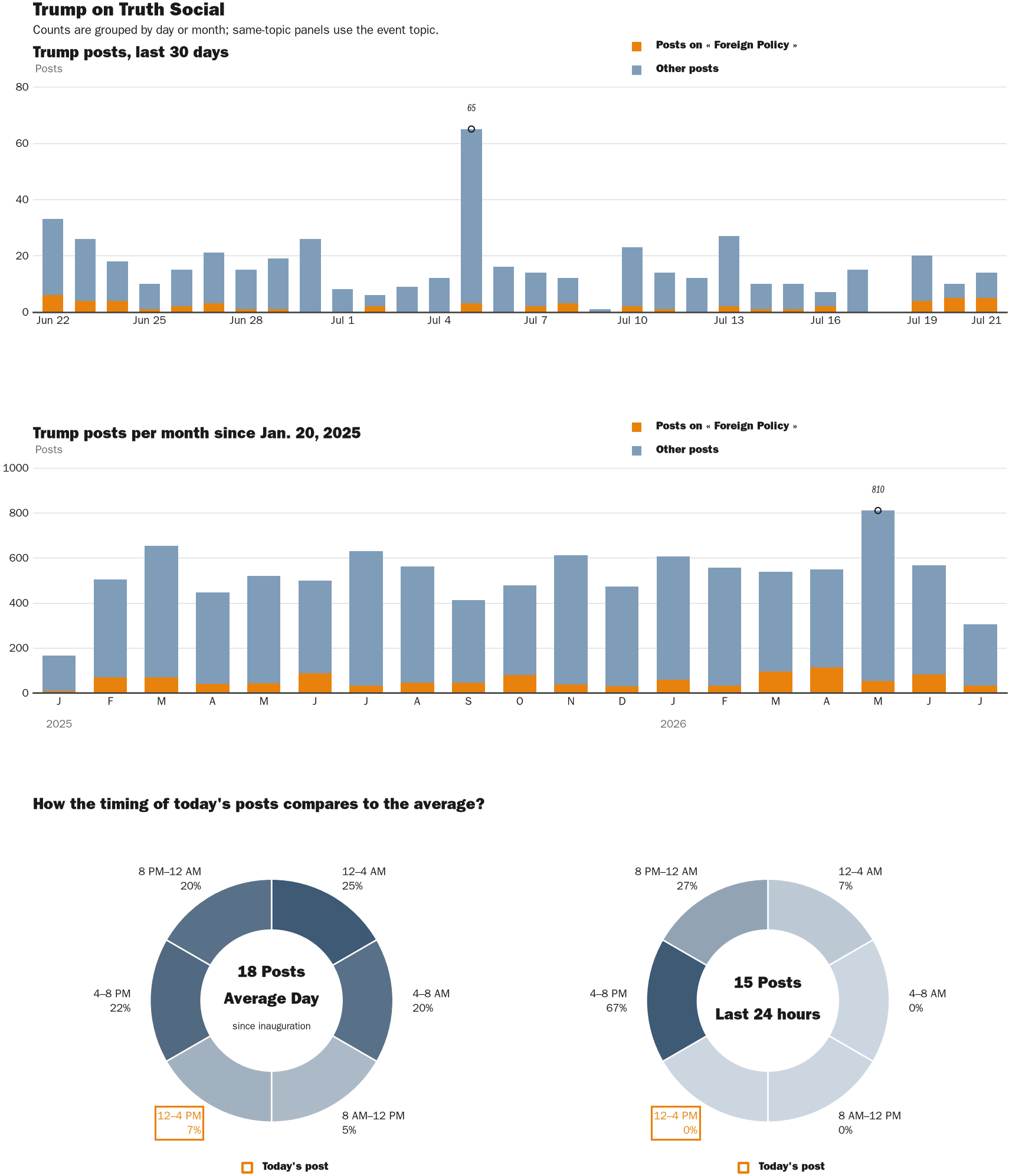

NewsFindr Chart Maker
Photo by Zenger real-time database of all Truth Social posts.
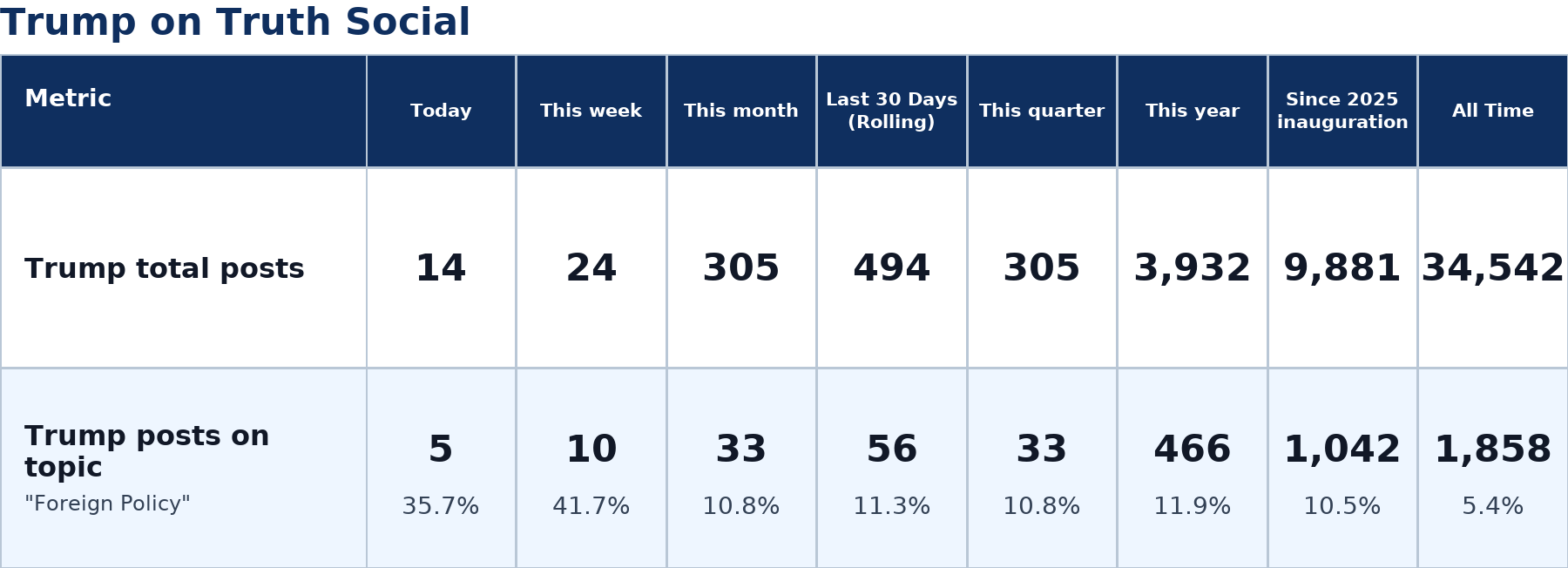
Zenger analysis
Photo by Zenger analysis
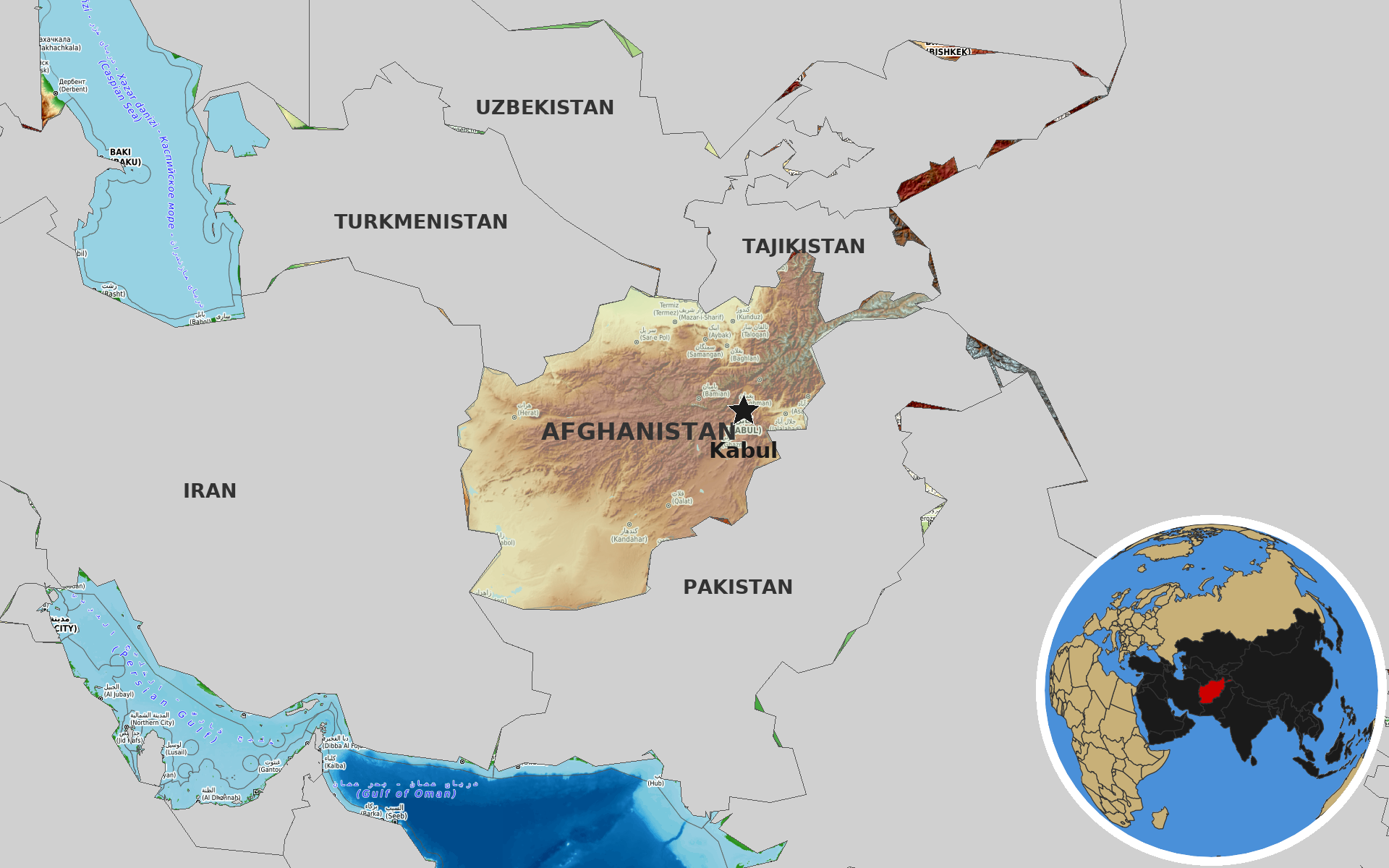
OpenTopoMap / Natural Earth – Afghanistan
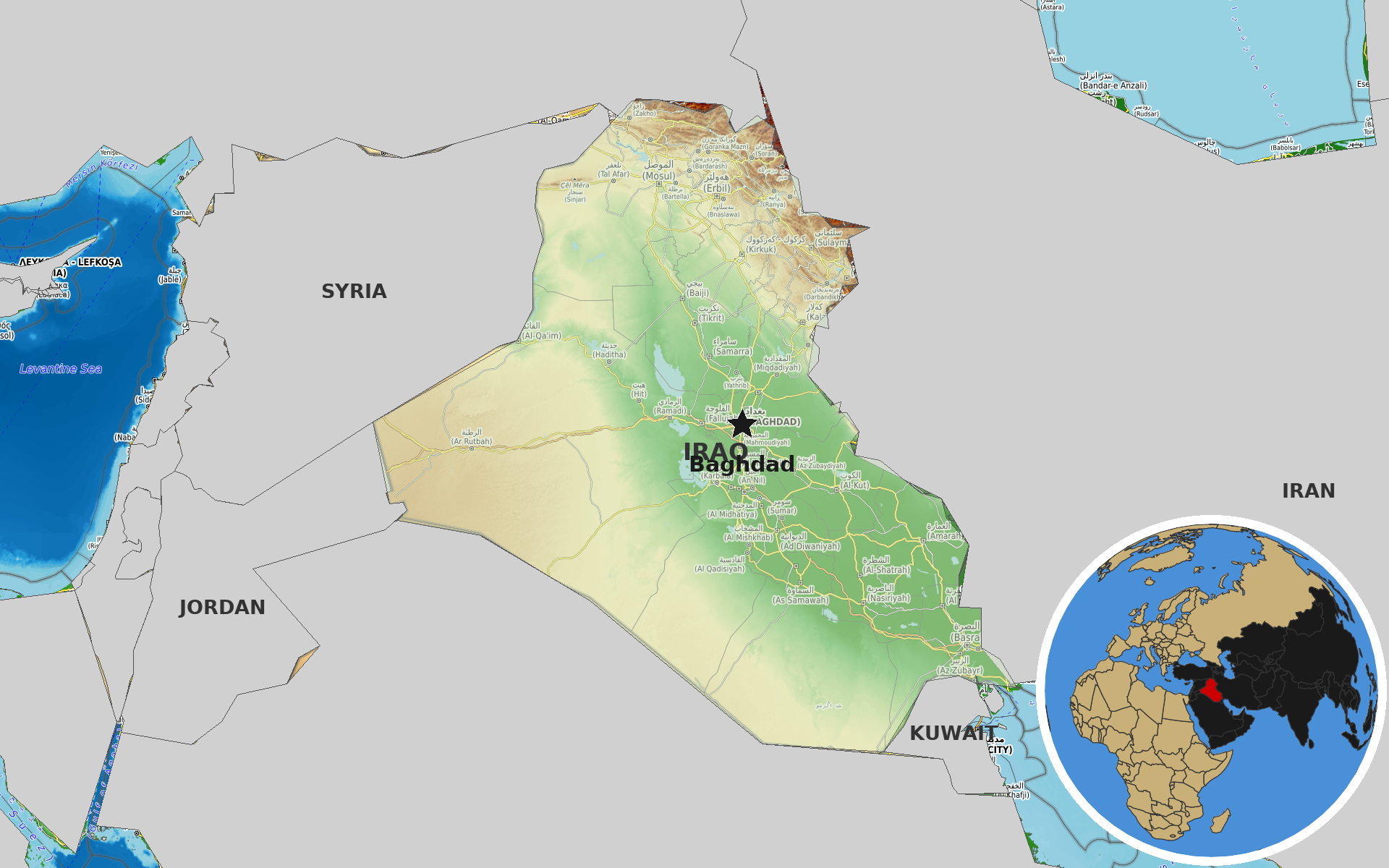
OpenTopoMap / Natural Earth – Iraq
Photo by OpenTopoMap / Natural Earth – Iraq
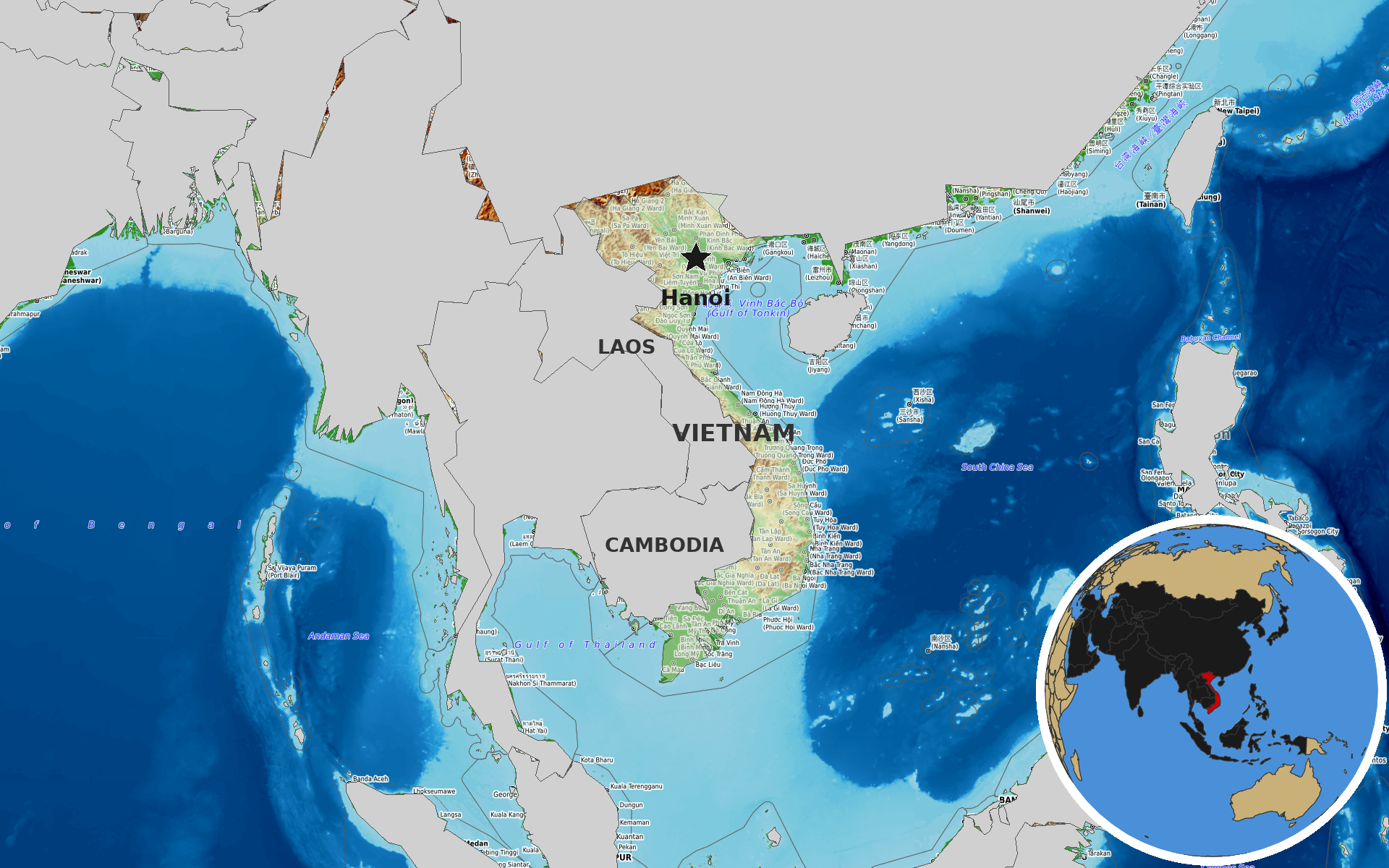
OpenTopoMap / Natural Earth – Vietnam
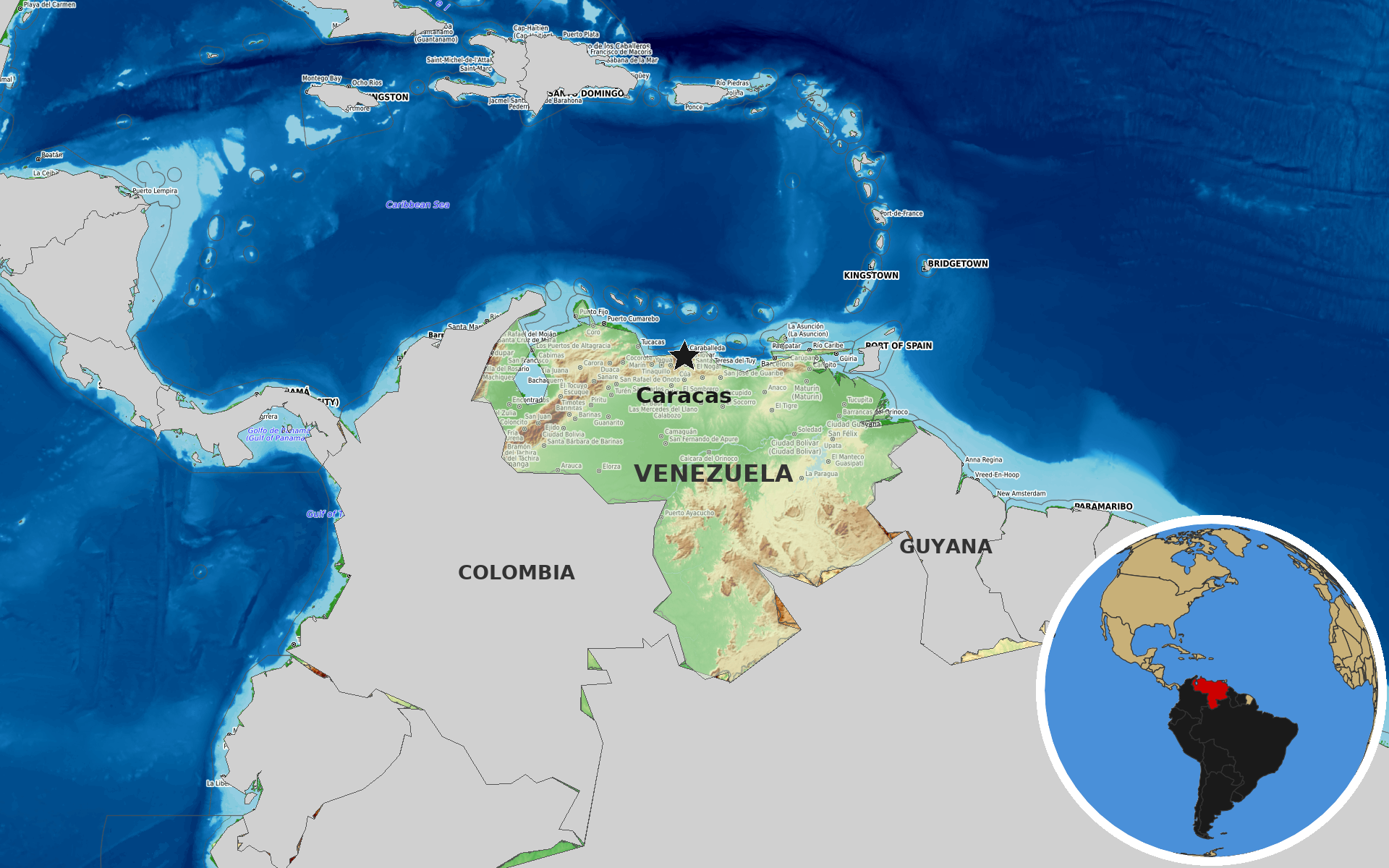
OpenTopoMap / Natural Earth – Venezuela
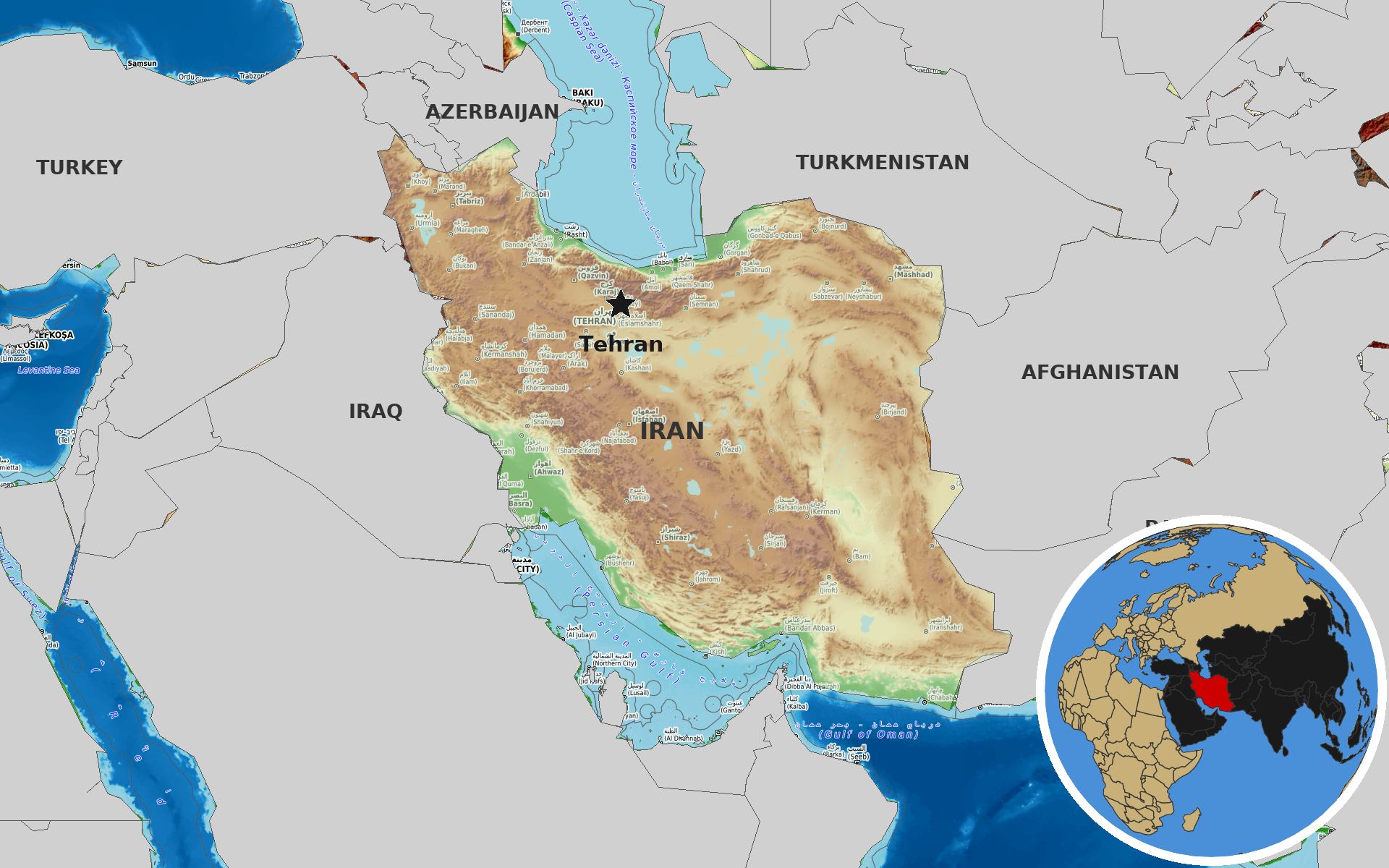
OpenTopoMap / Natural Earth – Iran
Photo by OpenTopoMap / Natural Earth – Iran