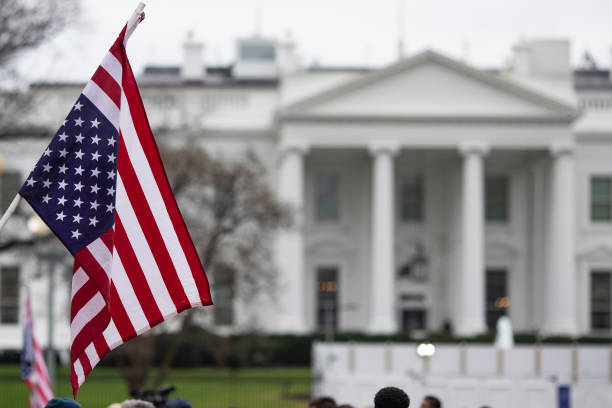
Trump says China stole 220 million U.S. voter files in largest election-data breach
Trump newly declassified documents released during a primetime address claim Beijing acquired sensitive voter data starting in the 2020 cycle, calling it an unprecedented election-security threat.

WASHINGTON D.C. — China acquired 220 million U.S. voter files in what officials call the largest election-data compromise in history,Donald Trump said.
The breach began during the 2020 election cycle and exposed names, addresses, phone numbers and political party preferences, according to whitehouse.gov. The stolen data would be enough to register to vote and to carry out other illicit activity, the newly declassified documents state. Trump released the findings during a primetime address on July 17, 2026.
Here is the full post on truthsocial: “Newly declassified documents show that over a period of years starting during the 2020 election cycle, the People’s Republic of China carried out what is believed to be the largest compromise of election data in history — resulting in China’s illicit acquisition of 220 million U.S. voter files. That information includes names, addresses, phone numbers, political party preferences, and other sensitive data that would be needed to register to vote, and engage in other nefarious activities. This data loss presents an unprecedented election security nightmare. The intelligence even shows that China assigned a data exploitation unit specifically to this new project.”
“This data loss presents an unprecedented election security nightmare,” Trump said in the post, adding that Beijing assigned a dedicated data exploitation unit to the effort.
The disclosures form part of a broader White House release on election integrity that spans January 2020 to June 2026, according to whitehouse.gov. Intelligence assessments in the package warn that Russia, China, Iran and North Korea have the capability to compromise U.S. election infrastructure, and that centralized voter registration databases remain most vulnerable to exploitation. U.S. spy agencies began tracking the compromise in 2020, when they found that data on tens of millions of voters in 18 states had been bought, stolen or hacked, according to whitehouse.gov.
The stakes fall heaviest on voters whose personal records now sit in foreign hands, and on state election officials who administer registration rolls. The White House release also cites a Department of Homeland Security review that identified roughly 278,000 noncitizens registered to vote in federal elections, according to whitehouse.gov. It further points to FBI files alleging a large-scale voter registration operation in Michigan, where state police raided a get-out-the-vote group in Muskegon in 2020, according to whitehouse.gov.
For the average reader, the disclosures raise the prospect of identity exposure, as the files include the kind of personal data used in fraud and targeted scams. The documents describe the information as sufficient to register to vote in another person’s name, according to whitehouse.gov.
Has this happened before? Foreign interference in U.S. elections has surfaced repeatedly, though claims of a breach on this scale are new. Prior intelligence findings documented Russian efforts to probe state voter systems in 2016, and later assessments flagged multiple adversaries as capable of hitting election infrastructure, according to whitehouse.gov.
The next move belongs to the FBI and the Department of Justice, which Trump directed to investigate the Michigan matter and pursue any prosecutions, according to whitehouse.gov. A date for any charging decision has not been announced.
Allegations of election data theft aren’t the first time Washington has confronted a mass breach of Americans’ personal records. In 2015, the Office of Personnel Management disclosed that hackers, later attributed by U.S. officials to China, had stolen personnel files on roughly 22 million current and former federal employees, including fingerprints and background-check data. That intrusion prompted the resignation of the agency’s director and years of credit monitoring for affected workers, reshaping how the U.S. government guards sensitive data.
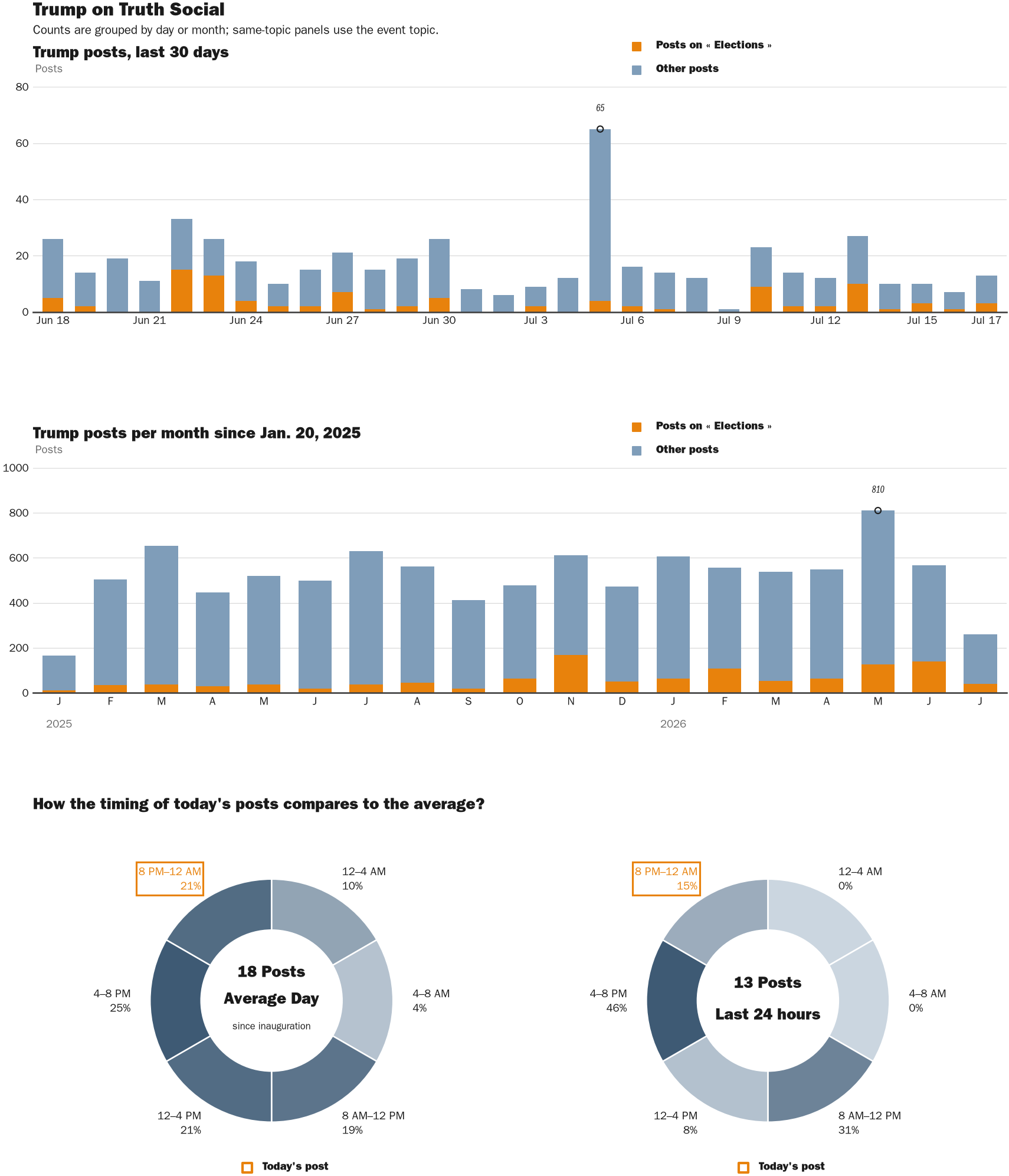

NewsFindr Chart Maker
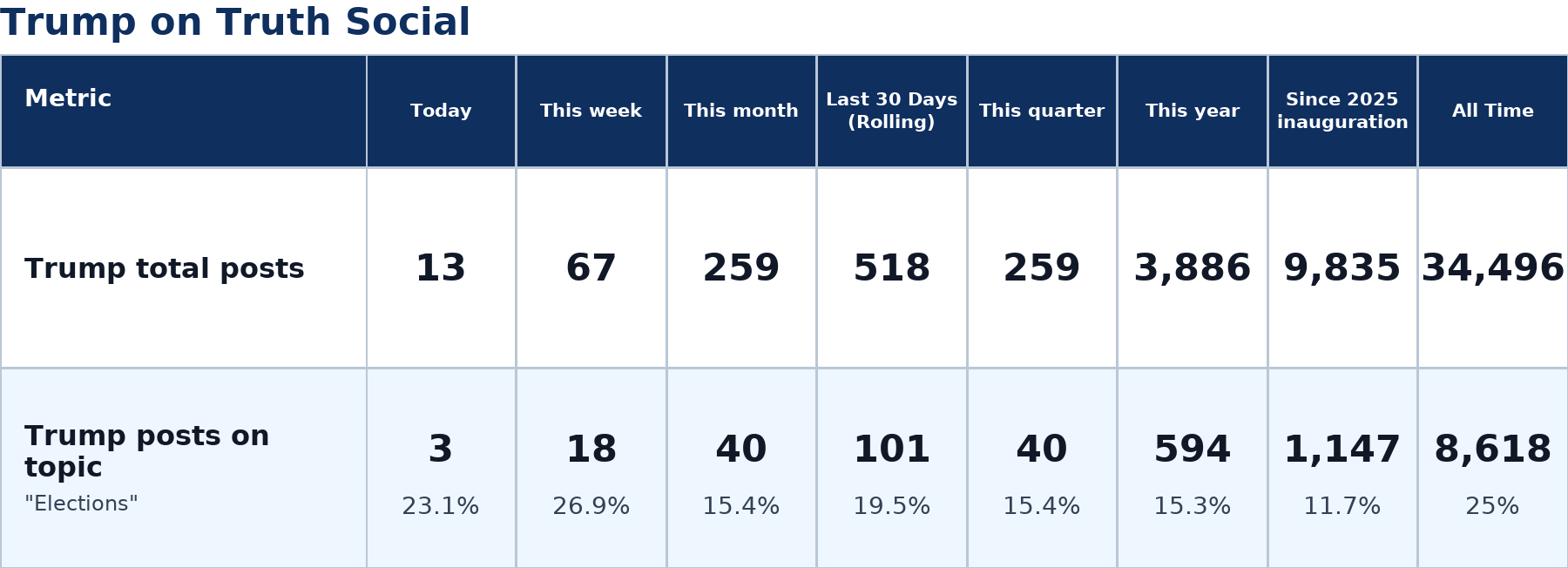
Zenger analysis
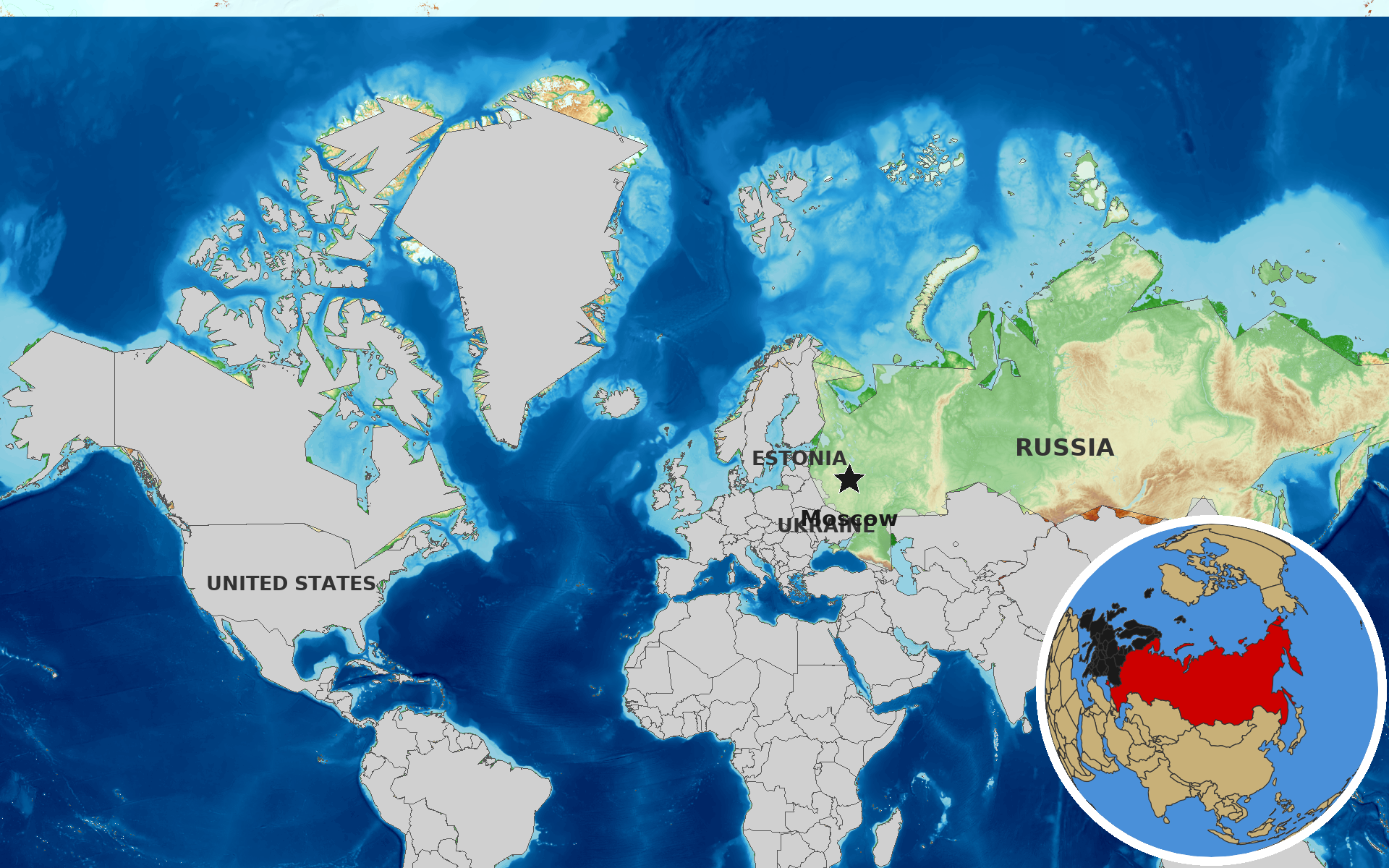
OpenTopoMap / Natural Earth – Russia
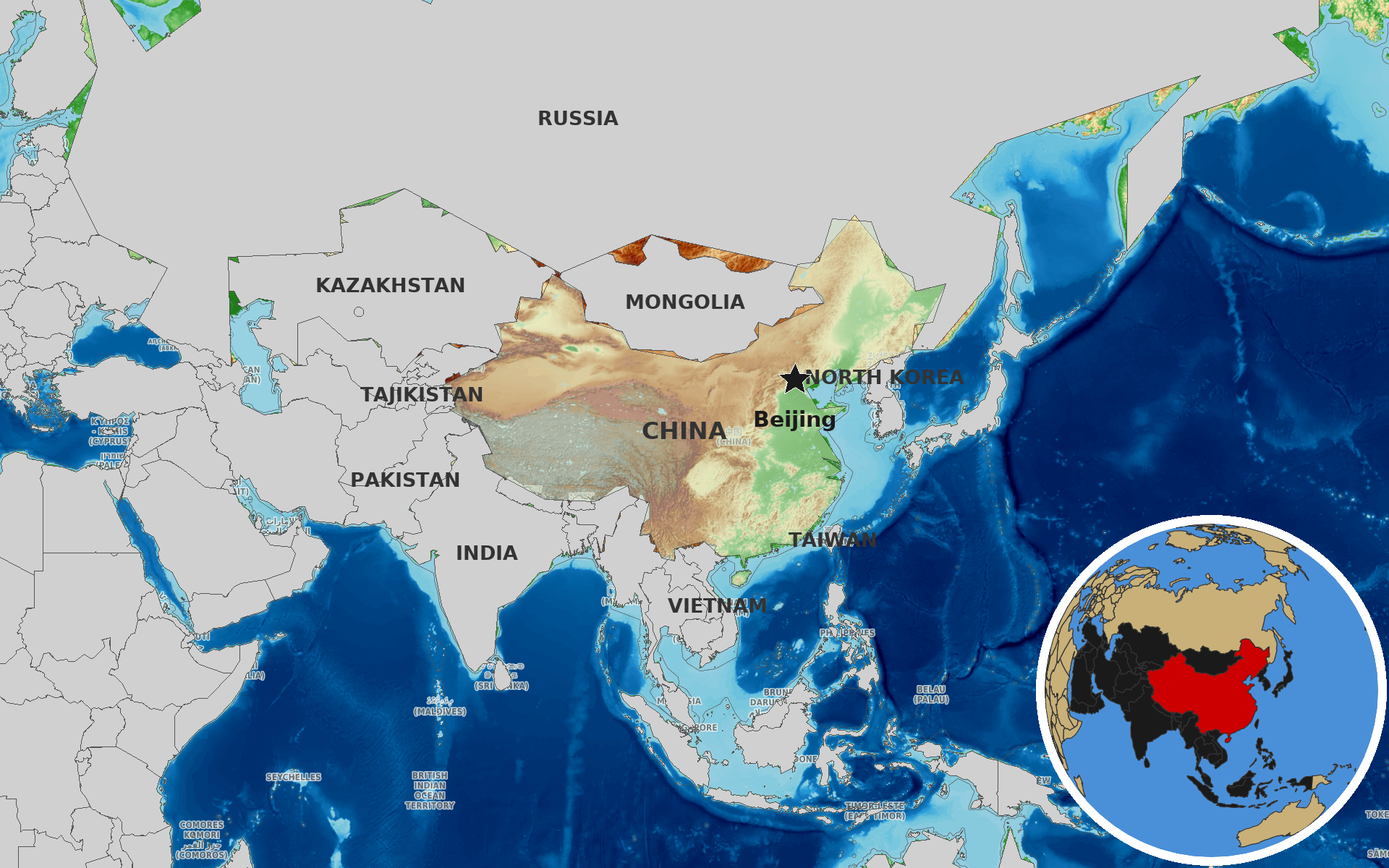
OpenTopoMap / Natural Earth – China
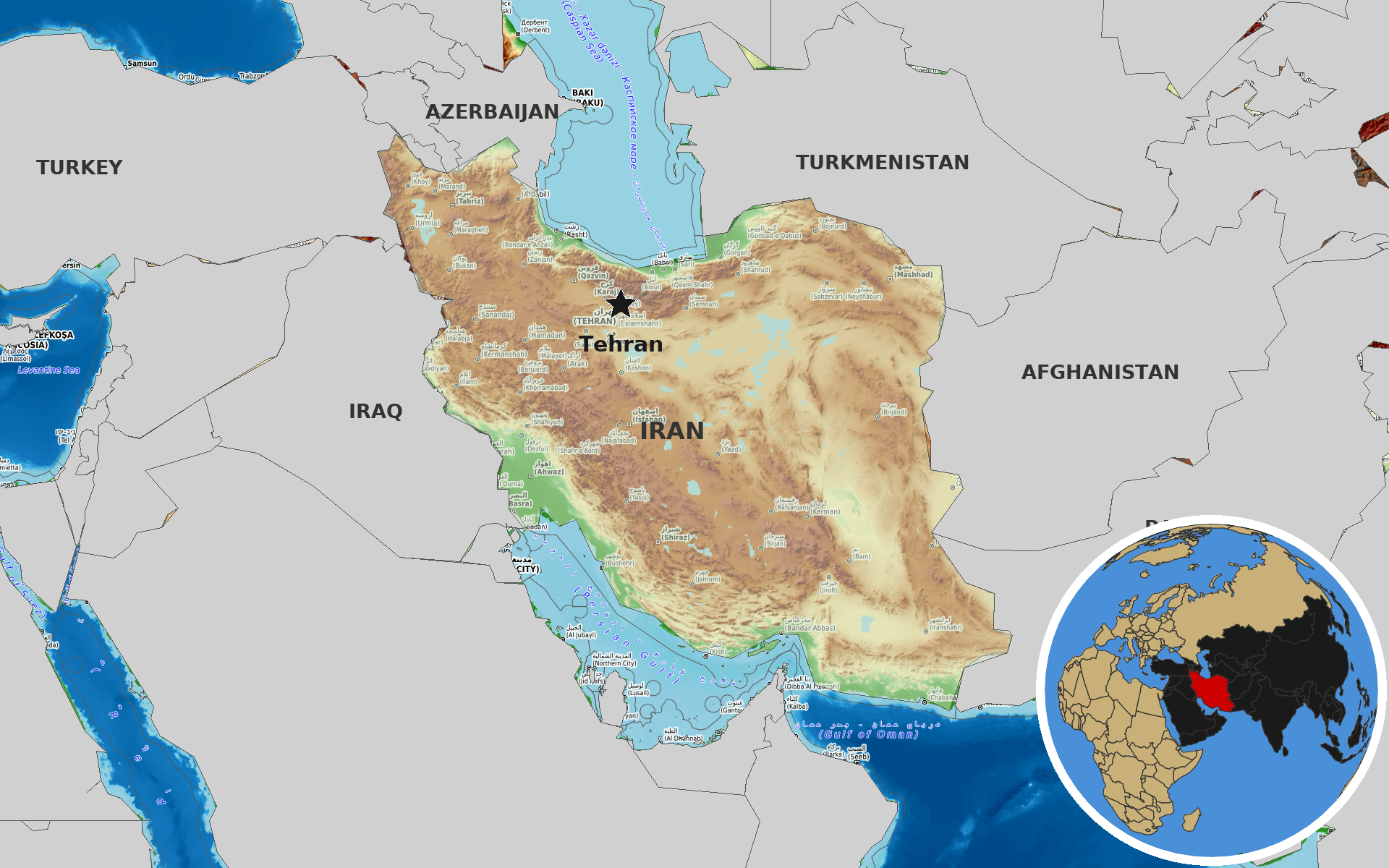
OpenTopoMap / Natural Earth – Iran
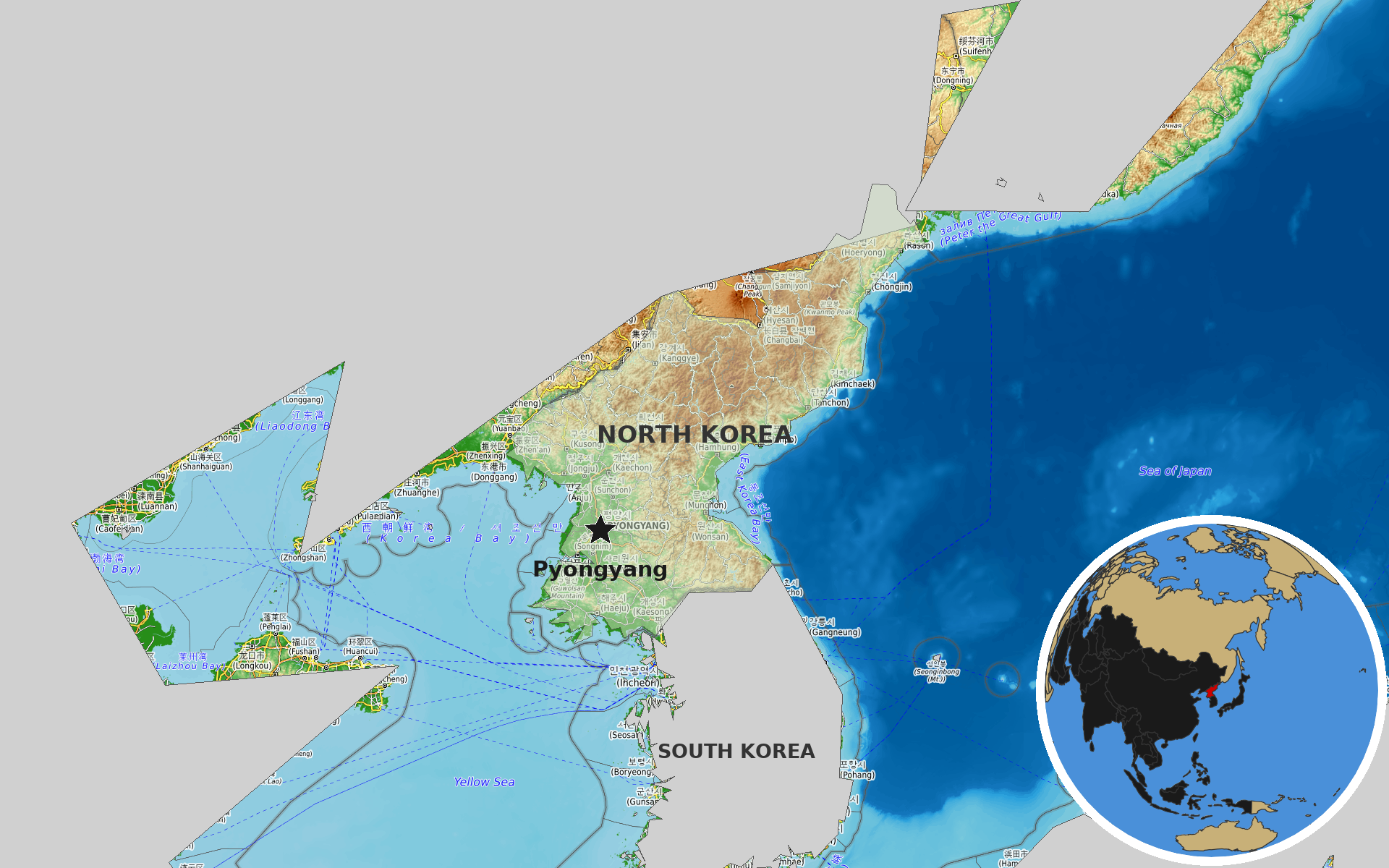
OpenTopoMap / Natural Earth – North Korea