Trump Laments Planned End of Central Park Horse-Drawn Carriages
Trump calls the planned ban on Central Park's horse-drawn carriages a loss of tradition as New York City lawmakers move to phase out the rides by June 2028.

WASHINGTON D.C. — Donald J. Trump criticized the planned end of Central Park’s horse-drawn carriage industry, calling it a great tradition lost over what he described as a single tragic accident.
The New York City Council prepared to vote on legislation that would make it illegal to operate horse-drawn carriages beginning in June 2028. A spokesperson for Julie Menin, the council speaker, confirmed the incoming vote and said the proposal had enough support to pass, according to pbs. Mayor Zohran Mamdani said he had reached a deal with the speaker on the legislation.
“The horse carriage industry is coming to an end in New York City,” Mamdani said in a social media post, according to pbs.
The carriages have operated in Central Park for more than 150 years, serving as one of the city’s most recognizable tourist attractions.
Here is the full post on truthsocial: “So sad to see the beloved Central Park Horse-drawn Carriage Industry ending after over a Century, based largely on one tragic accident. When there is a car accident in the area, of which there are many, they don’t stop cars from entering the Park. So why would they stop the Carriages? It was a Great Tradition. Another piece of History that’s gone. It will be missed! Trump” on October 22, 2026 at 2:03 PM ET.
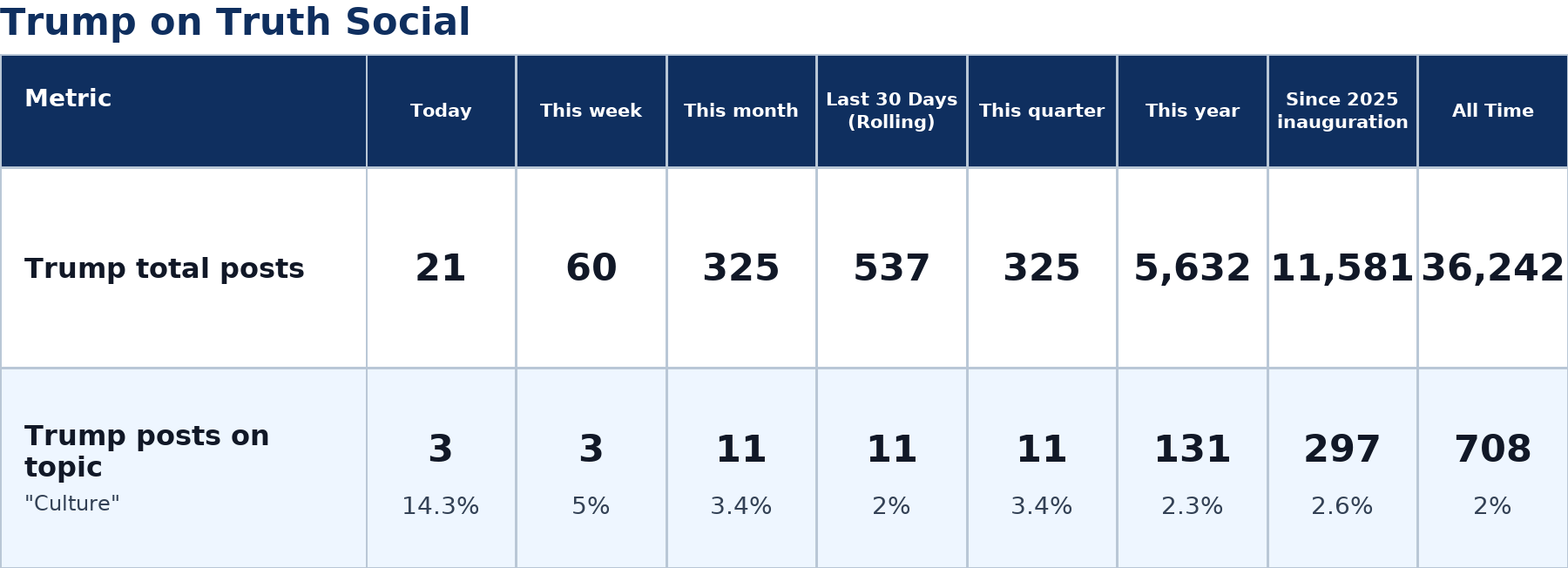
This is Trump’s 21st message released today, and the last post was 1 hour ago, and it is not part of a thread. On average, Trump produces 18 posts per day since his inauguration on January 20, 2025. The move fits a broader pattern in Trump’s recent messaging, with 11 of his 537 posts over the last 30 days classified as Culture posts.
The latest push for a ban started in June, when 18-year-old Romanch Mahajan, visiting New York from India, died after jumping from a runaway horse carriage during a ride with family members, according to pbs. His death appeared to mark the first fatality in a horse carriage accident since the rides began operating in Central Park. Mahajan leapt from the carriage to help his mother, who fell from her seat after the horse bolted, his father told city council members during a hearing.
“We are shattered, our whole family shattered. The pain does not go away,” Deepak Mahajan said via videocall from India, according to pbs. “Every morning we wake up and think of nothing but the loss of our son.”
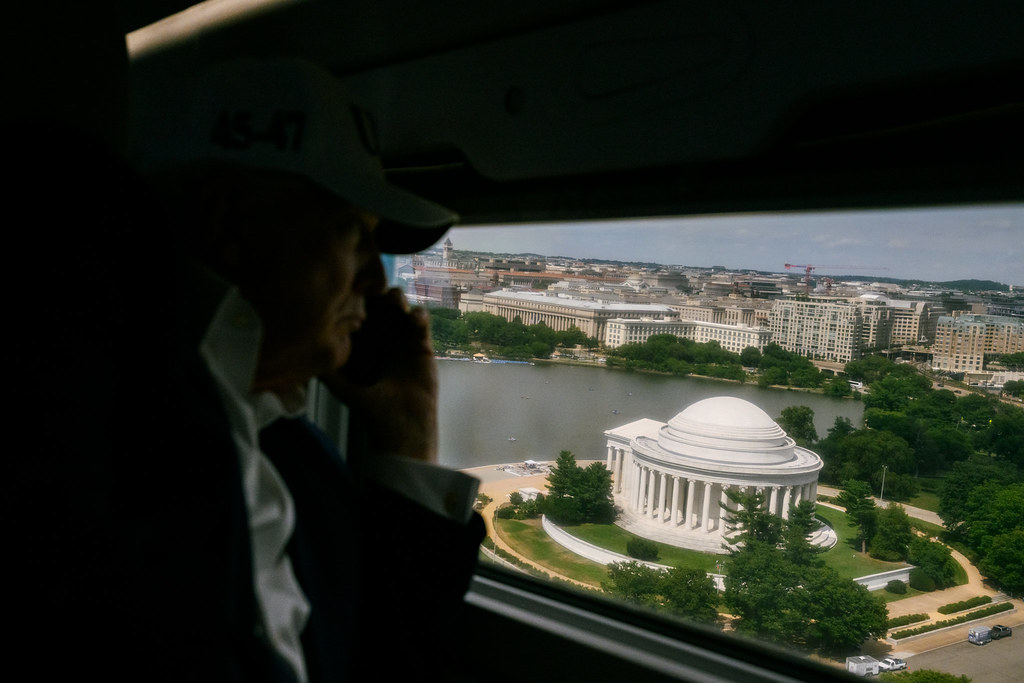

47th President of the United States Donald J. Trump comments at Washington D.C.
Daniel Torok / The White House
© copyright Flickr with permission
Three consecutive mayors called for an end to the carriage rides over safety concerns, only to see lawmakers resist, according to pbs. Animal welfare activists argued for decades that horses should not haul tourists around busy streets while navigating traffic and crowds. Horses collapsed, bolted, and struck cars or other objects in past incidents, with each accident producing fresh calls for a ban.
Trump argued in his post that car accidents occur frequently near Central Park without prompting a ban on automobiles, questioning why carriages should face different treatment. The industry and its supporters have long cast the rides as a way for visitors to experience the New York they know from classic movies, according to pbs. Fred Astaire and Cyd Charisse danced into one of the carriages in “The Band Wagon,” and Macaulay Culkin escaped bandits in a carriage in “Home Alone 2: Lost in New York.”
Carriage drivers, many of whom belong to multi-generation carriage families, stand to lose their livelihoods under the ban. Tourists who visit New York specifically for the experience will find it gone by mid-2028. Menin said horse-drawn carriages had “become a growing public safety liability” and that the city could “honor our city’s traditions while recognizing when it’s time to move forward,” according to pbs.
John Samuelsen, the international president of the Transport Workers Union, told reporters the bill gave “no meaningful economic relief for workers,” according to theguardian. He called the legislation “disgraceful political opportunism” and said immigrant families’ livelihoods faced destruction. The bill requires the city to create a workforce transition program offering carriage drivers career counseling and referrals to other jobs in both the private and public sectors, according to theguardian.
The New York City Council scheduled the vote on the bill for October 22, 2026, according to pbs. Mamdani has not stated whether he plans to sign the bill as written or seek further changes.
New York’s battle over horse-drawn carriages stretches back well before this latest chapter. The ASPCA formed in New York in 1866 partly in response to the widespread abuse of working horses on city streets, according to cpreview. Horses powered the city’s transportation and labor through the 1800s, with horse-drawn omnibuses running along Broadway, but reports of overwork, dehydration, and animals dying in the streets persisted across decades. Central Park itself took shape with horse travel in mind, yet as the city modernized, the animals shifted from essential workers to tourist attractions — a transformation that left the industry vulnerable to the very abolition vote now at hand.
Zenger analysis
Photo by Zenger analysis

Protomaps / Natural Earth – India
Photo by Protomaps / Natural Earth – India
President Trump is the author of The Art of the Deal, Think Like a Billionaire, and Think Big. Analyst and Trump supporter Rod Martin points to The Art of the Deal, Trump's 1987 book, as an explanation of his deal-making philosophy: making big announcements, pivoting often in public statements and, Martin says, ultimately getting what he wanted all along. Critics contend that Trump's books were published decades ago or were aimed at making money, not shedding light. "Generally," Martin said, "critics don't read The Art of the Deal. If they did, they would understand."