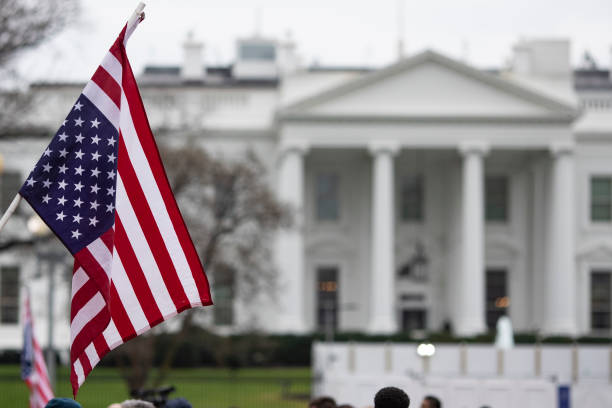
Trump Touts “Incubators” to Build New Tech Against Drone Terror Attacks
Trump promotes a private-sector push led by the National Security Council to detect and neutralize malign drones within seconds as Congress debates defense funding.

WASHINGTON D.C. — Donald J. Trump promoted a private-sector push to build American technology capable of stopping hostile drones within seconds, framing counter-drone defense as the new frontier of national security.
The administration is using industry “incubators” to gather engineers and startups around detection and neutralization systems, according to justthenews.com. The effort ties directly to a defense funding fight now moving through Congress, where lawmakers have yet to settle spending for the coming fiscal year.
“We are acting as an incubator, as a catalyst for all of those potential solutions in the private sector,” said Dr. Sebastian Gorka, Senior Director for Counterterrorism at the National Security Council, according to justthenews.com.
The move matters because drones now shape both foreign battlefields and domestic security, and cheap airborne threats can cost an attacker a few dollars while defenders spend far more to counter them.
Here is the full post on truthsocial: “Trump administration creating “incubators” to develop new tech to counter drone terror attacks: https://justthenews.com/government/security/combatting-fury-skies-drone-warfare-necessitates-new-protection-technology” on August 2, 2026 at 7:20 AM ET.
This is the first message released by Trump today. On average, Trump produces 18 posts per day since his inauguration on January 20, 2025.
The move fits a broader pattern in Trump’s recent messaging, with 50 of his 465 posts over the last 30 days focused on Domestic Policy.
Gorka said the government wants domestic manufacturing rather than foreign purchases. He described a competition for the best solutions to both build first-person view attack drones and the systems that stop them, by mentioning the source (see justthenews). One product cited in the effort is Space Eyes’ Morpheus Counter-Unmanned Aerial System, which combines radio-frequency signal processing, artificial intelligence and quantum-resistant security to detect, classify and neutralize airborne threats within seconds.
“Without the partnership of private industry, this problem wouldn’t be solved,” said Derek Gordon, President of National Security at Space Eyes, according to justthenews.com. Gordon pointed to the recent FIFA event as a moment when drone risk moved to the forefront of security planning.
Stakes now rest on money. The House of Representatives narrowly passed a $1.15 trillion National Defense Authorization Act for fiscal 2027 on July 22, authorizing Defense Department programs, according to justthenews.com. The House the same day advanced a reconciliation budget resolution with roughly $60 billion in added defense funding, far short of the administration’s $350 billion request, and the Senate version stalled after a failed cloture vote. The measure authorizes spending but does not appropriate the funds, leaving the counter-drone push dependent on later action.
Winners in the plan would be private defense startups and domestic drone manufacturers, while foreign suppliers stand to lose federal business under a build-at-home approach. Local governments could also gain if Congress funds municipal defenses. “I think this is something that would be a good thing for Mike Johnson to look at,” said Rep. Glenn Grothman, R-Wis., urging assets or funding for local governments, according to justthenews.com.
For the average reader, the initiative touches events they attend and towns where they live, since drones have appeared over stadiums, airports and public gatherings. A faster domestic defense industry could shape ticket-line security screening and local police tools in the years ahead.
This has happened before in a different form. Trump signed an executive order in November 2025 launching the “Genesis Mission” to accelerate scientific discovery using artificial intelligence and private-sector supercomputing, according to cbsnews.com. That effort, like the drone push, leaned on private industry and federal labs to speed results.
The next decision rests with the Senate, which must act on its stalled defense authorization and the reconciliation budget resolution before funding flows. A date for a final Senate vote has not been announced.
Drone conflict reshaping defense policy isn’t the first time aerial weapons forced governments to scramble for countermeasures. The soft launch of modern drone warfare emerged in the Russia-Ukraine war, where Ukrainian forces pioneered inexpensive FPV strikes and Russia deployed Iranian-made Shahed drones after the full-scale invasion of 2022, according to justthenews.com. During the October 7, 2023 attack on Israel, Hamas used drones for surveillance and to drop explosives alongside a ground invasion that killed at least 1,200 people, according to justthenews.com. Each conflict pushed defenders to spend heavily against weapons that cost attackers only a few dollars, a cost gap now driving the administration’s incubator strategy.
Assigned topic: Domestic Policy.
This is Trump’s 1st Truth Social post today, out of 2 total today.
On average, Trump produces 18 posts per day since his inauguration on January 20, 2025.
Trump’s last post was 9 hours ago.
This post is not part of a thread.
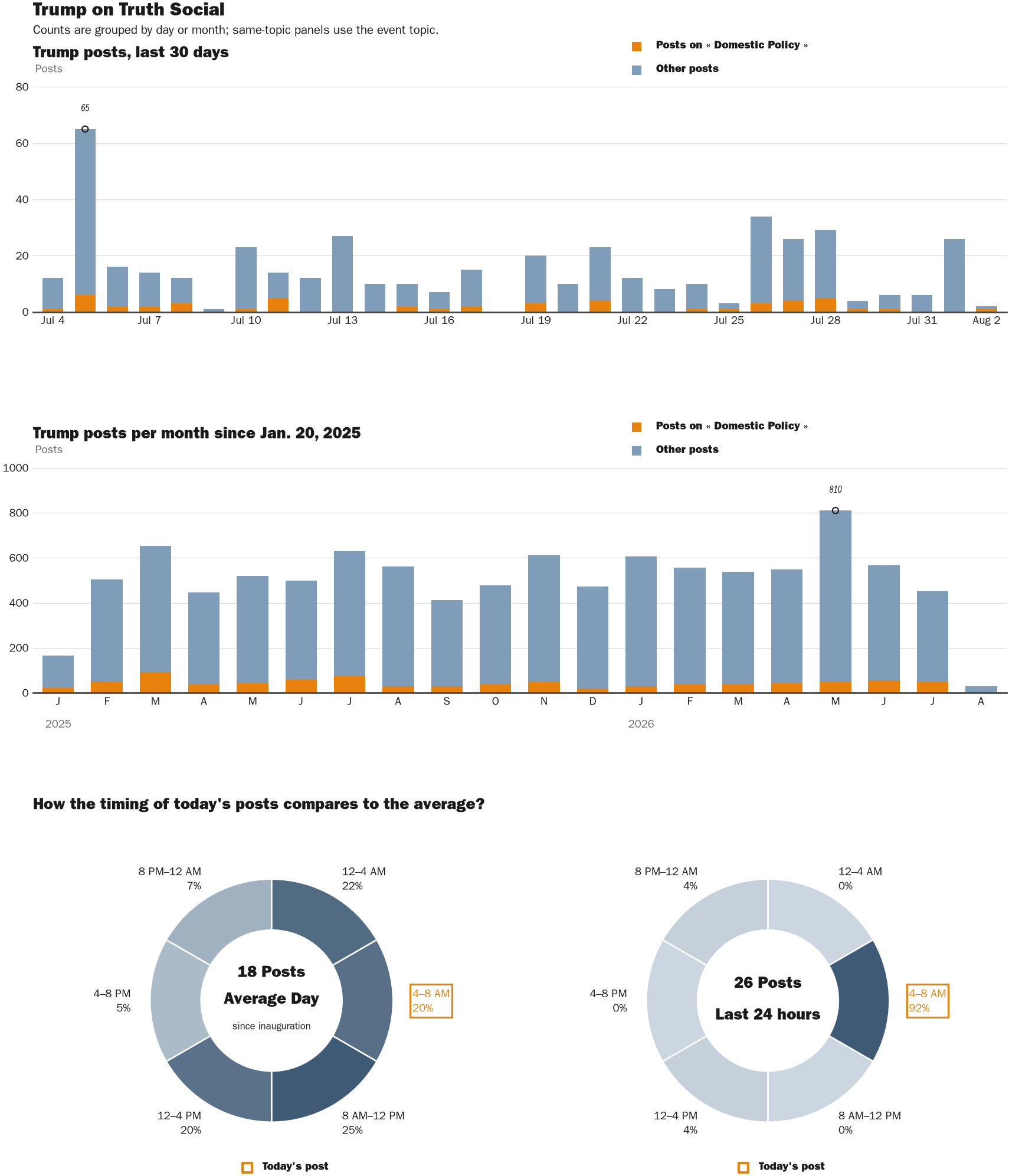

NewsFindr Chart Maker
Photo by Zenger real-time database of all Truth Social posts.
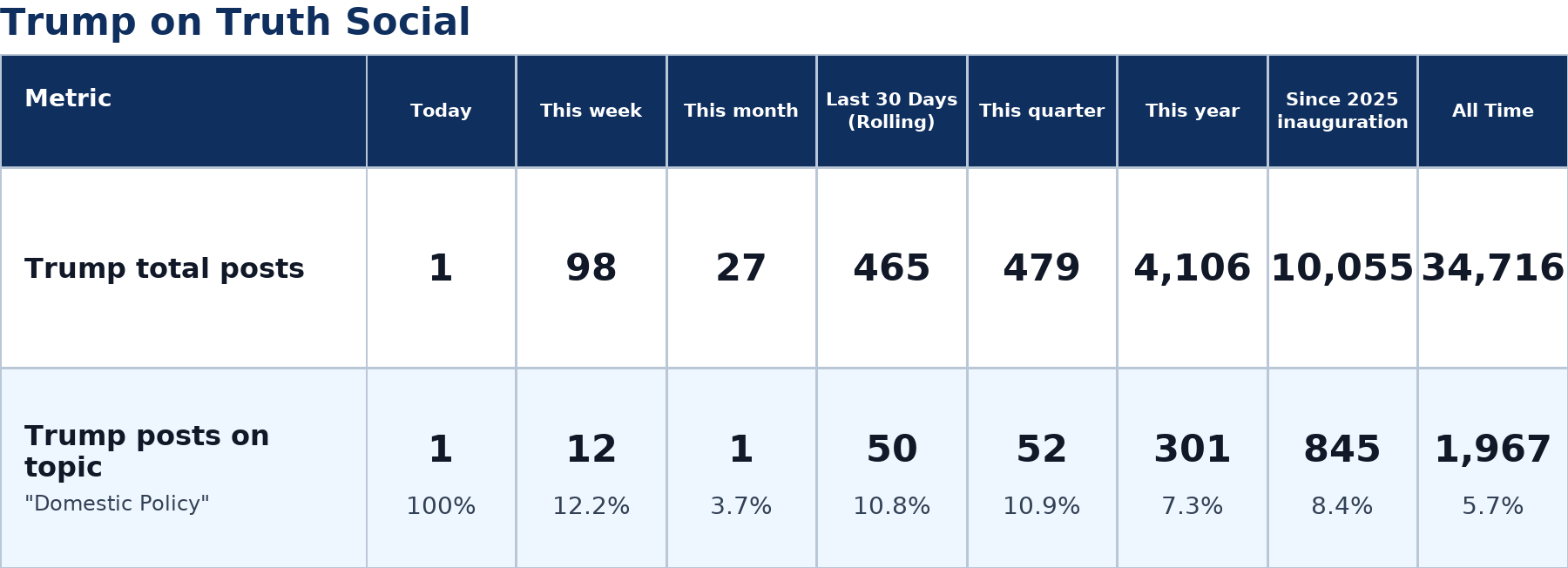
Zenger analysis
Photo by Zenger analysis
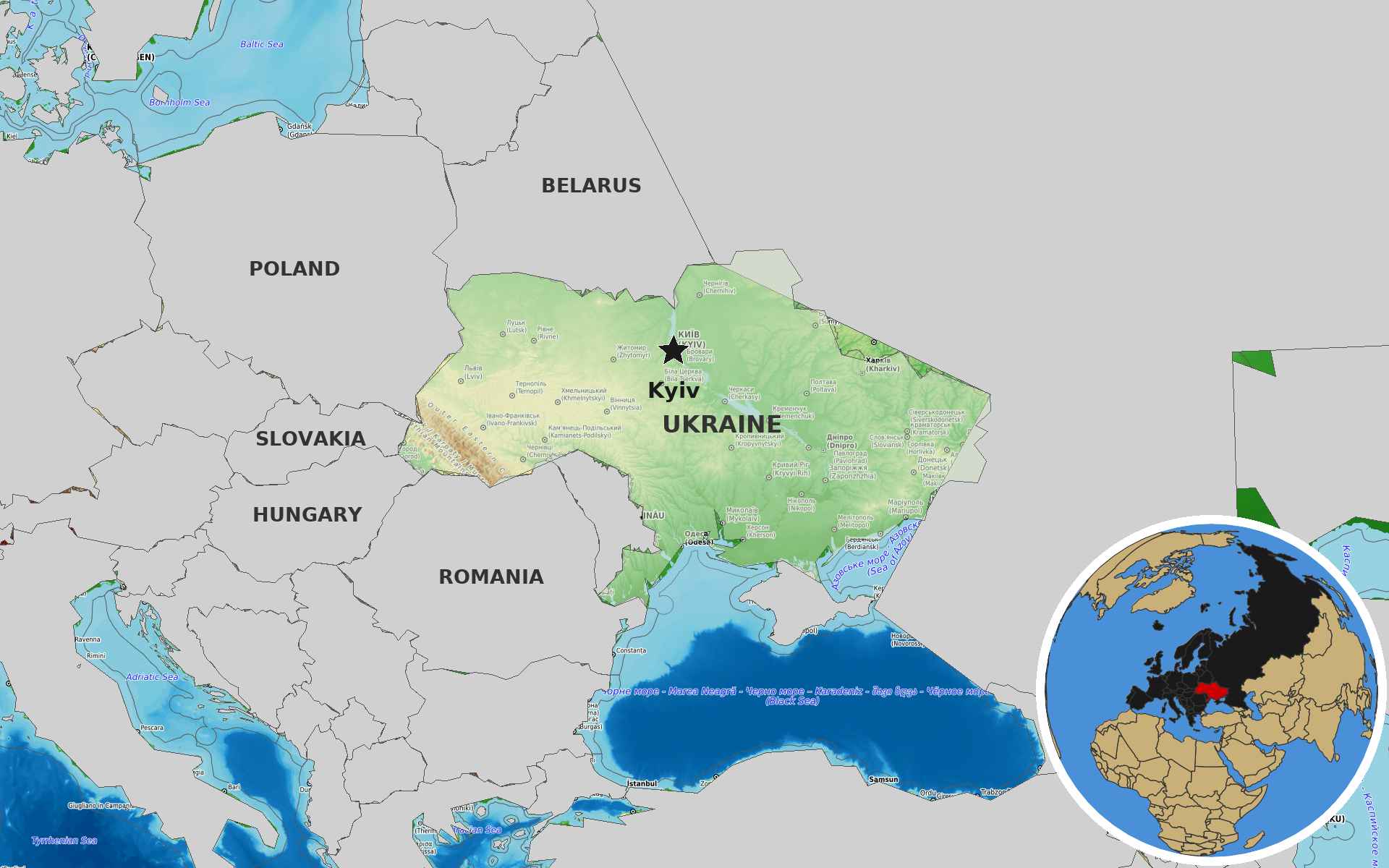
OpenTopoMap / Natural Earth – Ukraine
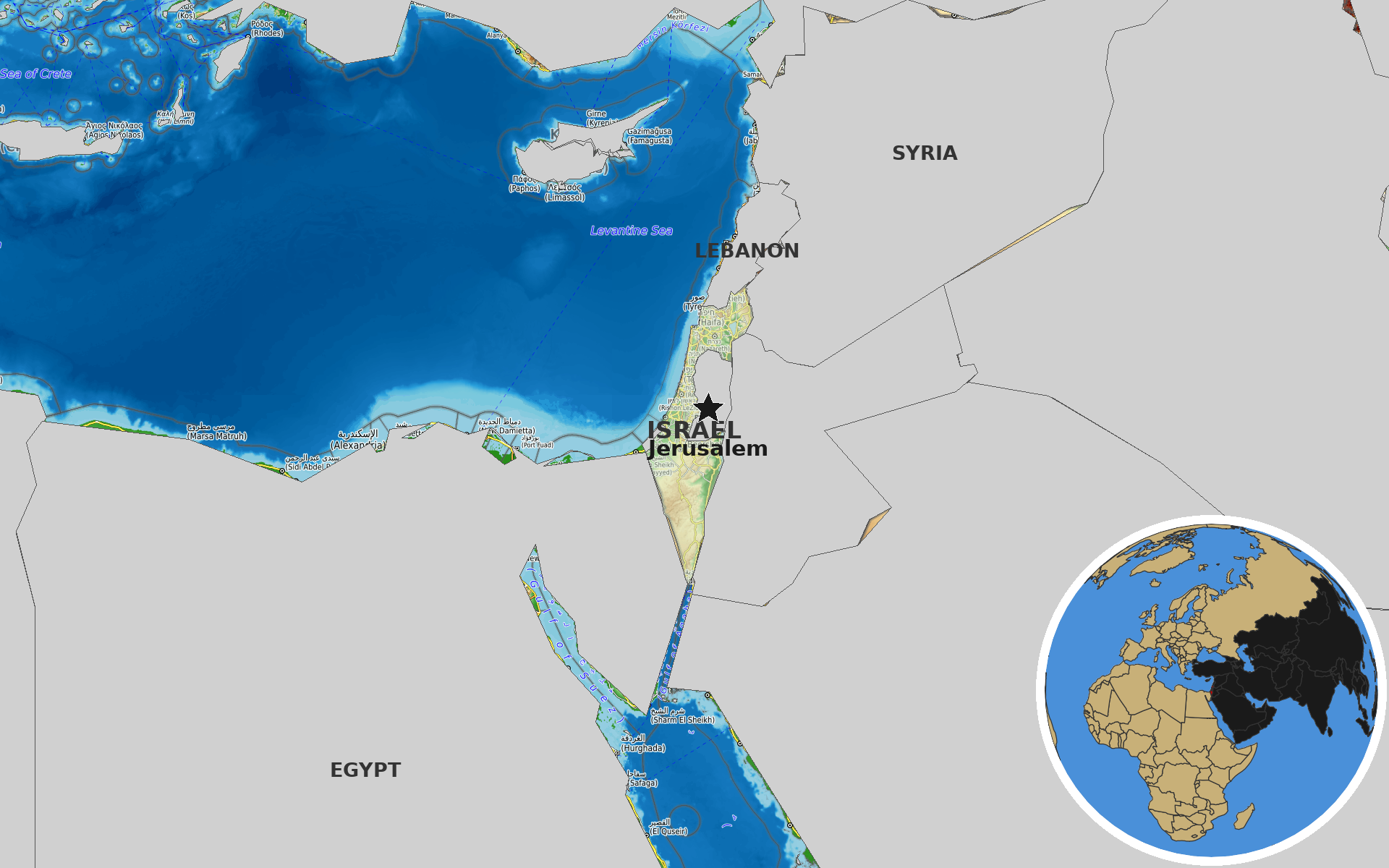
OpenTopoMap / Natural Earth – Israel
Photo by OpenTopoMap / Natural Earth – Israel