The Luxury of Living Slowly
From celebrities to young professionals, more people are rejecting hustle culture and challenging the belief that busier is always better.

DAYTON, OHIO — Slow living should not be confused with idleness or dodging responsibilities. It is actually not a life for people who lag in excellence. The work remains: family, bills, obligations, and deadlines. Rather, they are approached day to day with presence, not pressure, and intention instead of urgency. Choosing a slow life is a deliberate choice to meet life’s demands without letting them dictate one’s inner peace, meaning there is still good rest, meaningful connection, and presence.
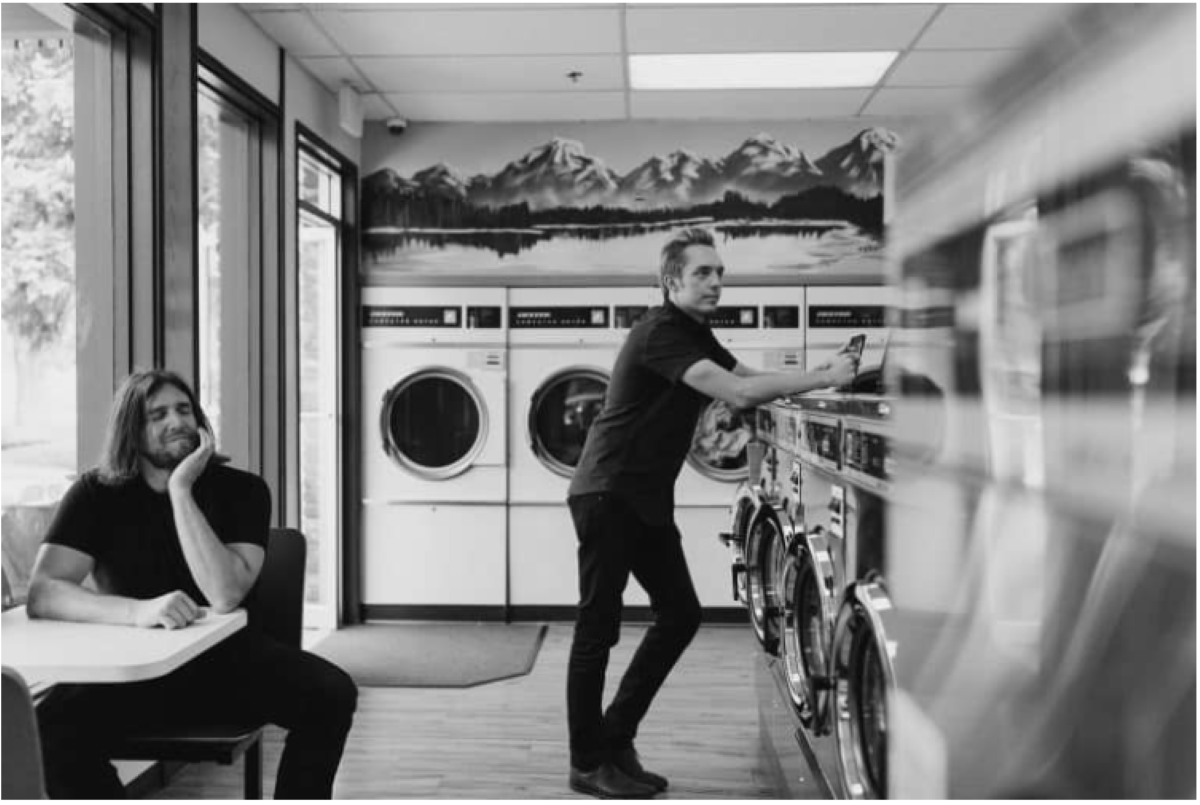
Joshua Fields Millburn and Ryan Nicodemus, the brains behind the Minimalists, are the best human models on the path of slow living. Their core philosophy is making room for more time, more passion, and more experiences. As minimalists, they encourage people to understand the importance of not just decluttering the physical, but also the emotional and mental, as the ultimate goal. To slow down, reclaim time, and break away from “hustle culture.”
Burnout is no longer an individual challenge but a collective experience. The 2025-2026 American Family Life Assurance Company (AFLAC) workforce report shows three out of four (72%) U.S. workers are going through medium to full-blown work stress, the highest percentage recorded in the last seven years. This shows that what was once embraced to bring fulfillment is turning against its pursuers.
Climbing the corporate ladder, earning six figures monthly, acquiring all the luxury, and being able to afford anything were the ultimate goals for Ryan and Fields. They were what the hustle world would call successful, but why did discontent still linger in their lives? Their long hours at work only created more anxiety, debt, frustration, stress, overwhelm, and depression. What resulted was worse: the fact that they didn’t have control of their time; thus, they could not control their lives.
They started practicing minimalism in 2009 and quit their corporate jobs in 2011, not to embrace less but more in less. More peace, more time, more creativity, more experiences, more contribution, more contentment, more freedom. Their mindset is amazing and is reflected in all their impact, and they find it all worthy.


Asian man relax and take a deep breath in a public park in Thailand on May 13, 2025 at 9:18 AM. Photo: Keeproll/Getty Images. ©Getty Images
Slow living has grown from a niche lifestyle philosophy into a response to widespread burnout, digital overload, and changing attitudes toward work. While the movement encourages people to slow down and live more intentionally, its rise is also supported by broader workplace and well-being trends.
The most compelling evidence comes from the 2025 Randstad Work Monitor, which found that, for the first time in its 22-year history, work-life balance surpassed pay as workers’ top priority, with 83% of respondents ranking it above salary. The findings suggest that people are increasingly redefining success—not by how much they earn, but by the quality of their lives.
The shift coincides with rising levels of workplace stress. According to the AFLAC Workforces Report, nearly three in four employees experience moderate to very high levels of workplace stress. At the same time, earlier findings showed that workers experiencing high burnout also reported anxiety, depression, and sleep problems.
Academic research also supports the movement. A 2024 study on “slow work” argues that the accelerating pace of modern life, increasing workloads, and constant time pressure have significant physical and psychological consequences for workers, making slower, more intentional approaches to work and life increasingly relevant.
As these pressures intensify, slow living is emerging not as an escape from responsibility but as a practical response to a culture that has long equated busyness with success
For decades, society has rewarded speed. Long working hours, overflowing calendars, and constant availability have been treated as symbols of ambition, discipline, and success. In many workplaces, slowing down is still perceived as a lack of commitment, while consumer culture continues to encourage people to earn more, buy more, and achieve more.
The slow living movement challenges those assumptions. Advocates argue that a meaningful life is not measured by productivity alone but by the quality of one’s relationships, health, and time. Rather than rejecting responsibility, they reject the idea that being constantly busy is something to aspire to.
Not everyone is convinced. Critics contend that slow living is a privilege unavailable to people juggling multiple jobs, raising families, or struggling to make ends meet. Others worry that embracing a slower pace could reduce productivity and economic growth in societies built on competition and efficiency.
Yet for people like Ryan Nicodemus, the cost of constantly chasing more proved greater than the risk of slowing down. His journey reflects a growing belief that success is not about how much one accomplishes but whether there is enough time and peace to enjoy the life being built.