Trump Directs U.S. Airlines to Fly Direct to Lebanon After Meeting Its President
Trump orders his administration to clear all U.S. carriers for direct flights to Lebanon following talks with President Joseph Aoun.

WASHINGTON D.C. — Donald Trump directed his administration to allow all U.S. airline carriers to fly directly to Lebanon, opening a route Americans have long been unable to book.
Trump tied the order to a meeting with Joseph Aoun, the president of Lebanon since January 2025, whom he credited with reshaping the small Mediterranean nation. Trump said he hoped other countries would follow the same path.
Here is the full post on Truth Social: “After meeting with the President of Lebanon, Joseph Aoun, who has done a remarkable job working to transform his Country, I am hereby directing my Administration to allow all U.S. airline carriers to fly directly to Lebanon so that Americans can easily visit this beautiful land. Hopefully, other Countries will do the same. Enjoy! Trump” on July 21, 2026 at 3:54 PM ET.
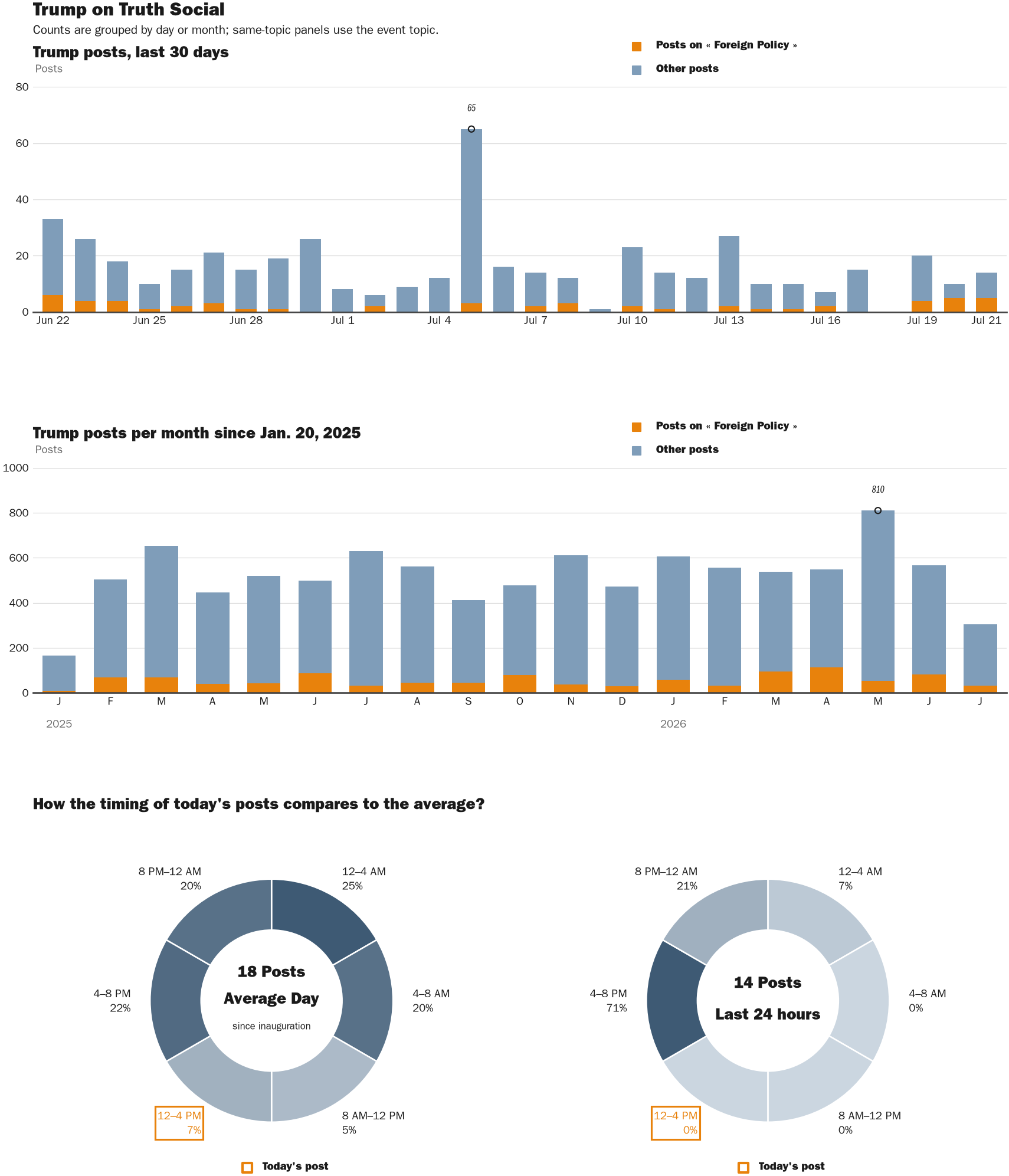
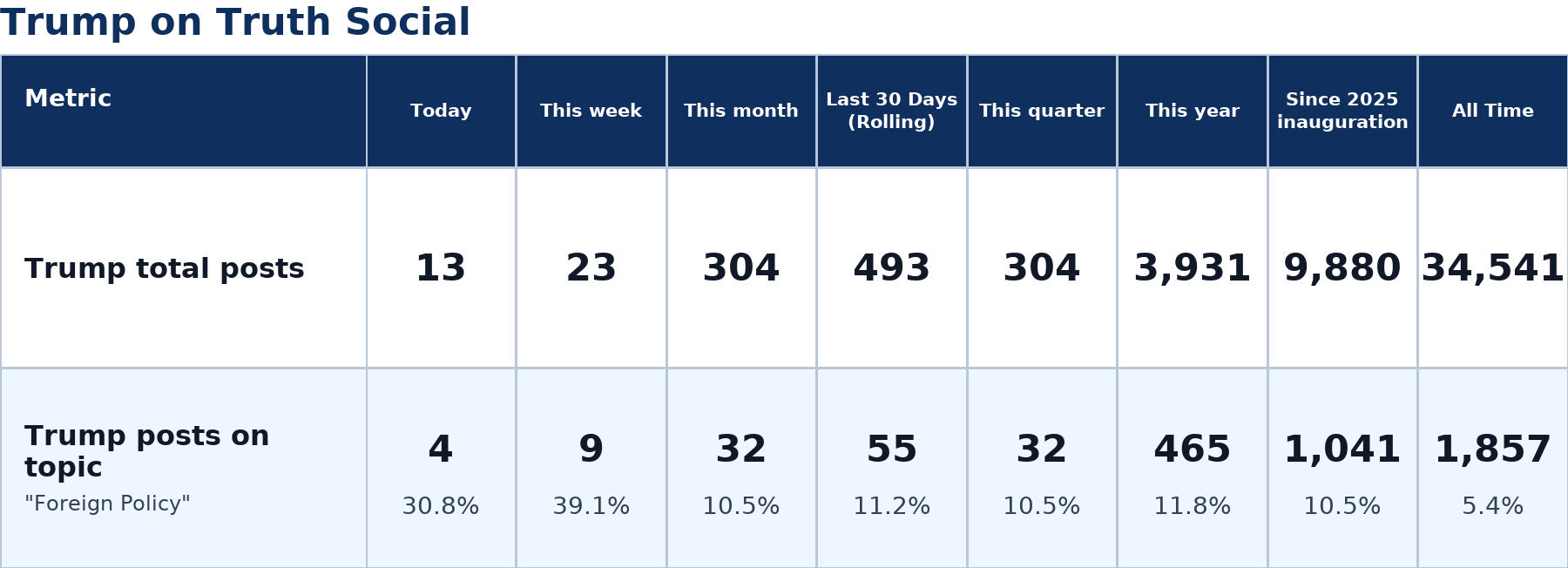
This is the first message released by Trump today. On average, Trump produces about 12 posts per day since his inauguration on January 20, 2025.
The move fits a broader pattern in Trump’s recent messaging, with 55 of his 493 posts over the last 30 days focused on foreign policy.
The directive would matter most to Lebanese-Americans, one of the larger Arab-American communities in the country, and to travelers who now route through Europe or the Gulf to reach Beirut. A direct link would cut travel time and cost while signaling that Washington views the country as safe enough for commercial service. Airlines would gain a new market, while carriers in transit hubs could lose connecting traffic.
Direct passenger service between the United States and Lebanon has been effectively dormant for decades, with no scheduled nonstop commercial flights linking the two countries. Beirut-Rafic Hariri International Airport remains the country’s sole international gateway, and most U.S.-bound passengers connect through Frankfurt, Istanbul, Paris, or Doha. Restoring a nonstop link would require security coordination between U.S. and Lebanese aviation authorities before any carrier could sell tickets.
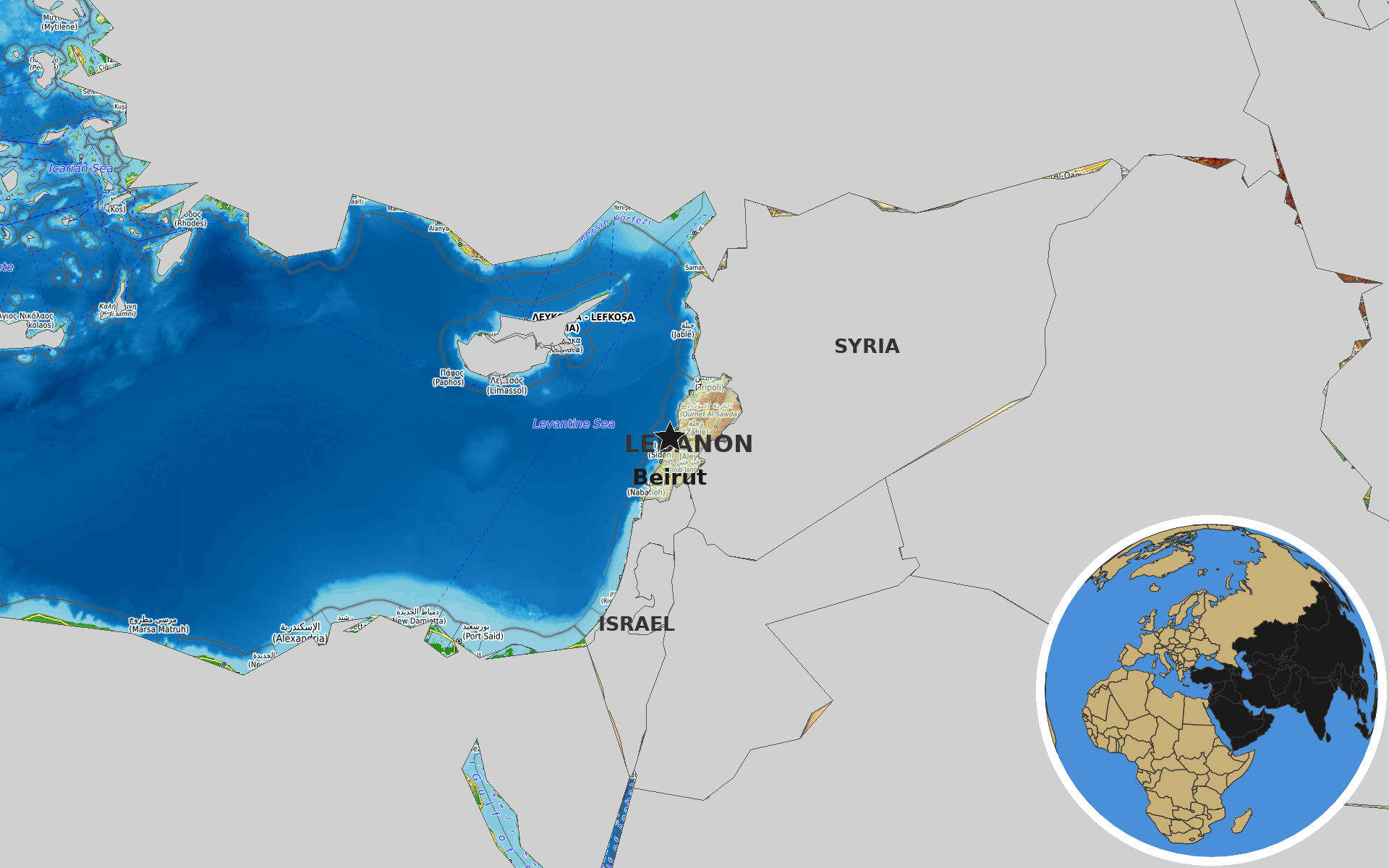
The scale of the gesture is modest against the map of U.S. aviation, where dozens of countries already host nonstop American service. Lebanon, a nation of roughly 5 million people, is smaller than many single U.S. metropolitan areas, yet a direct route carries outsized symbolic weight for a country emerging from years of financial crisis and conflict.
For the average U.S. reader, the immediate effect is limited unless they have family in Lebanon or plan to travel there. Should carriers launch service, it could shorten a trip that today often exceeds a full day of flying and layovers, and it would place Beirut on the list of destinations bookable on a single itinerary.
This has happened before in the sense that presidents have used aviation access as a diplomatic reward. Washington has restored or expanded air links with countries after warming relations, treating landing rights and direct service as tangible signs of trust.
The next step rests with the Federal Aviation Administration and the Department of Transportation, which would need to clear safety and security requirements before any airline could begin nonstop flights. A date for that decision has not been announced.
Aviation has long served as a barometer of Beirut’s fortunes, as has happened before. Beirut-Rafic Hariri International Airport, named for the former prime minister assassinated in 2005, was shelled and shut during the 1975-1990 civil war and again saw its runway struck in the 2006 conflict. Each time, the airport reopened and traffic returned, and each reopening marked the country’s slow climb back toward normal commercial life.

NewsFindr Chart Maker
Photo by Zenger real-time database of all Truth Social posts.
Zenger analysis
Photo by Zenger analysis
OpenTopoMap / Natural Earth – Lebanon