Trump Touts Japan Trade Deal, Says It Erases the Deficit
Trump promotes a Japan trade and investment pact that he says opens markets, raises tariff revenue and eliminates a $70 billion deficit.

WASHINGTON D.C. — Donald Trump declared a trade and investment agreement with Japan a durable win, saying it would open Japanese markets and wipe out a $70 billion deficit. Trump shared a one-page briefing chart laying out the terms and the projected gains. Japan ranks among the world’s largest trading nations and top international investors (see wikipedia.org). The pact, as Trump presented it, pairs lower tariffs with sweeping new access to Japan’s economy.
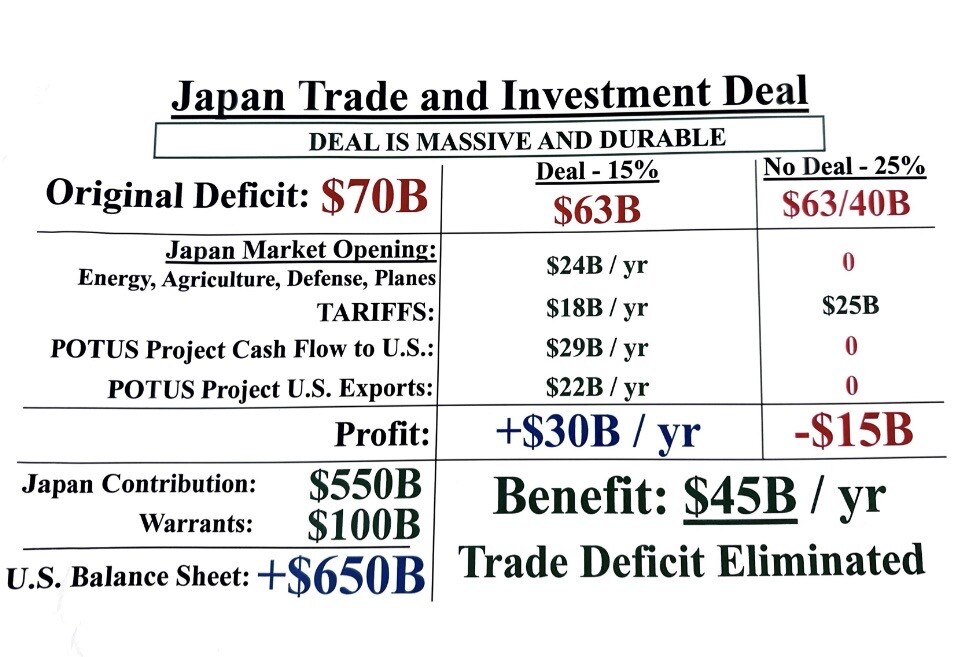
The chart contrasts a “Deal” scenario carrying a 15% rate against a “No Deal” scenario at 25%. Under the deal, Trump projected $24 million per year in Japanese market opening across energy, agriculture, defense and planes, $18 million per year in tariffs, and a $550 million Japanese contribution, figures the chart rendered in billions. He listed a projected annual profit of $30 billion and a U.S. balance sheet gain of $650 billion, with the label “Trade Deficit Eliminated.”
Here is the full post on Truth Social: “Japan Trade and Investment Deal DEAL IS MASSIVE AND DURABLE Deal -15% Original Deficit: $70B $63B No Deal 25% $63/40B Japan Market Opening: $24B/yr 0 Energy, Agriculture, Defense, Planes TARIFFS: $18B/yr $25B POTUS Project Cash Flow to U.S.: $29B/yr 0 POTUS Project U.S. Exports: $22B/yr 0 Profit: +$30B/yr -$15B Japan Contribution: Warrants: $550B Benefit: $45B / yr $100B U.S. Balance Sheet: +$650B Trade Deficit Eliminated” on July 14, 2026 at 10:30 AM ET.
This is the first message released by Trump today. On average, Trump produces about 18 posts per day since his inauguration on January 20, 2025.

The White House stands in Washington, D.C., on 07/14/2026. President Donald J.
Wikimedia Commons / Wikimedia Foundation
© copyright Zenger.News
The stakes fall along familiar lines. Exporters in energy, agriculture, defense and aircraft stand to gain if Japan opens its markets as the chart claims. Japanese manufacturers and consumers would absorb higher costs from tariffs, while U.S. importers and buyers could face steeper prices on Japanese goods. The chart frames the outcome as a net benefit for the U.S. Treasury and American producers.
Trade friction between Washington and Tokyo runs deep. Japan posted chronic trade and current account deficits through the 1950s, then swung to rapidly rising surpluses in the 1980s that drew U.S. demands to open its markets (see wikipedia.org). Japan’s imports and exports totaled the equivalent of nearly $1.3 trillion in 2017, ranking it the world’s fourth-largest trading nation behind China, the United States and Germany (see wikipedia.org).
For the average U.S. reader, the numbers on the chart translate into potential price shifts. Tariffs raise the cost of imported cars, electronics and parts, and those costs often reach shoppers. Any offsetting gain depends on whether Japan buys more American energy, farm goods and planes as projected.
President Donald J. Trump shared a chart detailing the Japan Trade and Investment Deal at WASHINGTON D.C.
Margo Martin / X (formerly Twitter)
© copyright Zenger.News
Has this happened before? This has happened before. Trump made tariff leverage a signature of his trade approach, and the chart mirrors earlier presentations touting deals as balance-sheet wins. Over the last 30 days, 5 of 541 Trump posts touched on the tariffs topic.
The next move rests with negotiators and lawmakers who would need to finalize and implement any agreement. A date for a decision has not been announced.
U.S.-Japan trade disputes are not new to the postwar era. In the 1980s, mounting Japanese surpluses triggered U.S. pressure that culminated in the 1985 Plaza Accord, when major economies agreed to weaken the dollar against the yen (see wikipedia.org). The yen rose sharply in the years that followed, yet Japan’s surpluses resisted the shift (see wikipedia.org). Even after Japan opened further to imports, the underlying trade tensions endured for decades.
The move fits a broader pattern in Trump’s recent messaging, with 5 of his 541 posts over the last 30 days focused on tariffs.
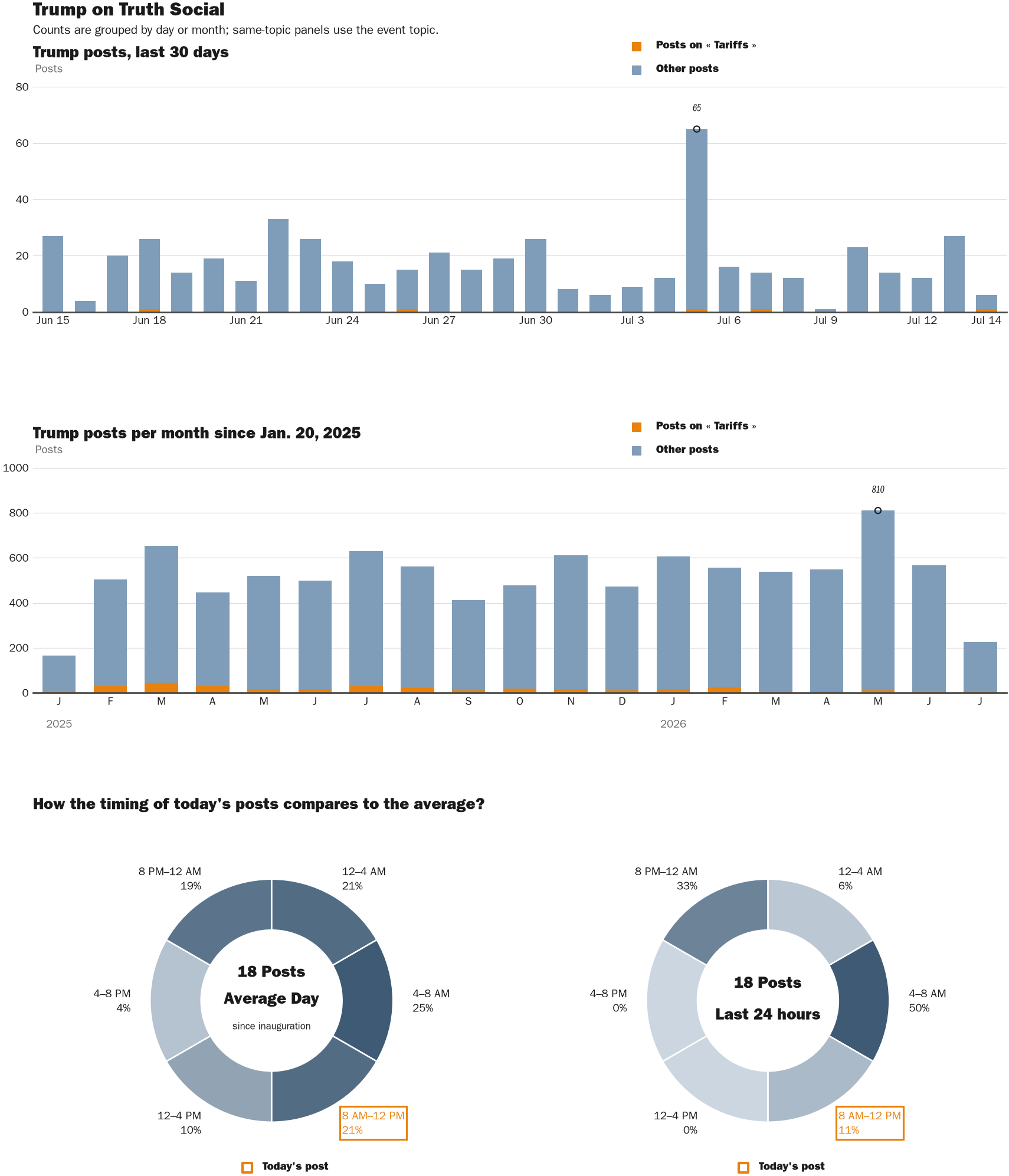
Source: Zenger real-time database of all Truth Social posts.
Note: Chart generated on July 14, 2026 at 10:34 AM ET
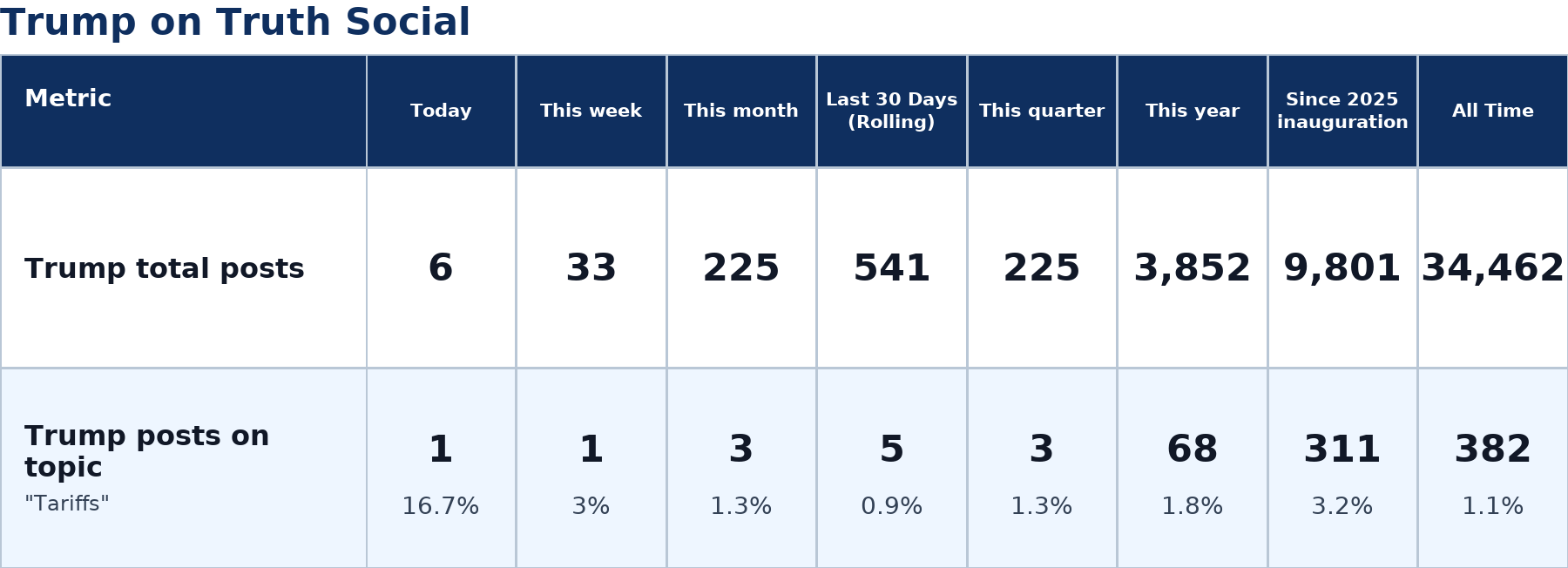
Source: Zenger analysis real-time database of all Truth Social posts
Note: Table generated on July 14, 2026 at 10:34 AM ET
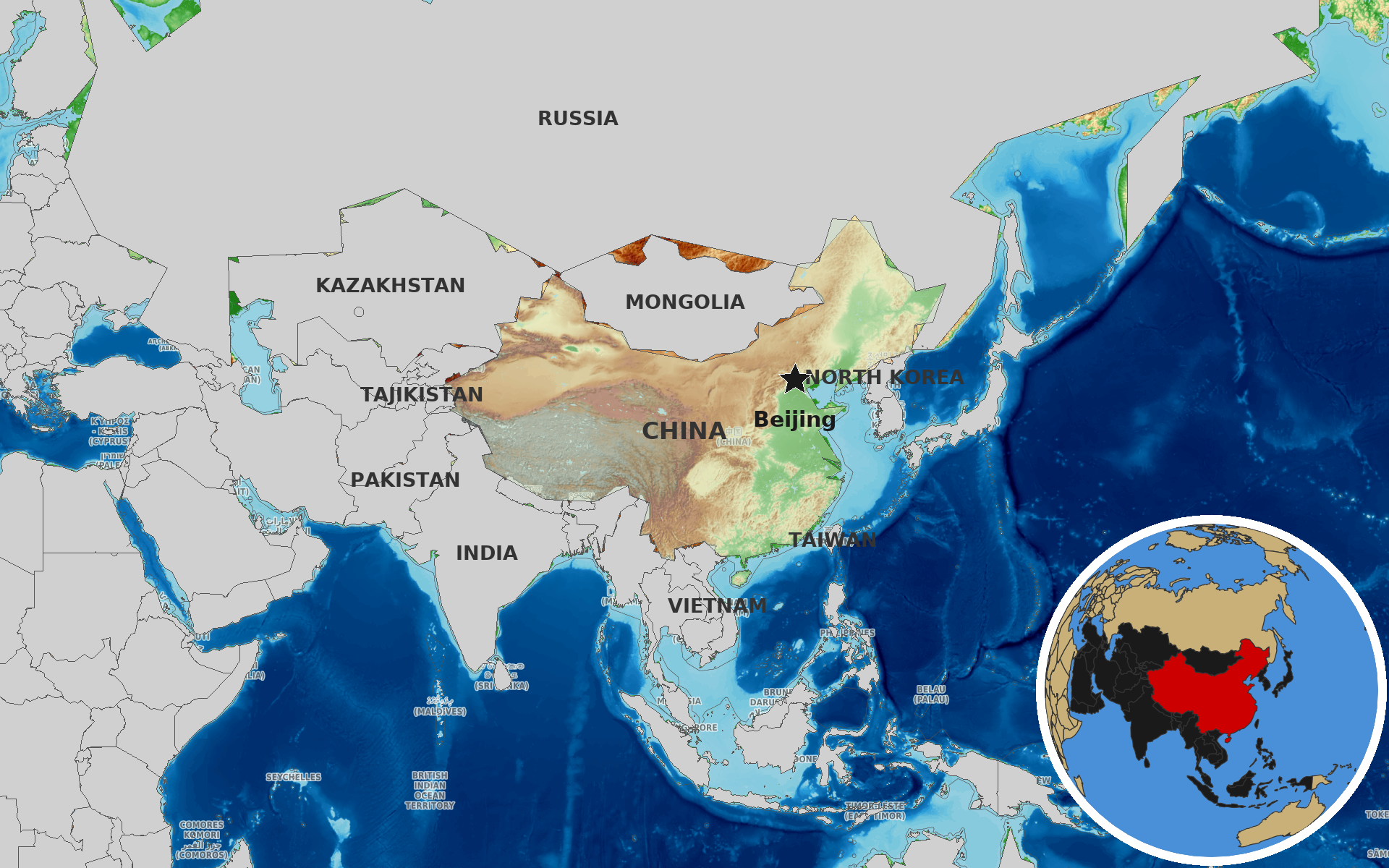
Source: OpenTopoMap / Natural Earth – China
Note: Map generated by NewsFindr for China on July 14, 2026 at 10:37 AM ET
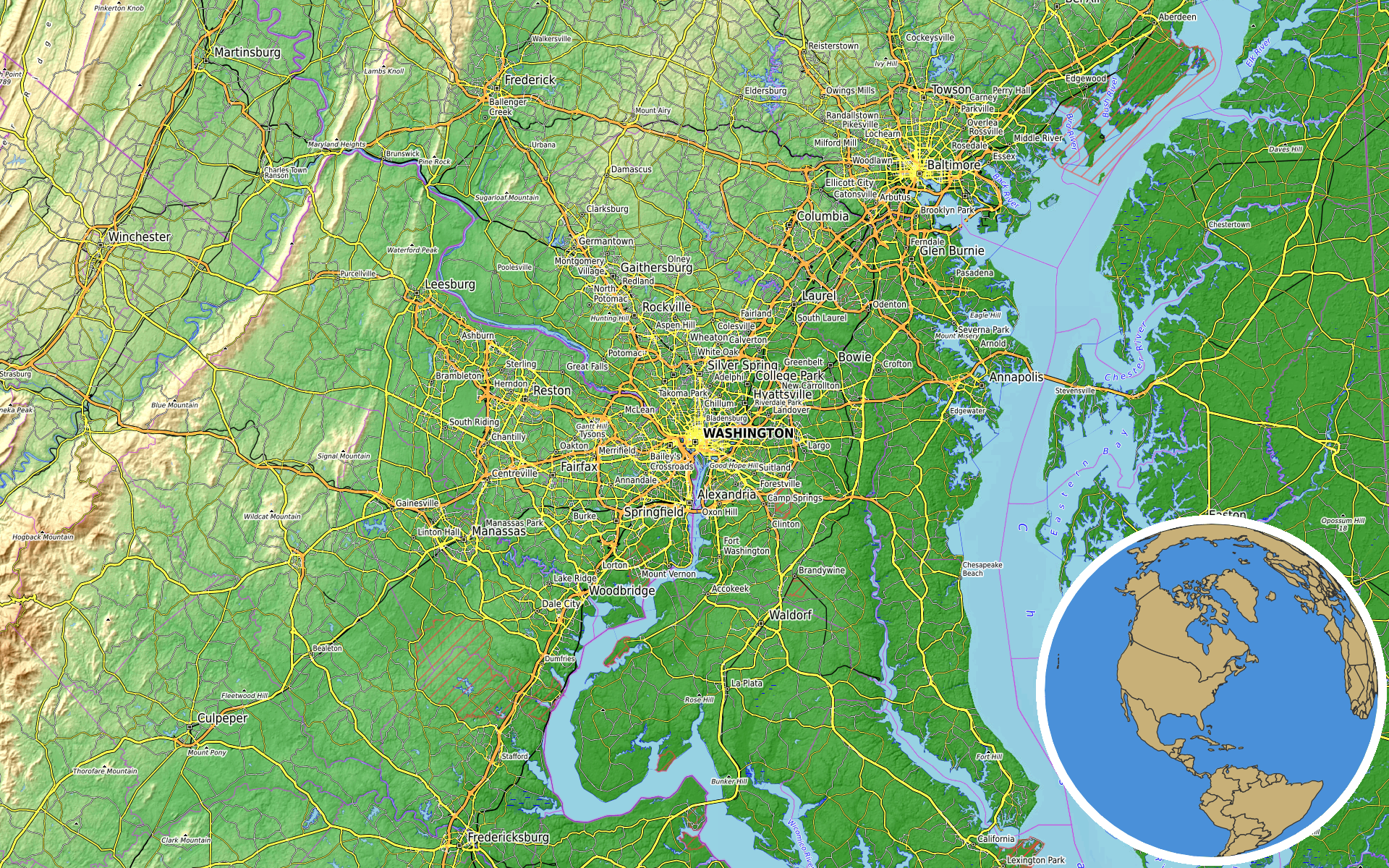
Source: OpenTopoMap / Natural Earth – Washington
Note: Map generated by NewsFindr for Washington on July 14, 2026 at 10:37 AM ET
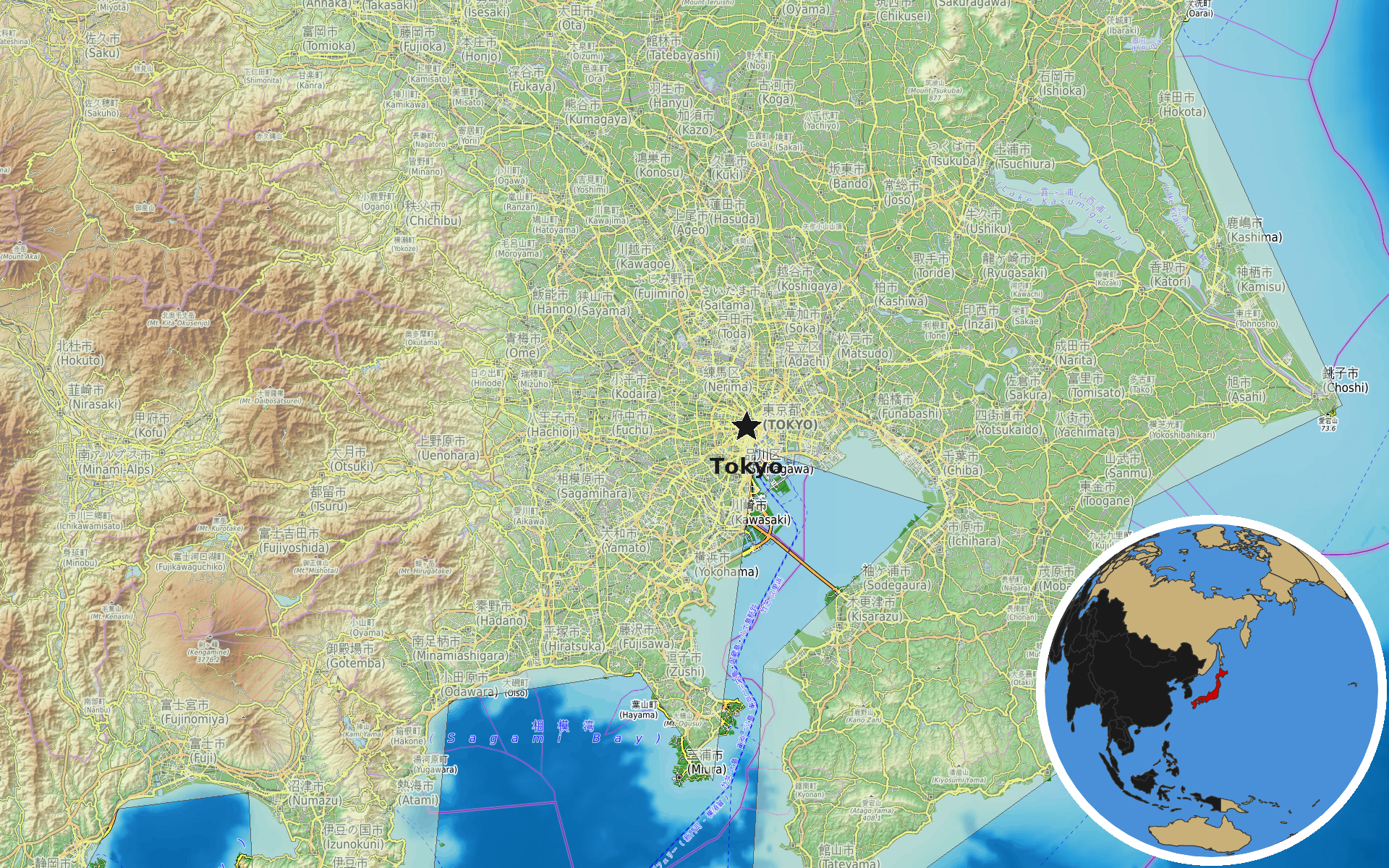
Source: OpenTopoMap / Natural Earth – Tokyo
Note: Map generated by NewsFindr for Tokyo on July 14, 2026 at 10:37 AM ET