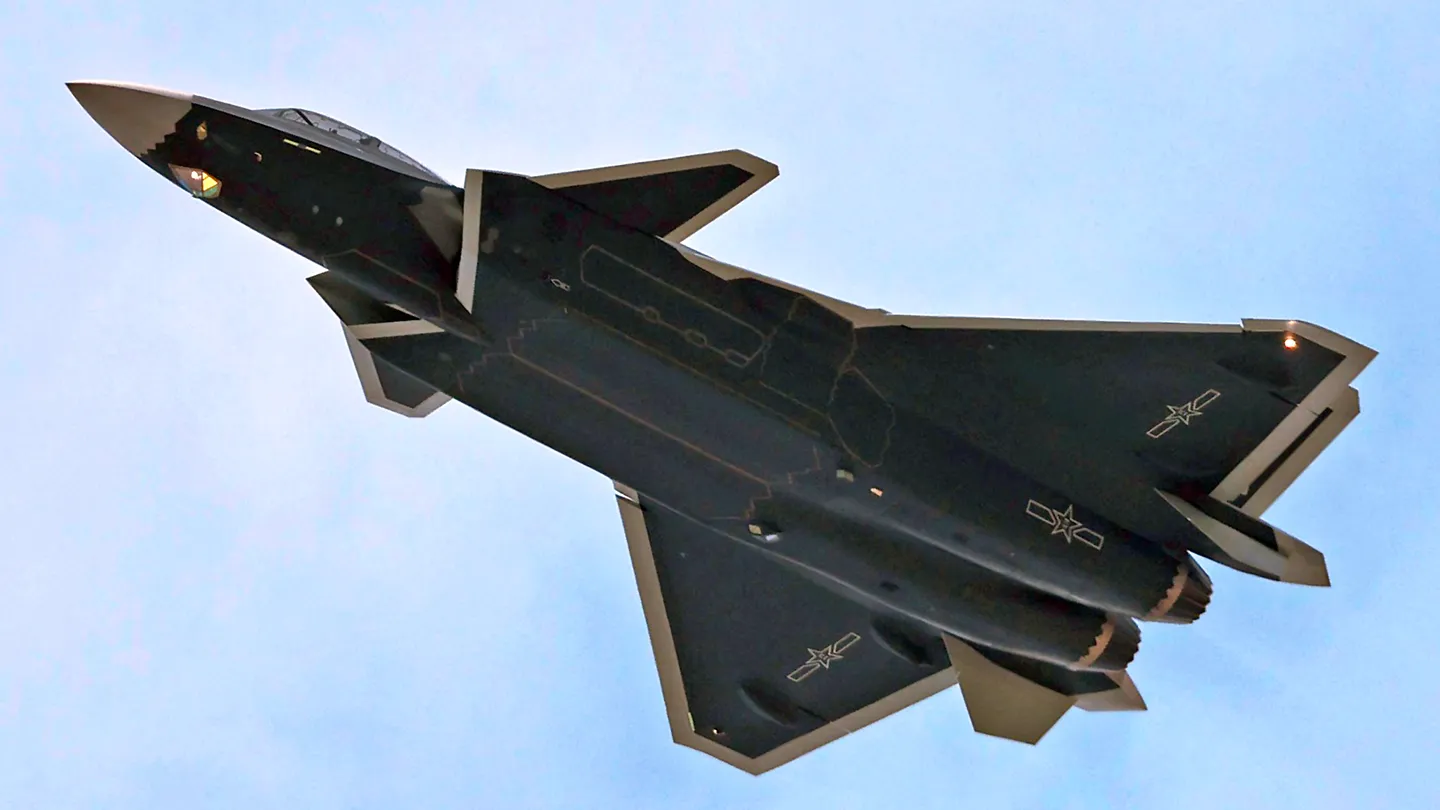
China’s stealth expansion across the roof of the world
Satellite images reveal 11 J-20 stealth fighters deployed at two Himalayan airbases, marking the largest such buildup ever observed near India's border.

CHINA — Newly released satellite imagery shows China has deployed eleven J-20 stealth fighters at two airbases near India’s border.
The J-20 sits under a canopy at 4,000 meters, wings swept back, skin dark and angular. It’s built to disappear from radar screens the moment it wants to.
Pilots who fly it call it “Weilong”, Mighty Dragon. It doesn’t sleep or hesitate. For the first time this month, eleven of them were photographed sitting wing to wing at two airbases facing India.
The balance of power along the Line of Actual Control was at least legible, until eleven Chinese J-20 stealth fighters appeared together at two airbases this month.
India’s response to the AMCA fifth-generation fighter is a good ten years away. This means that its pilots will have to make up for the shortfall not with equal technology, but with obsolete aircraft, electronic jamming pods, and air defense systems.
What’s at stake isn’t territory; it’s warning time, the 245 kilometers that once gave an Indian squadron minutes to scramble now compress toward the point where the first sign of a stealth fighter could be its arrival.
That’s the real conflict: not a battle already being fought but the quiet weight of a widening gap, and the years it will take one side to close it.
For India’s Ministry of Defense and the DRDO, the AMCA’s delay raises hard accountability questions that taxpayers have a right to ask: Why has the fifth-generation fighter program moved so slowly while China’s J-20 fleet multiplied nearly eightfold in the same span?
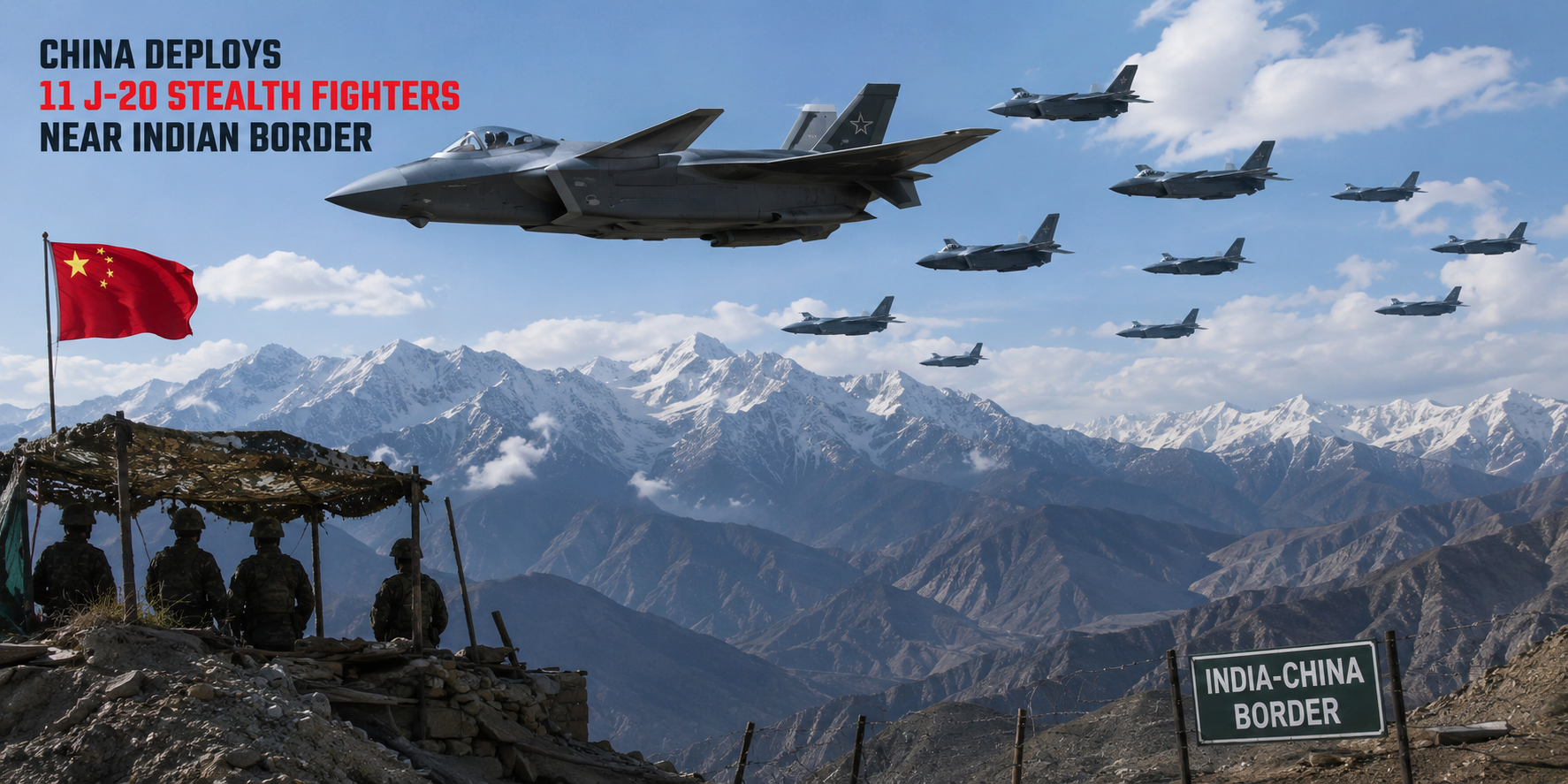

China deploys in Indian boarder on July 27, 2026 at 10:01 AM
Taxpayers paying the price for emergency measures like Rafale purchases, S-400 deployment, and advanced jamming pods need to know if all of this is really meant to cover the gap or whether it continues to be a price paid for a project that fails to meet deadlines.
Have oversight organizations pressed DRDO and the Indian Air Force on production delays as defense experts have?
If pilots deployed on the frontline are being forced to plug the gap through training and strategy rather than through technology, then citizens need to know whether this is a good solution or not in the short term.
What follows will depend on timeframes that have been set in motion. China’s production of the J-20 jet fighter is expected to continue increasing until it hits 1,000 jets by 2030.
India’s AMCA is still years away from its maiden flight, not to mention entering service. Note the efforts made by India, especially in making more interim acquisitions, such as the proposed purchase of 114 jets from Dassault.
The pressures placed by the Indian Air Force or even Parliament in ensuring transparency in the schedule of the AMCA.