Power at the polls as Trump’s election shake-up sparks national debate
Changes to a key federal election body ignite concerns over presidential authority, oversight, and trust in the voting system.

WASHINGTON — A fresh political storm is gathering in Washington, where decisions surrounding the nation’s election systems have once again placed US President Do nald Trump a t the center of a heated national debate. What began as an effort to reshape how a key federal election body operates has quickly evolved into a broader argument about power, trust, and the boundaries of presidential authority.
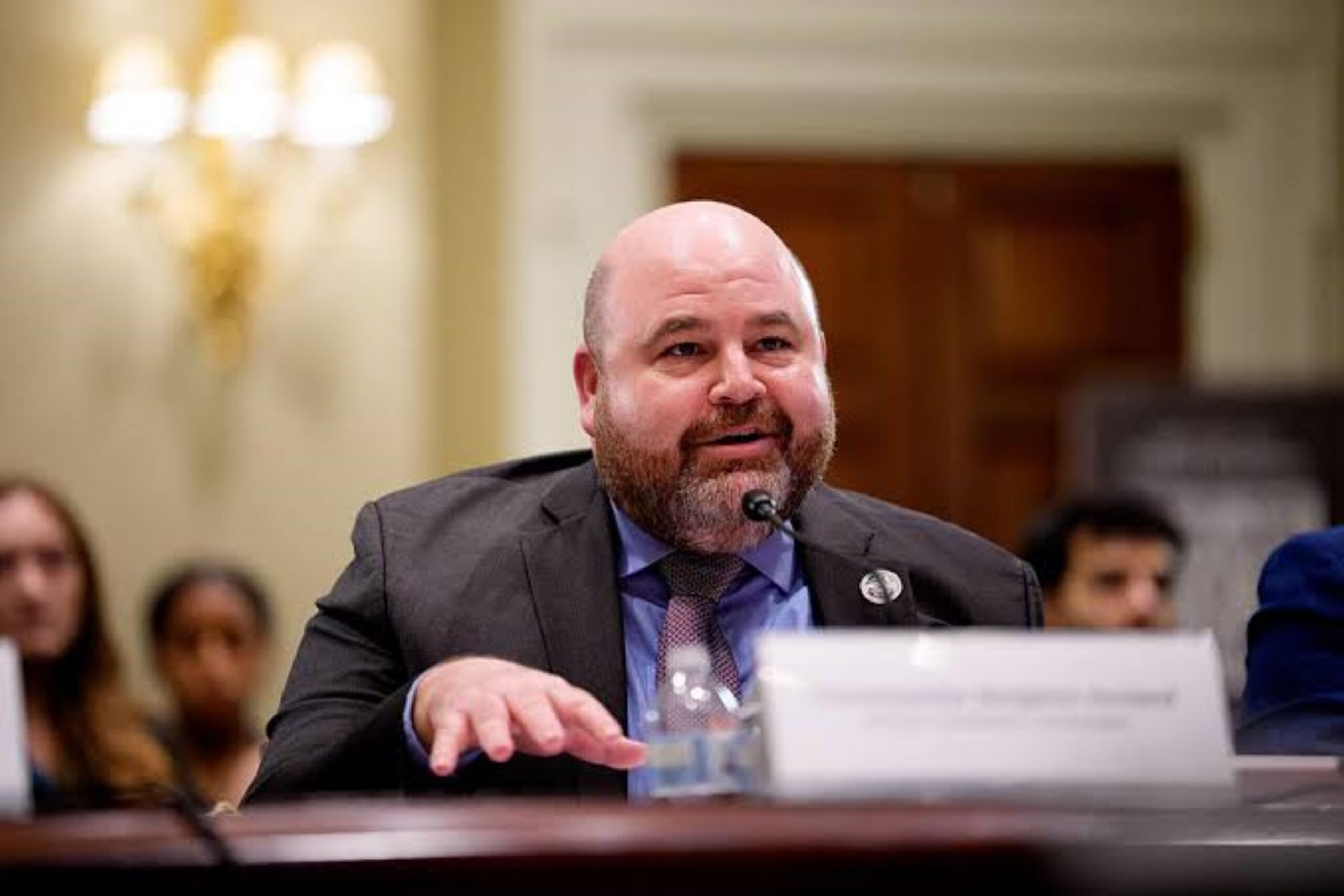
President Donald Trump pushed out three members of the Election Assistance Commission four months before the midterm elections, a move that effectively weakened the independent body responsible for overseeing aspects of the nation’s election system. Those pushed out included Democratic commissioners Thomas Hicks and Benjamin Hovland, while Republican commissioner Christy McCormick stepped down. Their departures followed the earlier resignation of fellow Republican Donald Palmer in April, leaving the commission with multiple vacancies just months before a critical national vote.
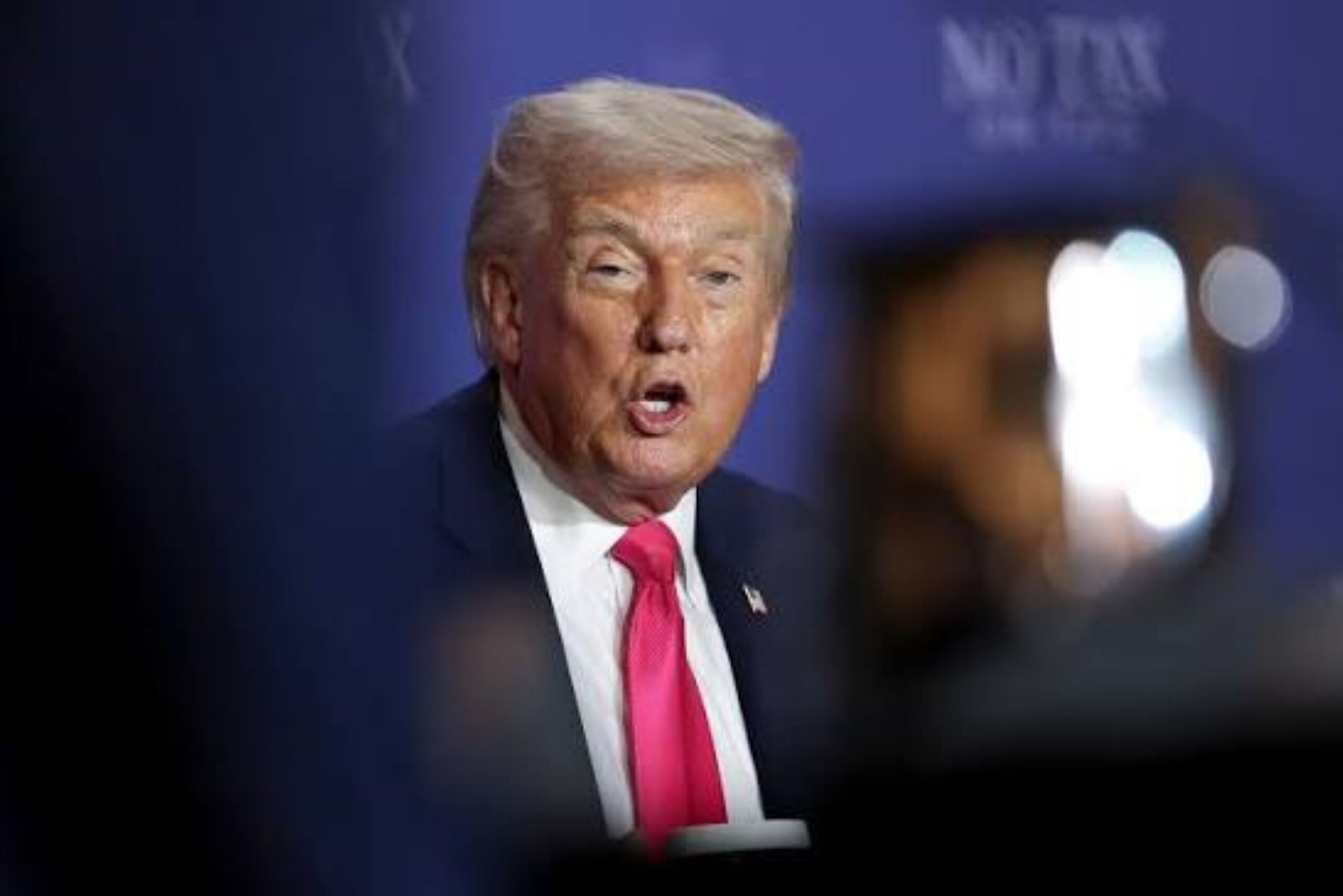

President Donald Trump fires two commissioners while two stepped down leaving the commission with few members in Washington D.C, on July 9, 2026 at 11:33 AM. Photo: Win McNamee/Getty Images. © Getty Images
The controversy stems from moves that critics say could alter the balance between political leadership and institutional independence. The issue is the role of the Election Assistance Commission, an agency designed to support election administration while remaining insulated from partisan pressure. Trump’s allies argue that, as the president, he has both the mandate and the responsibility to ensure such agencies align with broader national priorities, particularly on matters tied to election integrity.
The opposing parties see it differently. For them, the concern is less about policy and more about precedent. They warn that increasing presidential influence over election-related institutions could erode public confidence in a system expected to be neutral. In a political climate already marked by deep divisions, even the perception of interference can carry lasting consequences.
What makes this moment especially significant is its timing. With major elections on the horizon, any shift in how election systems are guided or overseen is bound to attract reviews. Lawmakers, legal experts, and advocacy groups are now weighing in, some calling for clearer limits on executive power, others defending the need for decisive leadership in a complex and often fragmented electoral landscape.
“The President has to lead. That's the job. But you are also making sure everything is done legally and correctly. There is a balance, and I think we are striking it very well. At the end of the day, it's about protecting the country and making sure our elections are the best they can be," said President Trump in an interview.”
Beyond the immediate political fallout, the situation raises a larger question that extends well beyond a single administration. A big question lingers on how much control should any president in the world have over the mechanisms that underpin democracy itself? The answer is unlikely to come quickly or easily. But as this debate unfolds, it is already shaping the conversation about the future of governance in the United States as one where the lines between authority and independence are being tested in real time.