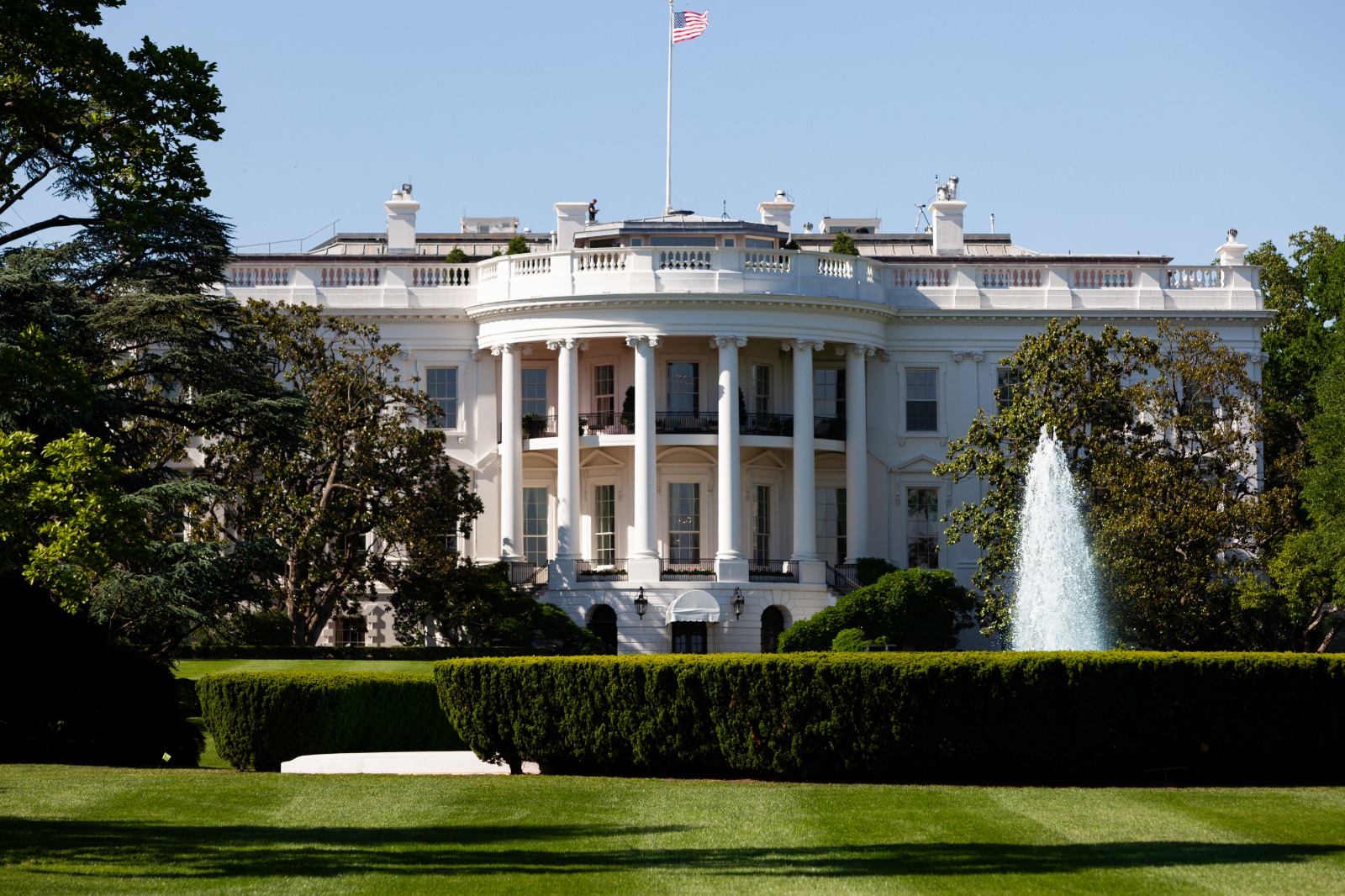
Trump Claims Hormuz Oil Volumes are BACK in Truth Social Graphic
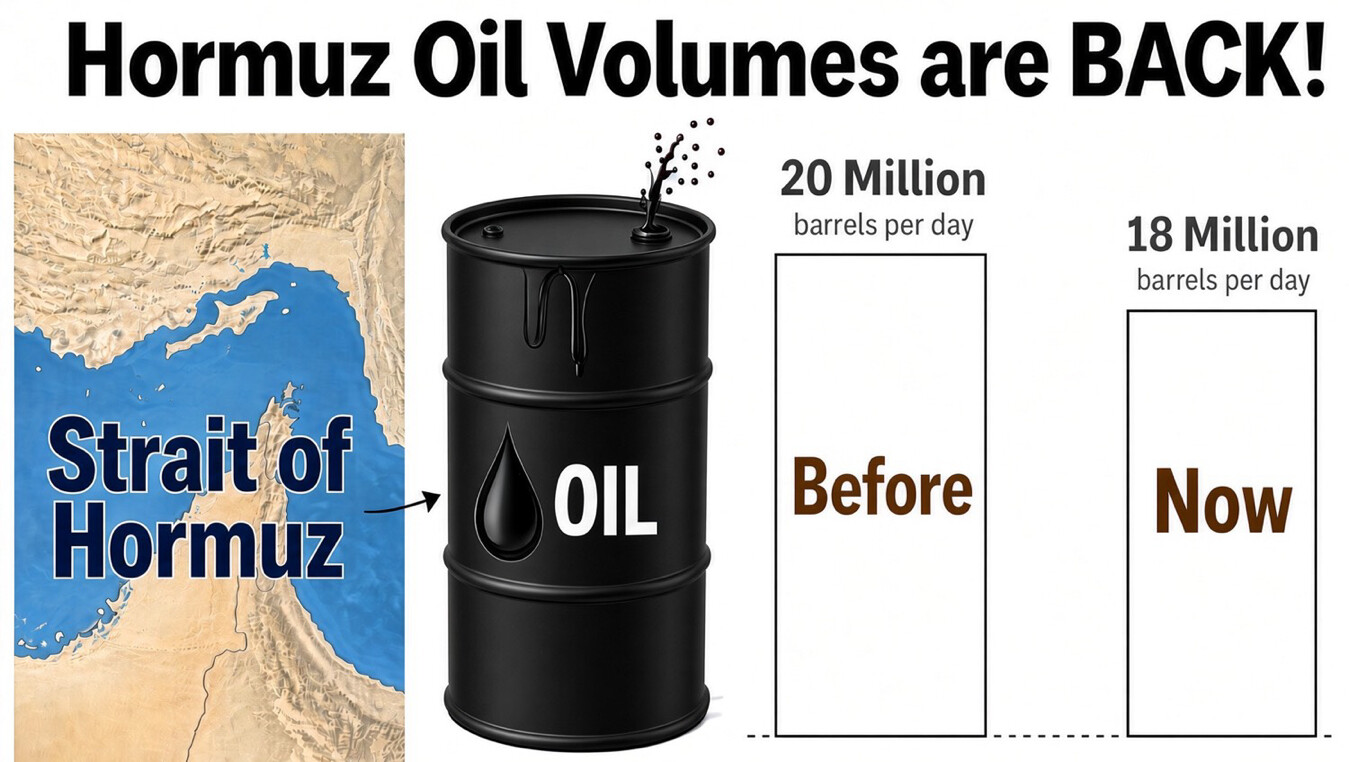
Trump posts an infographic asserting oil flows through the Strait of Hormuz have recovered to 18 million barrels per day, down from 20 million before recent conflict.

WASHINGTON D.C. — Donald J. Trump claimed that oil volumes through the Strait of Hormuz have recovered, posting an infographic on Truth Social that pegged current flows at 18 million barrels per day against 20 million barrels before recent conflict.
The graphic contrasted a “Before” figure of 20 million barrels per day with a “Now” figure of 18 million barrels per day. It framed the shift as a rebound in one of the world’s most important energy corridors. Both comparison bars appear the same size in the image despite representing different figures. The post carried no external sourcing for the numbers.
Here is the full post on truthsocial: “Hormuz Oil Volumes are BACK! 20 Million barrels per day 18 Million barrels per day Strait of Hormuz OIL Before Now” on September 3, 2026 at 7:10 AM ET.
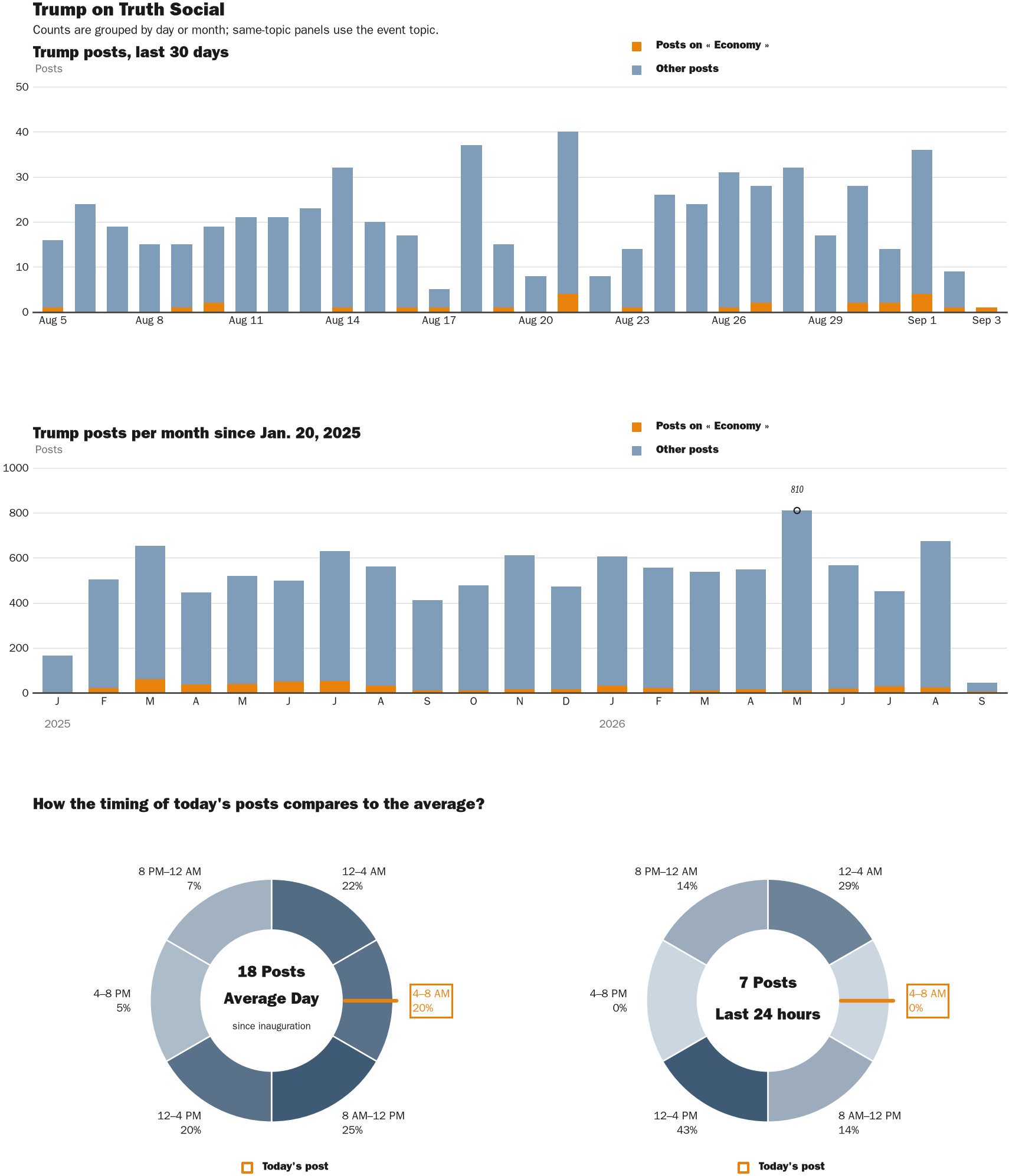
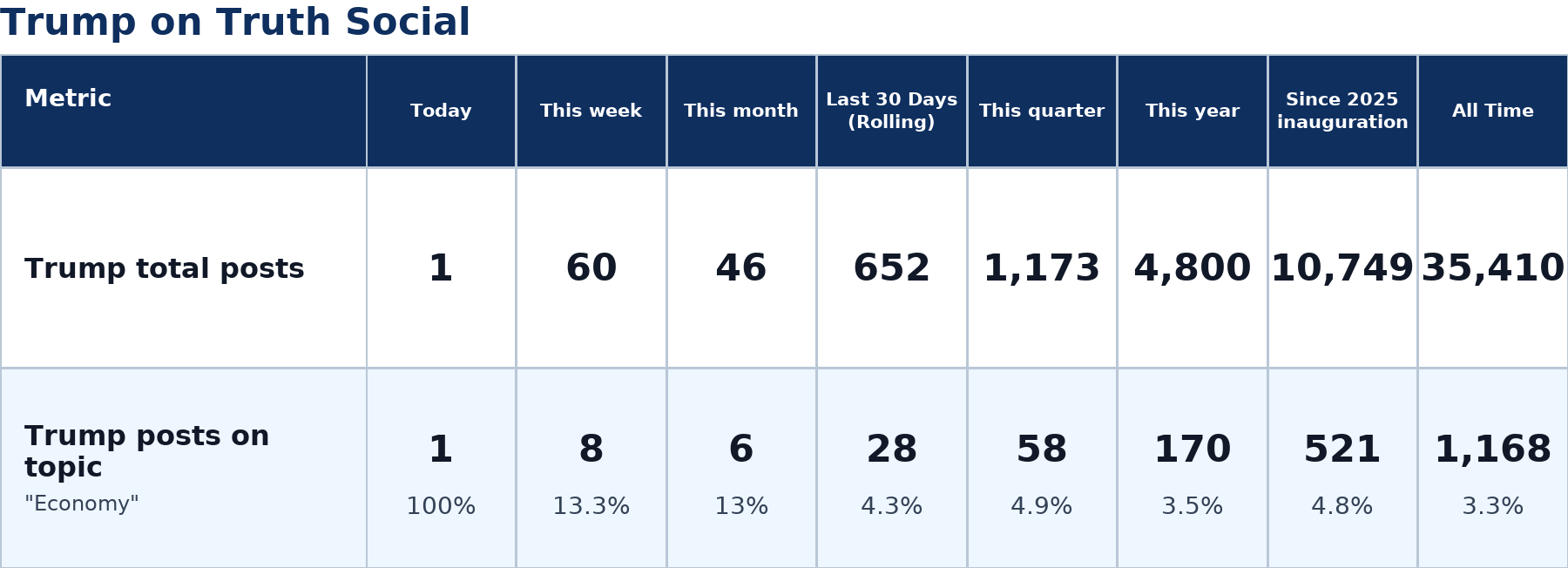
This is Trump’s first message released today, and the last post was seven hours ago, and it is not part of a thread. On average, Trump produces 18 posts per day since his inauguration on January 20, 2025. The move fits a broader pattern in Trump’s recent messaging, with 28 of his 652 posts over the last 30 days classified as Economy posts.
The Strait of Hormuz, located between Oman and Iran, connects the Persian Gulf with the Gulf of Oman and the Arabian Sea. It is the world’s most important oil chokepoint because large volumes of oil flow through it, according to eia.gov. Its oil flow averaged 21 million barrels per day in 2022, or the equivalent of about 21% of global petroleum liquids consumption, according to eia.gov.

Former President Donald J. Trump displays an infographic on Truth Social at WASHINGTON D.C.
© copyright Zenger.News
Independent estimates published before the post placed flows well below the figures shown in the graphic. About 6 million to 8 million barrels a day of crude were moving through the chokepoint as of late August, based on estimates from oil traders monitoring cargo activity, according to Yahoo! Finance. Those volumes remained at roughly half prewar levels, and two freighters were struck earlier that week, a reminder that transit still carried significant peril, according to finance.yahoo.
Shipping through the strait faltered after the United States and Iran exchanged fire in the waterway. Oil prices rose after the exchange, with the global Brent benchmark climbing almost 3% to nearly $103 a barrel at one point before falling back to around $100, according to bbc. Before the conflict began, oil traded at around $70 a barrel, according to bbc.
The strait matters to Iran’s economy as much as to global buyers. Iran exports about 2.6 million barrels of oil per day, and oil export revenues account for some 85% of all Iranian government revenue, according to strausscenter. Roughly 90 percent of Iran’s oil exports pass through the Strait of Hormuz each year, according to strausscenter.
Economists have weighed proposals to keep the waterway open. A transit toll on the strait would fall overwhelmingly on the Gulf states that supply the oil, with those states paying around 85 percent of the toll cost while the rest of the world bears a small fraction, according to bruegel. Even the Gulf states would fare better than in a conflict situation in which their oil exports have stopped, according to bruegel.
NewsFindr Chart Maker
Photo by Zenger real-time database of all Truth Social posts.
Zenger analysis
Photo by Zenger analysis
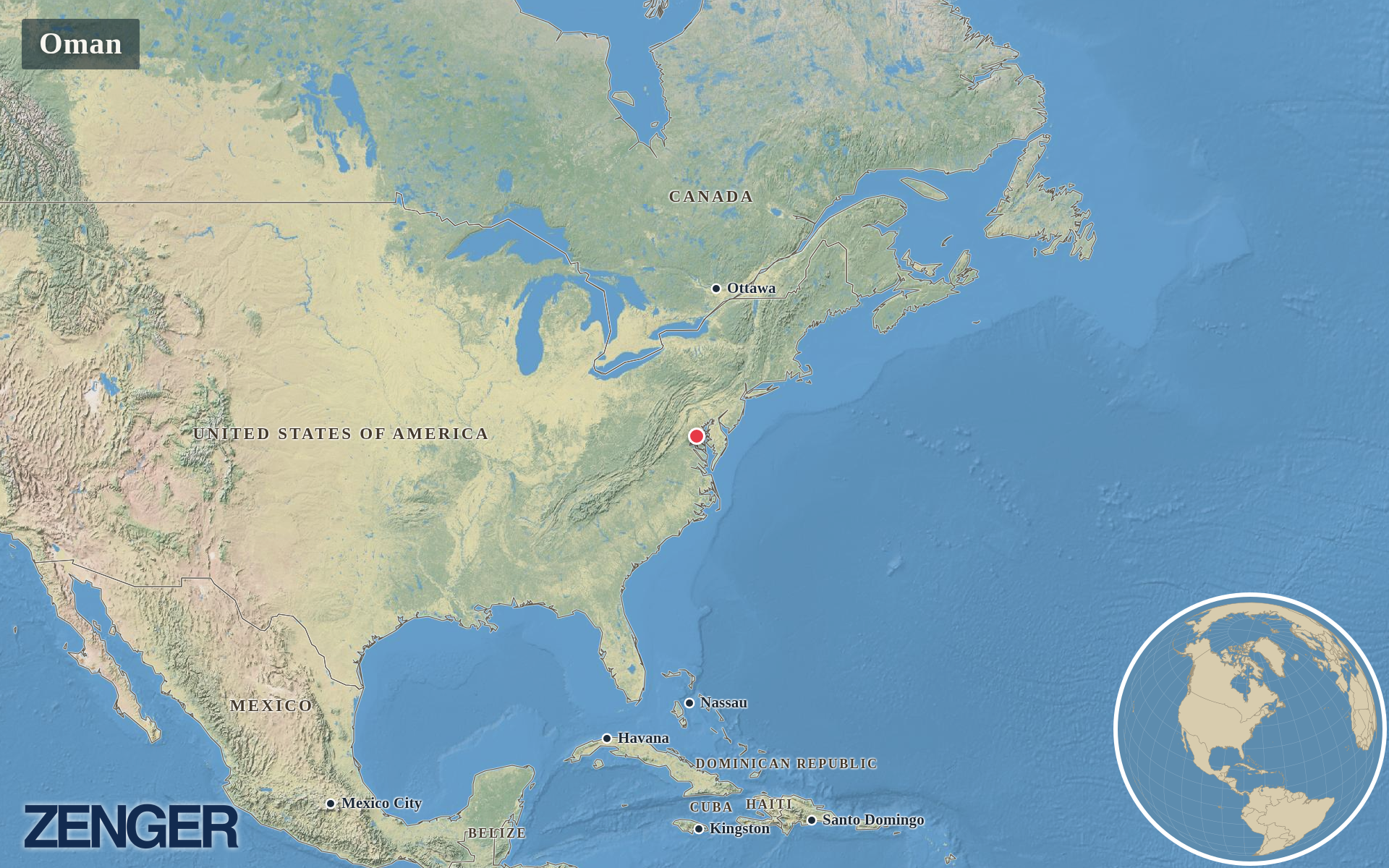
Protomaps / Natural Earth – Oman
Photo by Protomaps / Natural Earth – Oman
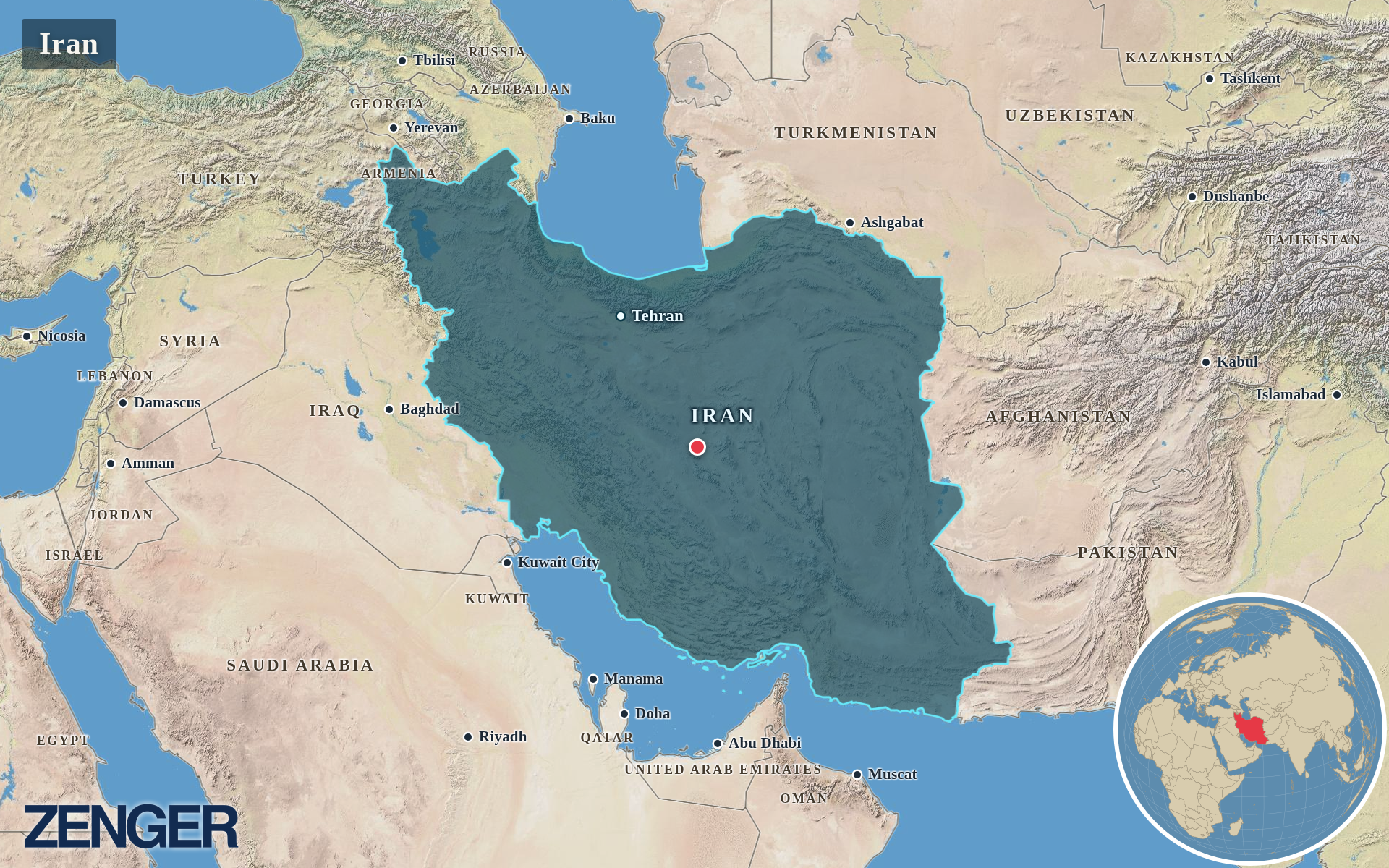
Protomaps / Natural Earth – Iran
Photo by Protomaps / Natural Earth – Iran