
Generation Z is redefining the future of work
From New York to Paris, most youth are rejecting traditional career paths in favor of flexibility by doing what they love.

NEW YORK — Mary, a software developer, resigned from her job earlier this year in New York. She traded a consistent paycheck for uncertainty and the freedom to choose projects that matched her values. This decision reflects on how young people are choosing flexibility, purpose, and independence over the usual climbing up the corporate ladder.
The software developer had grown tired of long hours, and projects that left little room for creativity or personal life. She now works as a freelance developer, choosing the clients she wants to work with and setting her own schedule. While freelancing comes with uncertain income and the absence of employer provided benefits, the trade-off has been worth it.
This reflects a broader shift among young professionals who are placing flexibility, purpose, and work-life balance ahead of the security once associated with working eight hours per day. While more workers are trying to make similar choices, businesses are being forced to rethink how they attract, motivate, and retain the next generation of talent.
Employers are struggling to attract and retain talent as younger employees place greater value on flexibility, well-being, and meaningful work than on job security alone. The clash is reshaping workplaces and raising questions about what the future of employment will look like.
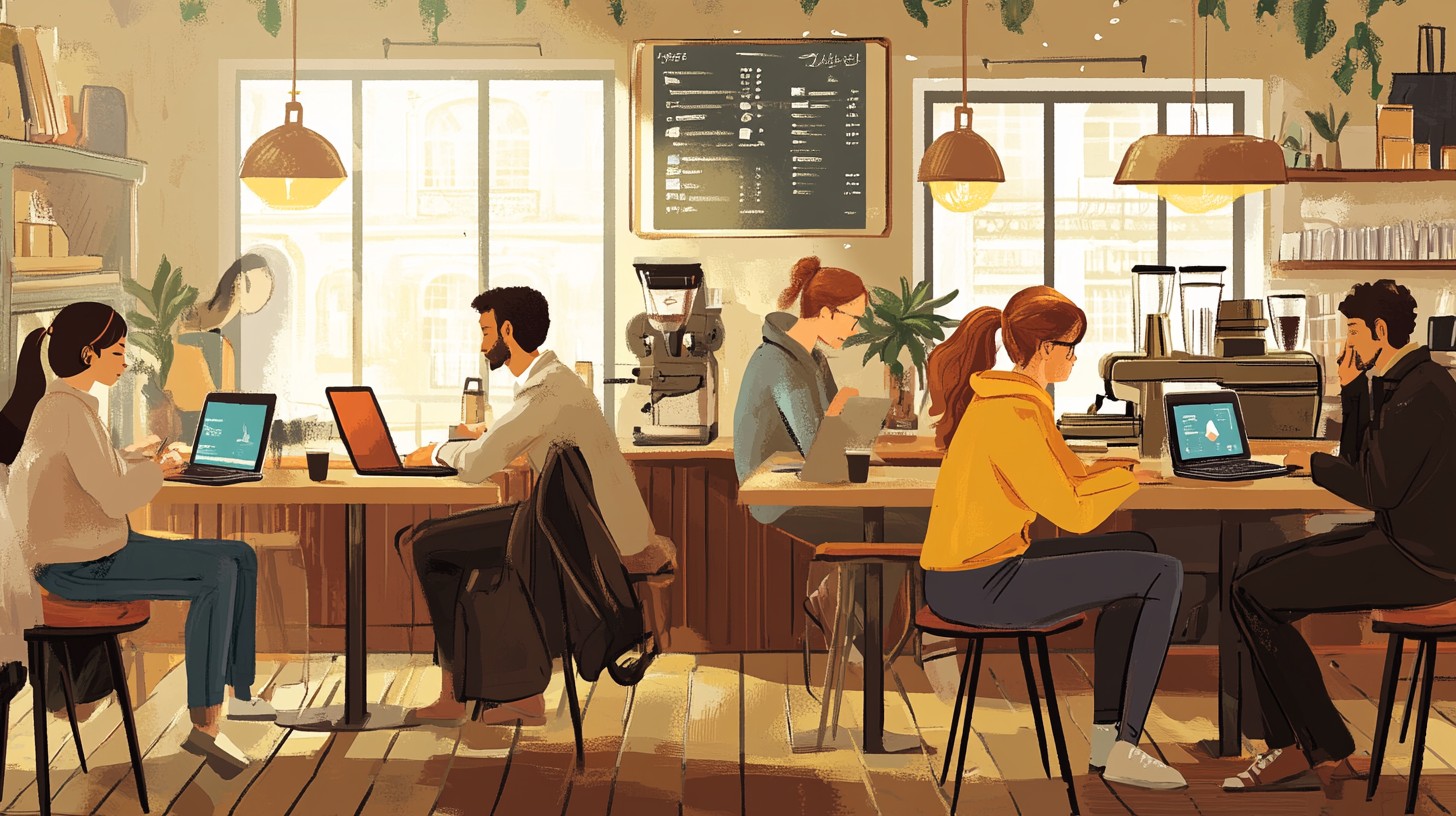

Conceptual illustration of young professionals and freelancers, depicting remote workers using laptops in a café in New York on July 6, 2026 at 9:26 PM. Photo: Richard/Reuters. © 2026
The COVID-19 pandemic prompted many people to reassess their priorities, while advances in technology have made it easier to build careers outside traditional 9–5 jobs. The Gen Z’s are using the digital platforms like TikTok and remote work to make money. Around the world, employers are finding that salary alone is not enough to keep and attract young professions.
“Sometimes it's a mental health issue because some of the traditional jobs involve working for long hours, maybe harsh bosses, no personal time, and it causes much stress. Sacrificing my peace isn't really worth it. Low salaries and high cost of living is another major issue,' said Mary.”
As Generation Z becomes a larger share of the global workforce, employers are needed to rethink how they hire and retain employees. Flexible working arrangements, good workplace environment, and careers that offer growth and purpose are likely to become defining features of the next era of work, as employers compete to win over a generation determined to redefine success on its own terms.