Trump shares CENTCOM claim of sixth night of U.S. strikes on Iran
Trump a screenshot posted to Truth Social attributes to U.S. Central Command a statement that American forces began a new wave of strikes against Iran to degrade its military capabilities.

WASHINGTON D.C. — Donald Trump shared a message attributed to U.S. Central Command claiming a sixth straight night of American strikes on Iran.
Here is the full post on truthsocial: “U.S. Central Command @CENTCOM At 2 p.m. ET today, U.S. forces began conducting a new wave of strikes against Iran for the sixth consecutive night to further degrade Iranian military capabilities. 6:48 PM Jul 16, 2026 1M Views”
The post reproduces a screenshot styled like an X account bearing the handle @CENTCOM and a verified badge. The message says American forces began the latest wave at 2 p.m. ET and describes the goal as further degrading Iranian military capabilities. The screenshot lists a timestamp of 6:48 PM on July 16, 2026, and a figure of 1 million views.
U.S. Central Command is one of eleven unified combatant commands of the U.S. Department of Defense, responsible for military operations across the Middle East, Central Asia and parts of South Asia, according to centcom.mil. The command was established on January 1, 1983, and is headquartered at MacDill Air Force Base in Tampa, Florida, according to centcom.mil. Its area of responsibility now spans more than 20 nations, including Iran, Iraq, Israel, Saudi Arabia and Yemen.
The stakes reach well beyond the battlefield. Sustained strikes near the Persian Gulf risk disrupting oil traffic through the Strait of Hormuz, a chokepoint that has repeatedly drawn CENTCOM into combat. Higher energy prices and wider escalation would touch households far from the region, while any Iranian retaliation could threaten U.S. forces stationed across the command’s footprint.
For the average U.S. reader, a widening conflict in the Gulf can ripple into fuel costs and financial markets. Prolonged fighting in a region that carries a large share of global oil exports historically pushes prices higher at the pump.
Has this happened before? This has happened before. CENTCOM’s first combat operations came during the Iran-Iraq War, when Iranian mining in the Gulf led to direct clashes, according to wikipedia.org. In 1987, the USS Stark, operating in the Persian Gulf, was struck by Exocet missiles fired by an Iraqi aircraft.
The next move rests with the White House and the Pentagon, which have not announced a date for any decision on continuing or halting the strikes. CENTCOM’s commander is Admiral Brad Cooper, U.S. Navy, according to centcom.mil.
Confrontation between American forces and Iran in these waters is not the first time the two sides have come to blows. On April 18, 1988, U.S. warships engaged Iranian naval units in Operation Praying Mantis after a mine damaged the USS Samuel B. Roberts, according to fas.org. American forces sank or crippled several Iranian vessels during a single day of fighting. That clash, the largest surface engagement for the U.S. Navy since World War II, hardened a rivalry in the Gulf that endures decades later.
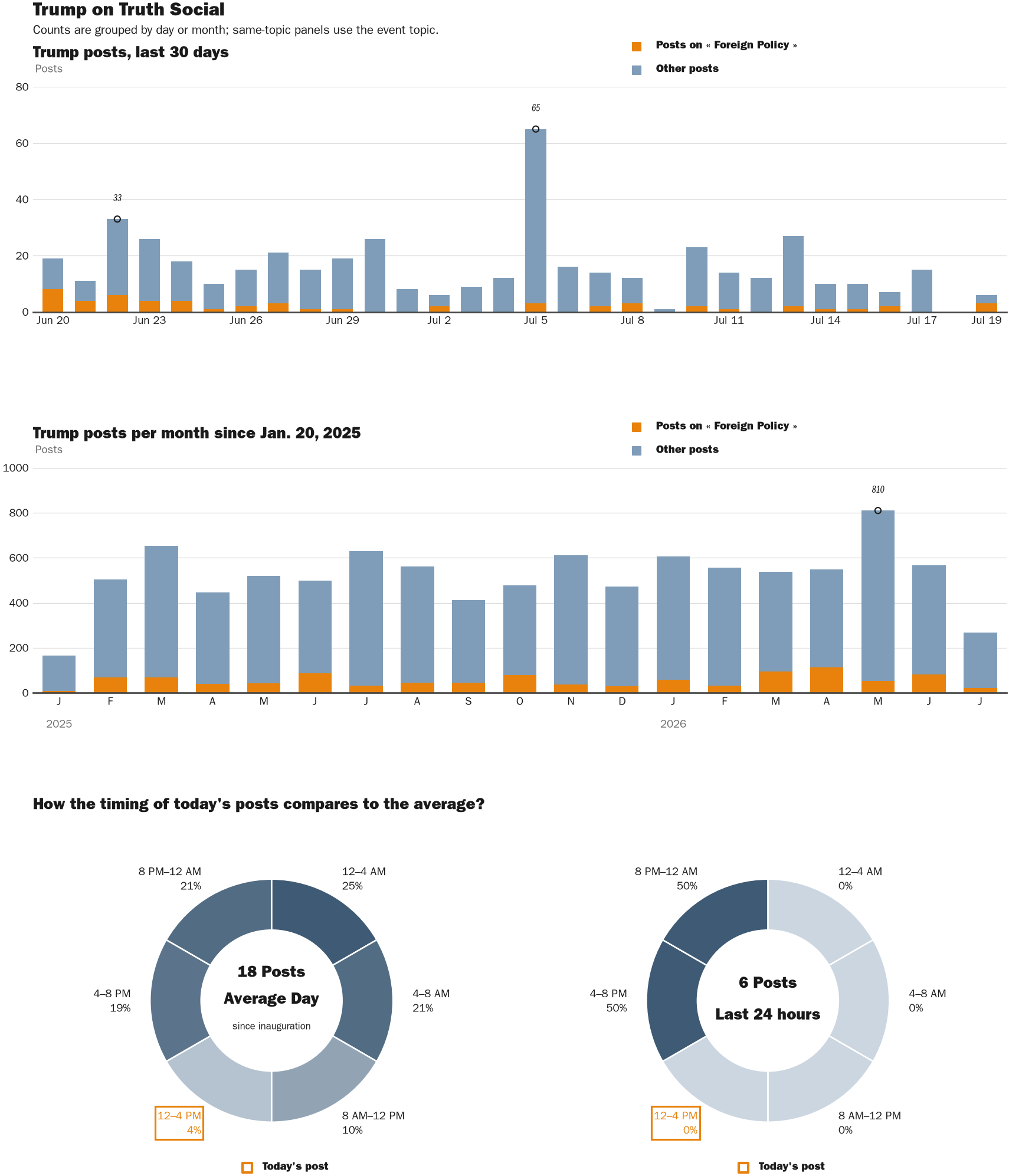

NewsFindr Chart Maker
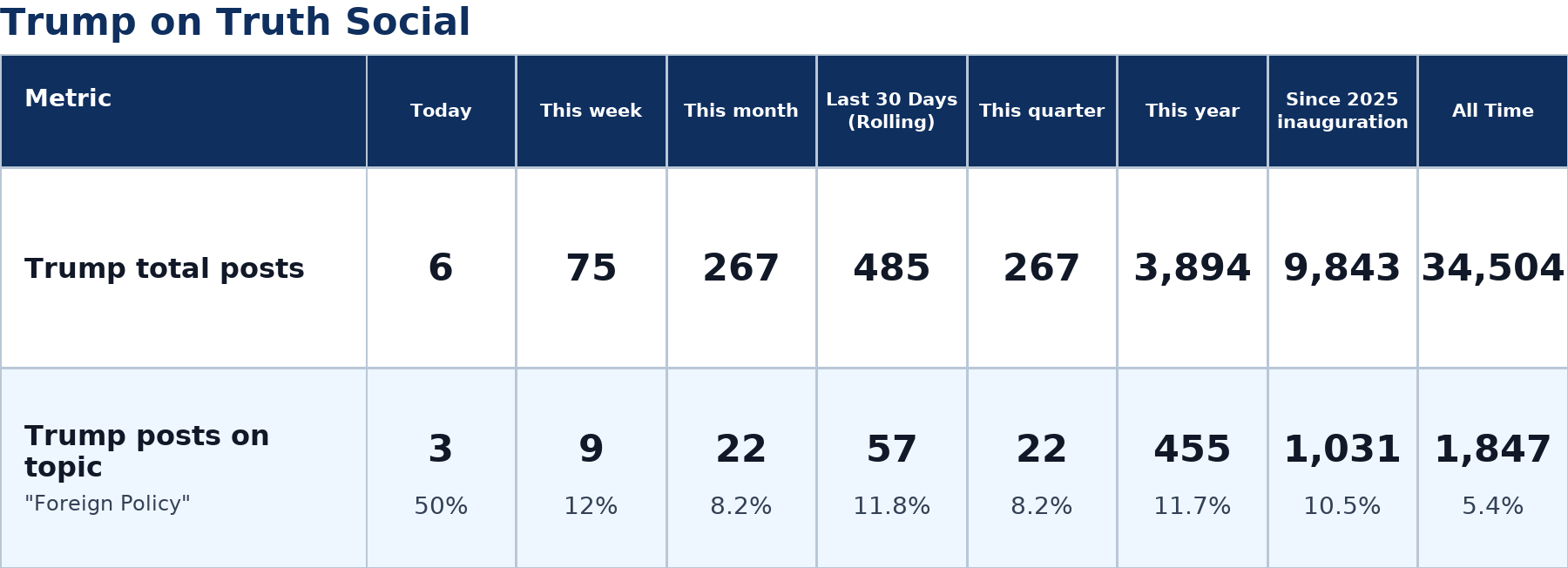
Zenger analysis
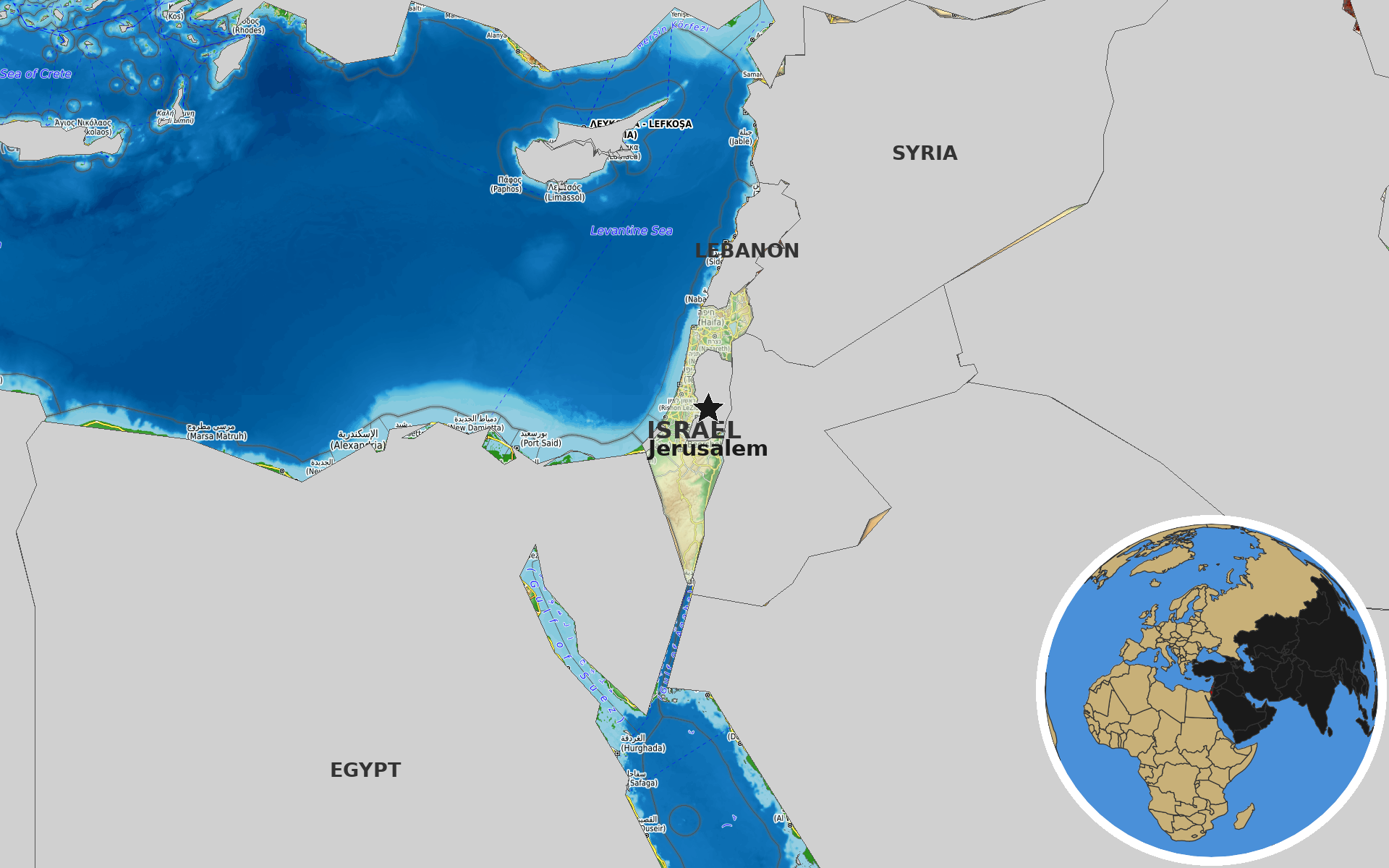
OpenTopoMap / Natural Earth – Israel
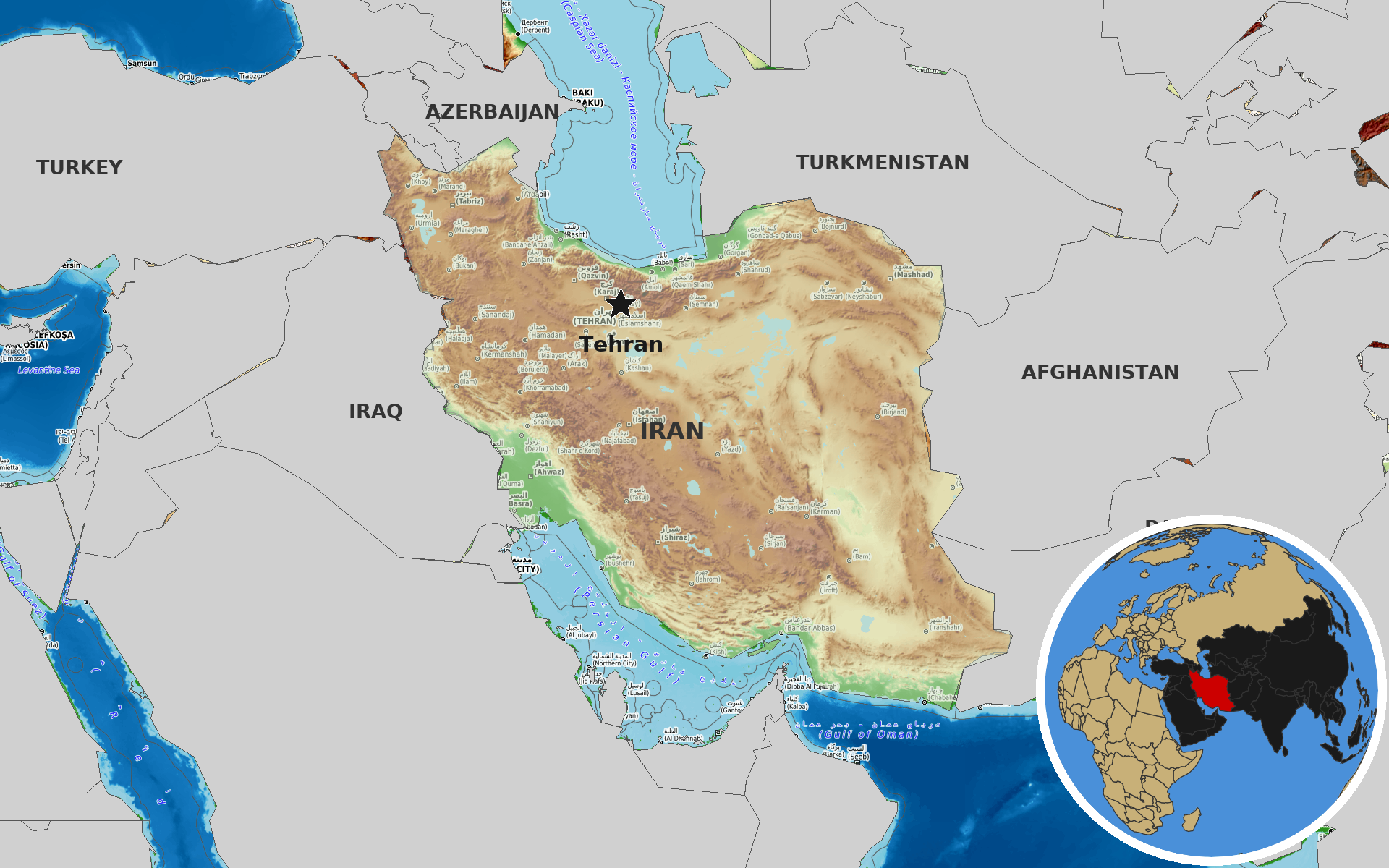
OpenTopoMap / Natural Earth – Iran
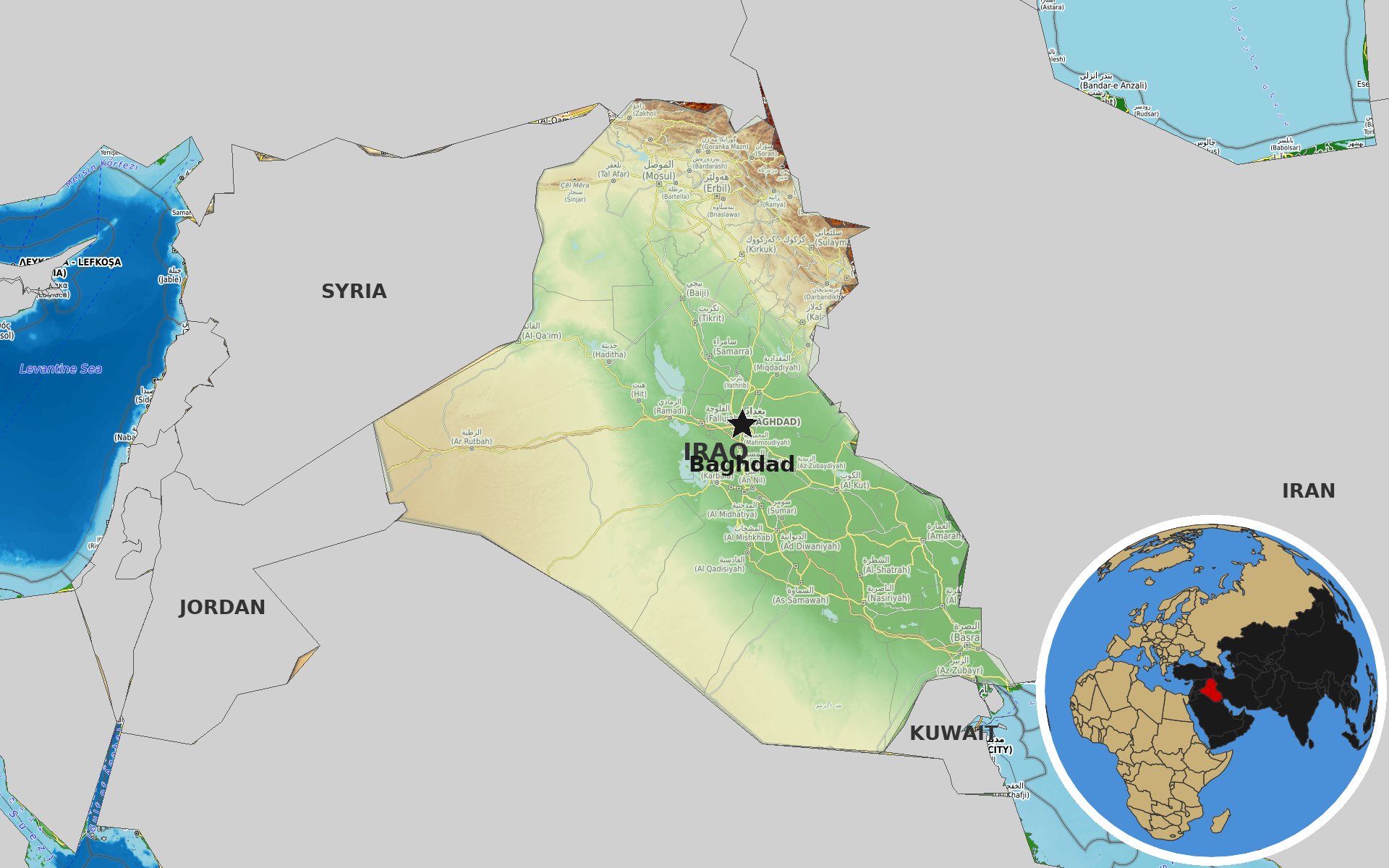
OpenTopoMap / Natural Earth – Iraq
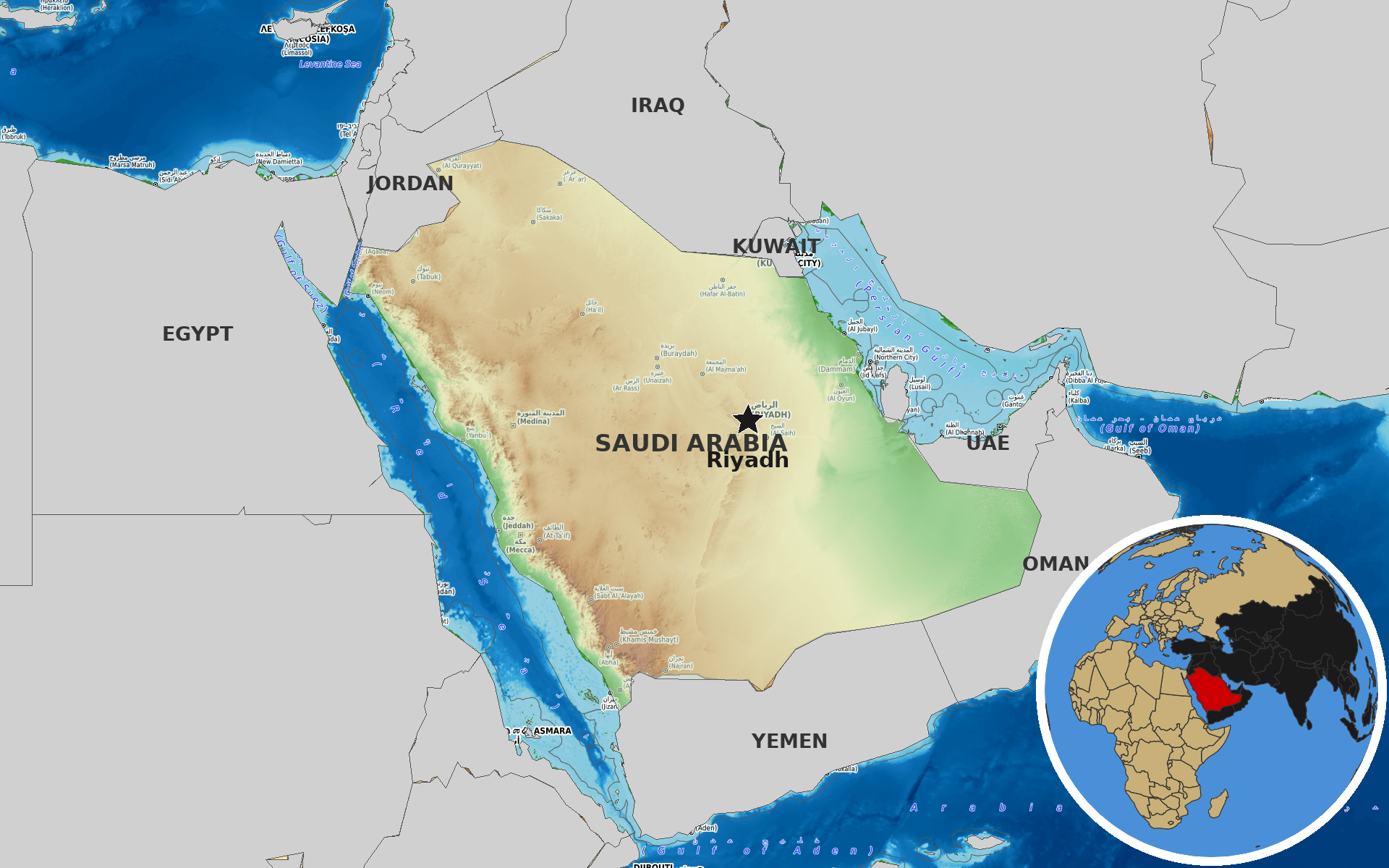
OpenTopoMap / Natural Earth – Saudi Arabia
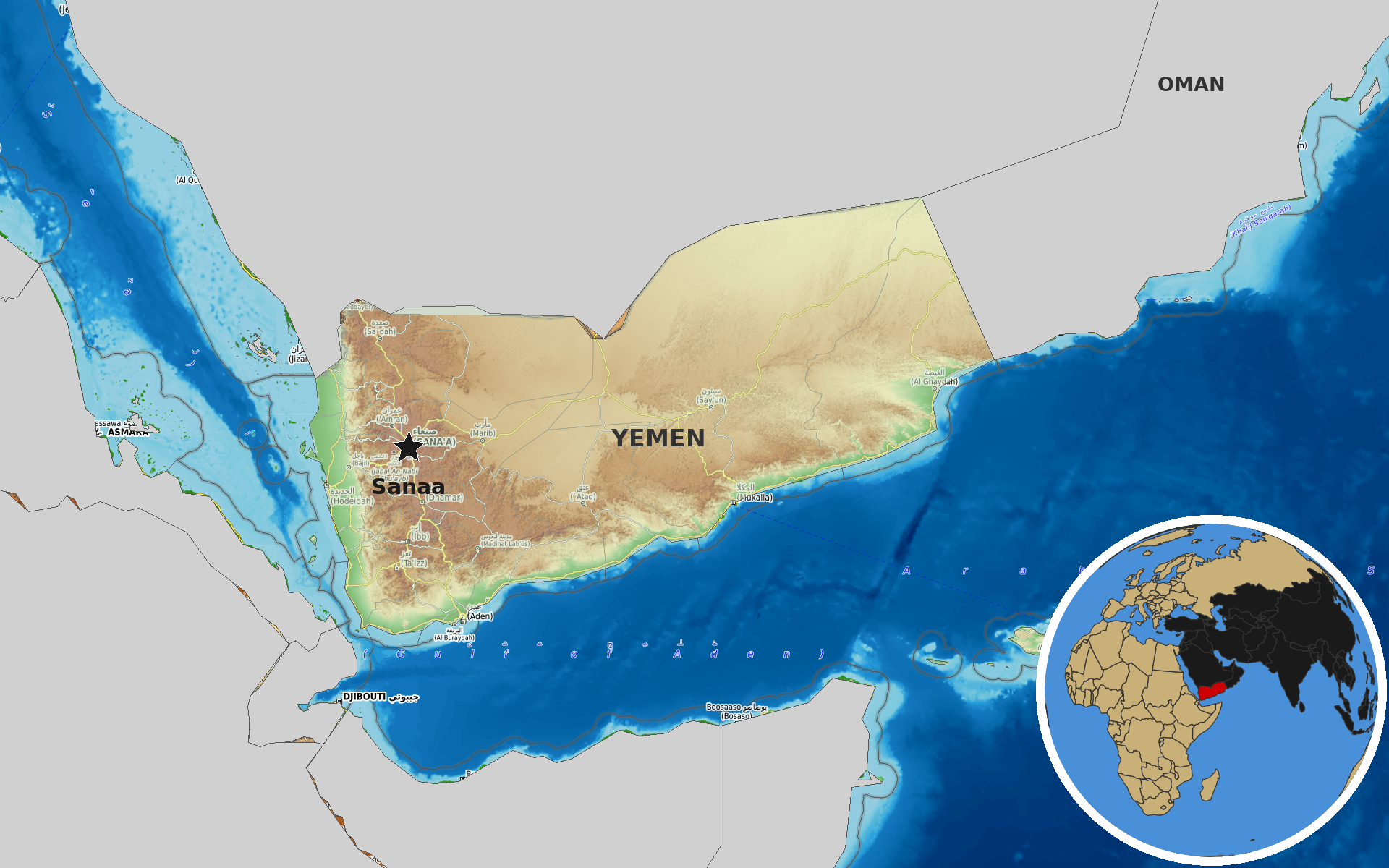
OpenTopoMap / Natural Earth – Yemen