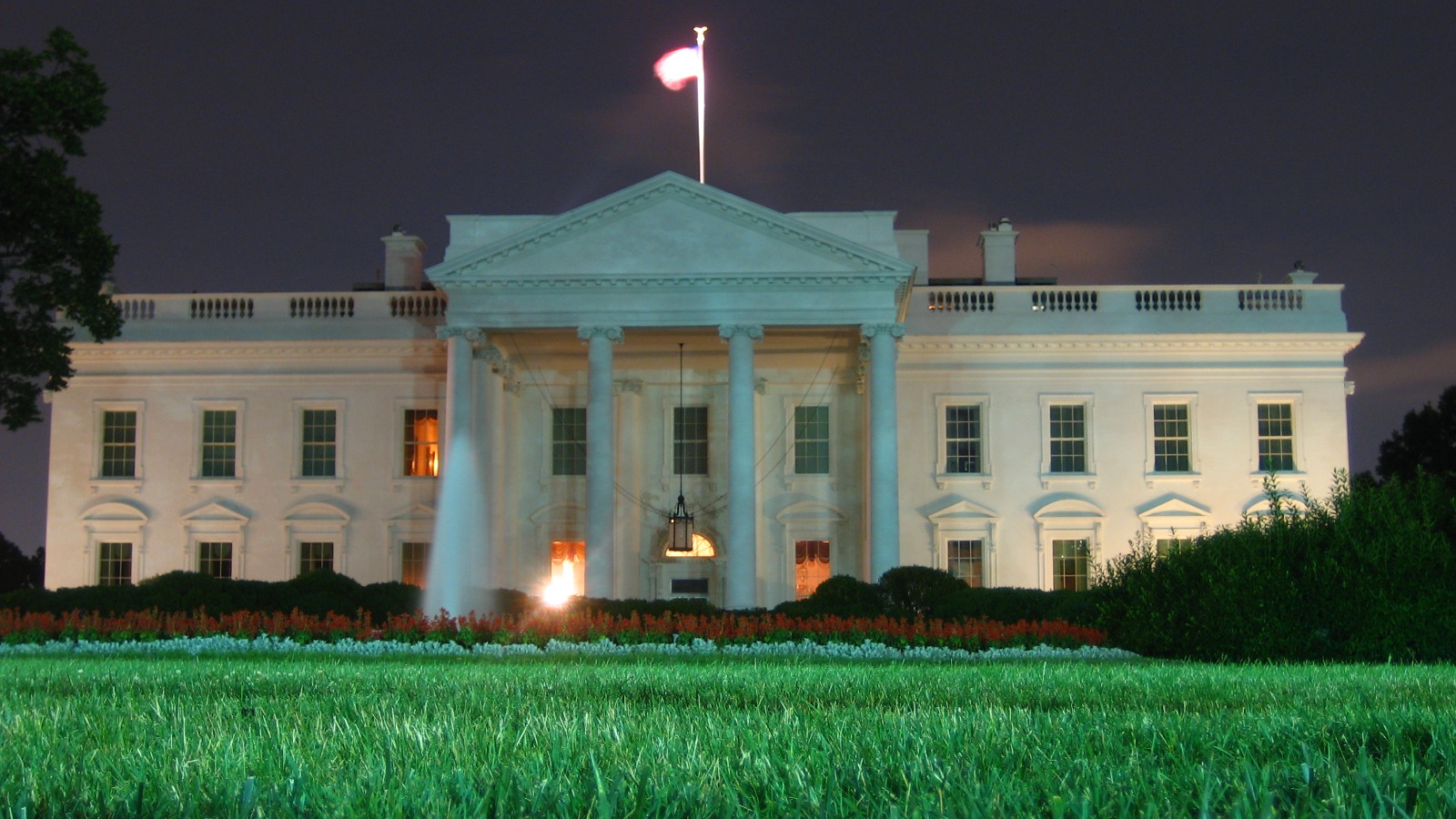
Trump Shares Report on Iran Fuel Shortages as Economic Squeeze Deepens
Trump shares a Wall Street Journal report describing gas lines and doubled fuel prices in Iran as the U.S. economic blockade tightens.

WASHINGTON D.C. — Donald J. Trump amplified a report on Iran‘s deepening fuel crisis, sharing a The Wall Street Journal article that describes gas shortages and rising prices squeezing ordinary Iranians.
The article recounts that Iran doubled some gasoline prices to the equivalent of $0.04 a liter, a drain for Iranians, many of whom don’t earn much more than $100 a month, according to The Wall Street Journal. Trump shared the link without added commentary, pointing his followers to the reporting by mentioning the source (see wsj).
Here is the full post on truthsocial: “Iran ians Are Running Out of Gas as Economic Squeeze Takes Hold: https://www.The Wall Street Journal.com/world/middle-east/iranians-are-running-out-of-gas-as-economic-squeeze-takes-hold-67e38a7b” on September 13, 2026 at 6:43 PM ET.
This is Trump’s fifth message released today, and the last post was 37 minutes ago, and it is not part of a thread. On average, Trump produces 18 posts per day since his inauguration on January 20, 2025. The move fits a broader pattern in Trump’s recent messaging, with 24 of his 591 posts over the last 30 days classified as reposts and external links.
The shared report frames Iran‘s fuel troubles as a consequence of the mounting economic pressure aimed at the Islamic Republic. The doubling of some gasoline prices lands hard in a country where many workers earn barely more than $100 a month, according to The Wall Street Journal. The reporting underscores how the squeeze reaches directly into household budgets.
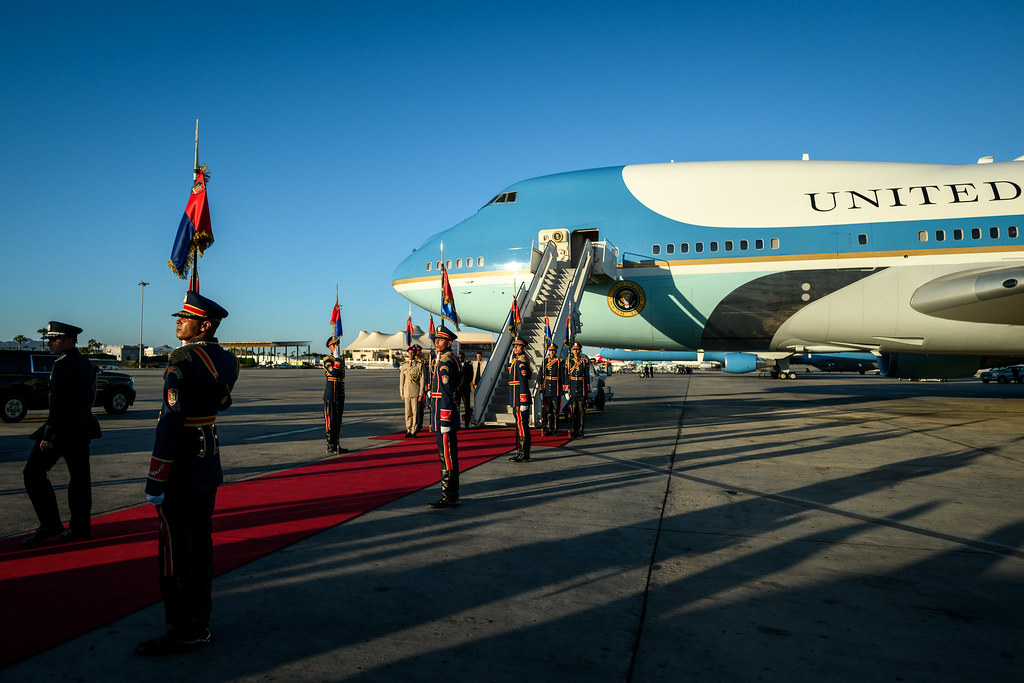

President Donald J. Trump shared a report on Iran's fuel shortages at Washington D.C.
Daniel Torok / The White House
© copyright Flickr with permission
The broader conflict has kept global energy markets on edge. Crude oil prices plunged below $70 per barrel earlier in the summer, and energy markets largely considered the Iran war over as modest traffic flowed again through the Strait of Hormuz, according to fortune. Nearly 1 billion barrels of worldwide petroleum reserves have been depleted and are not replenished, mothballed refineries have yet to come back online, and China still hasn’t resumed importing large oil volumes, according to fortune.
Energy analysts expect the reprieve to prove temporary. The Strait of Hormuz is unlikely to return to normal volumes for many months, and prices are likely to surge again toward roughly $90 per barrel, according to fortune. “There’s a bill that’s coming due,” said Marshall Adkins, head of energy for Raymond James, in remarks to Fortune. “The market thinks, “Oh yeah, things are going back to normal.” But, watching Iran for as long I have, I don’t think that’s really going to happen.”
The strain on markets carries stakes for American drivers, since a renewed spike would ripple into fuel costs at home. Analysts described the situation as a nightmare scenario for a Trump administration eager to move on from Iran and lower fuel prices before the November midterm elections, according to fortune.China, which cut its world-leading oil imports by roughly 5 million barrels a day, remains the swing factor that could tip prices higher once buying resumes, according to fortune.
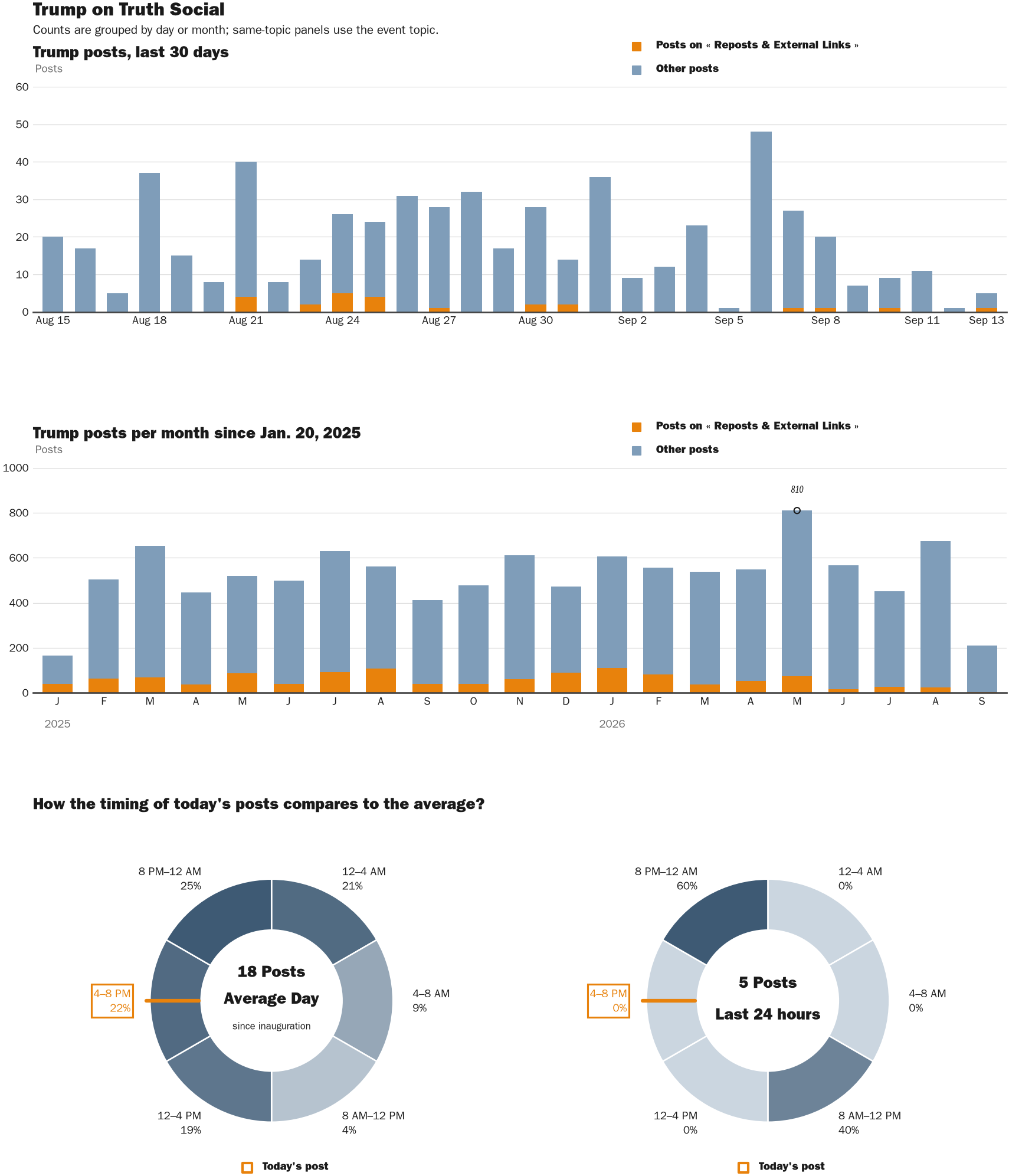
NewsFindr Chart Maker
Photo by Zenger real-time database of all Truth Social posts.
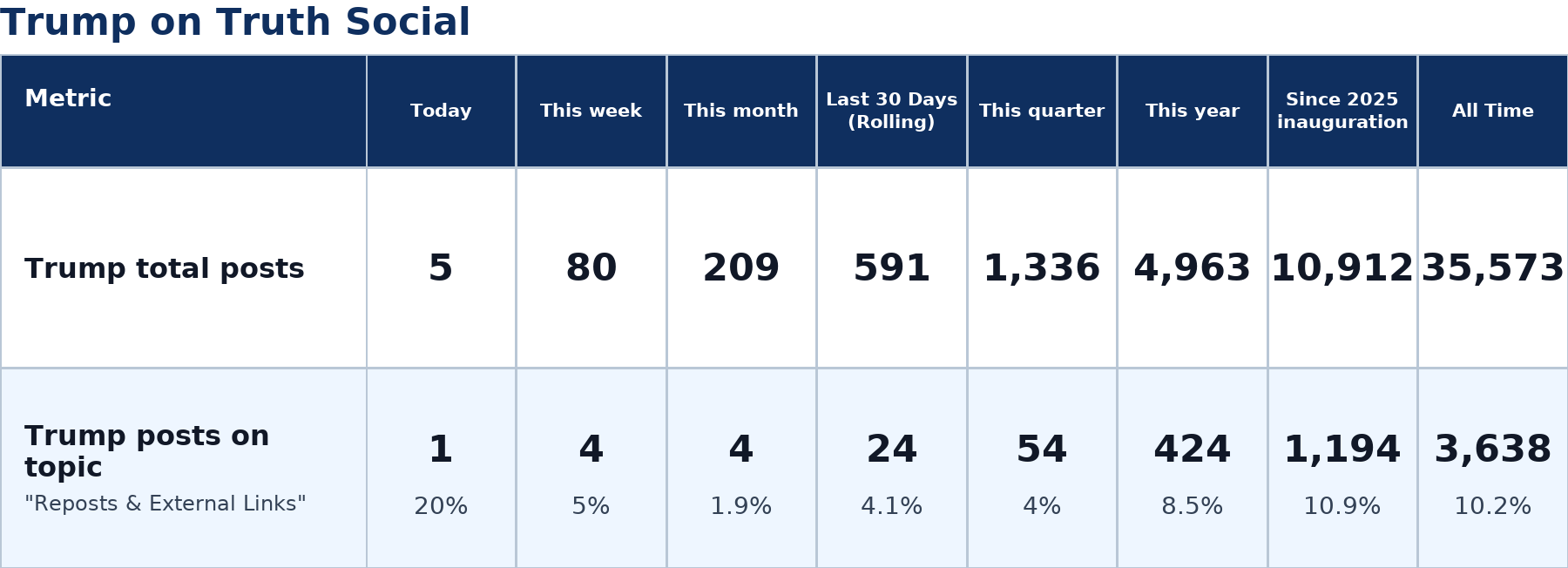
Zenger analysis
Photo by Zenger analysis
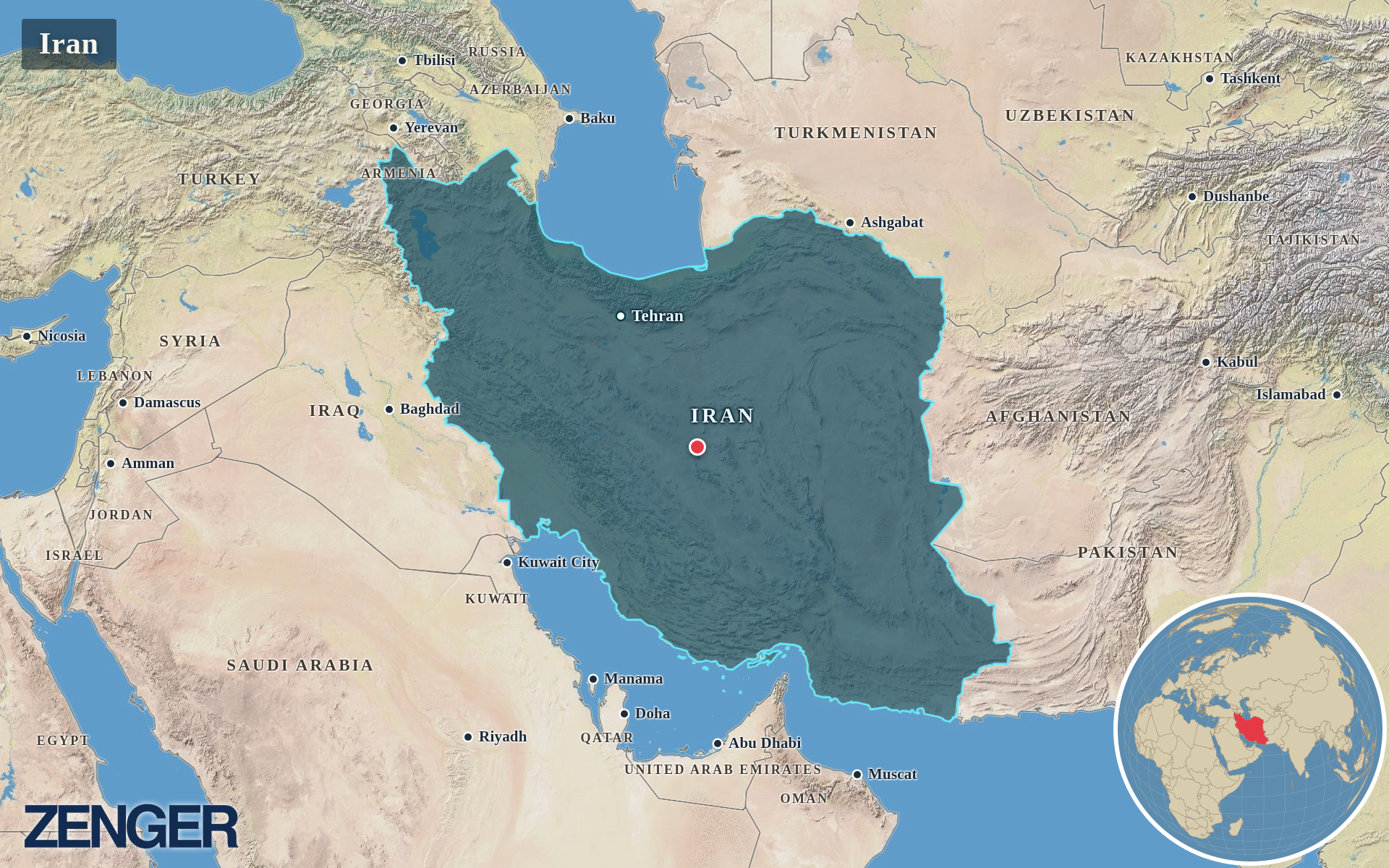
Protomaps / Natural Earth – Iran
Photo by Protomaps / Natural Earth – Iran
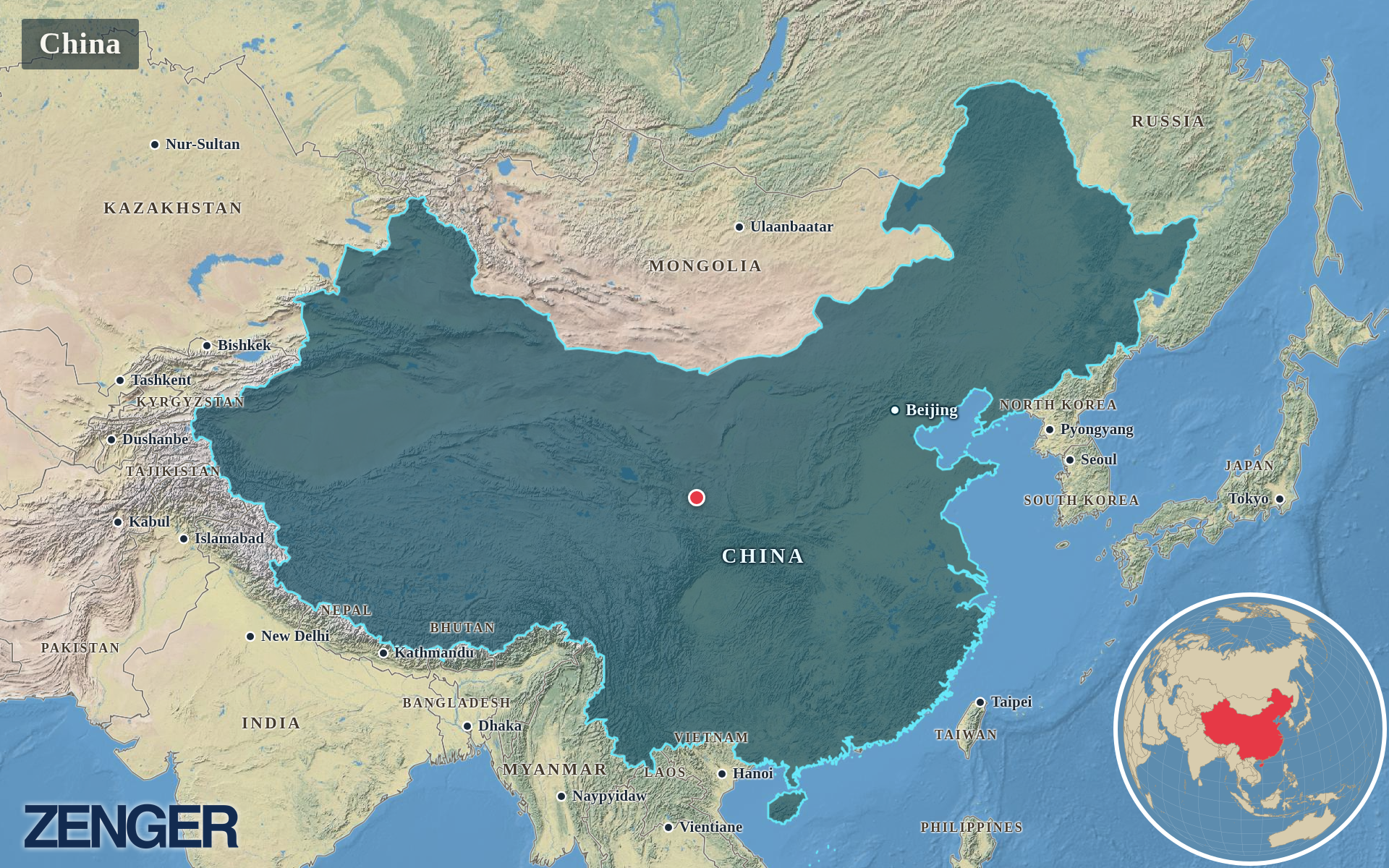
Protomaps / Natural Earth – China
Photo by Protomaps / Natural Earth – China