Trump Says Xi and Putin Pledged Not to Arm Iran in War
Trump says Chinese President Xi Jinping and Russian President Vladimir Putin both promise not to sell or give weapons to Iran as the U.S.-Iran conflict escalates.

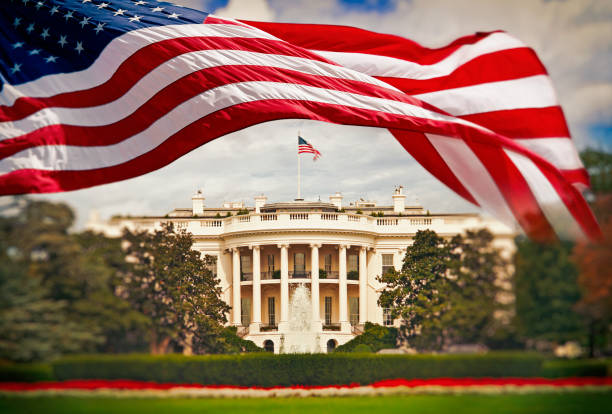
WASHINGTON D.C. — Donald J. Trump said Chinese President Xi Jinping and Russian President Vladimir Putin each promised him they would not arm Iran, as war between the United States and the Islamic Republic escalates.
The U.S. president warned that any weapons support from Beijing or Moscow would be “very bad” for both countries and against their interests, according to coloradopolitics.com. He credited Xi with an assurance delivered in person during a recent meeting in Beijing, extending that pledge to Chinese companies, according to hindustantimes.com.
“I don’t know that they’re enabling (Iran),” Trump told reporters at the White House. “I think I trust them,” he said, according to hindustantimes.com.
The statement lands as Trump weighs another major military operation against Iran after peace and nuclear talks collapsed and four U.S. service members died in the region last week.
Here is the full post on truthsocial: “President Xi, at our recent meeting in Beijing, China, told me that he would not, under any circumstances, give or sell Weapons to the Islamic Republic of Iran — And that statement included Chinese Companies. Considering our relationship, I take him at his word and, besides, l am doing him very big favors, also. Likewise, President Putin, despite the horrible War going on in Ukraine (The relationship remains, as it does with President Zelenskyy), told me that he would not sell Weapons to Iran. He understands that I do not sell Weapons to Ukraine, but to NATO Countries. They pay full price, and how those Weapons are distributed, I have no idea. Therefore, two major Countries that people speak of often in terms of Iran are, in my opinion, not participating. If they did, it would be very bad for them — Certainly not in their best interests. Thank you for your attention to this matter! Trump” on July 24, 2026 at 11:15 AM ET.
This is the first message released by Trump today. On average, Trump produces about 15 posts per day since his inauguration on January 20, 2025. The move fits a broader pattern in Trump’s recent messaging, with 52 of his 451 posts over the last 30 days focused on foreign policy.
Trump’s public trust in the two leaders clashes with his own administration’s assessments. Defense Secretary Pete Hegseth told lawmakers this week that Russia and China were helping Iran in ways he did not specify, according to hindustantimes.com. “There are ways in which both of those countries are, at different levels, enabling some of the things Iran is doing, yes,” Hegseth said during a Senate hearing, according to hindustantimes.com.
The stakes reach far beyond diplomatic courtesy. If Beijing or Moscow supplied arms, targeting data, or radar to Tehran, U.S. forces in the Gulf would face sharper threats. Iranian strikes on CIA targets earlier in the conflict prompted U.S. intelligence agencies to investigate whether Russia gave Iran targeting information or drone technology, according to hindustantimes.com. Any confirmed transfer could widen a bilateral war into a broader confrontation among nuclear powers.
For an American reader, the outcome touches wallets and safety. Escalation in the Gulf has pushed Brent crude toward a high, according to hindustantimes.com, which feeds directly into gasoline prices. A wider war would also raise the risk to U.S. troops already deployed in the region.
This has happened before. Washington has repeatedly sanctioned individuals and companies in Russia and China accused of helping Iran procure weapons, according to hindustantimes.com. Reports have described Russian satellite imagery aiding Iranian tracking of American troops and Chinese missiles and radar used during the war, according to hindustantimes.com.
The next decision rests with Trump himself. “I am close to making a decision. We are all set for it,” he told Axios this week, according to coloradopolitics.com. He is scheduled to meet Ukrainian President Volodymyr Zelensky on Tuesday in Washington, according to coloradopolitics.com, though no date has been announced for any new strike order against Iran.
Great powers pledging restraint over a smaller state’s arsenal has a long and mixed record. During the Cold War, the United States and the Soviet Union both funneled weapons to opposing sides in the 1980-1988 Iran-Iraq War, which killed hundreds of thousands despite public assurances of neutrality. Arms flowed through third parties and front companies even as leaders professed noninvolvement. That precedent left later presidents wary of taking rival powers at their word.
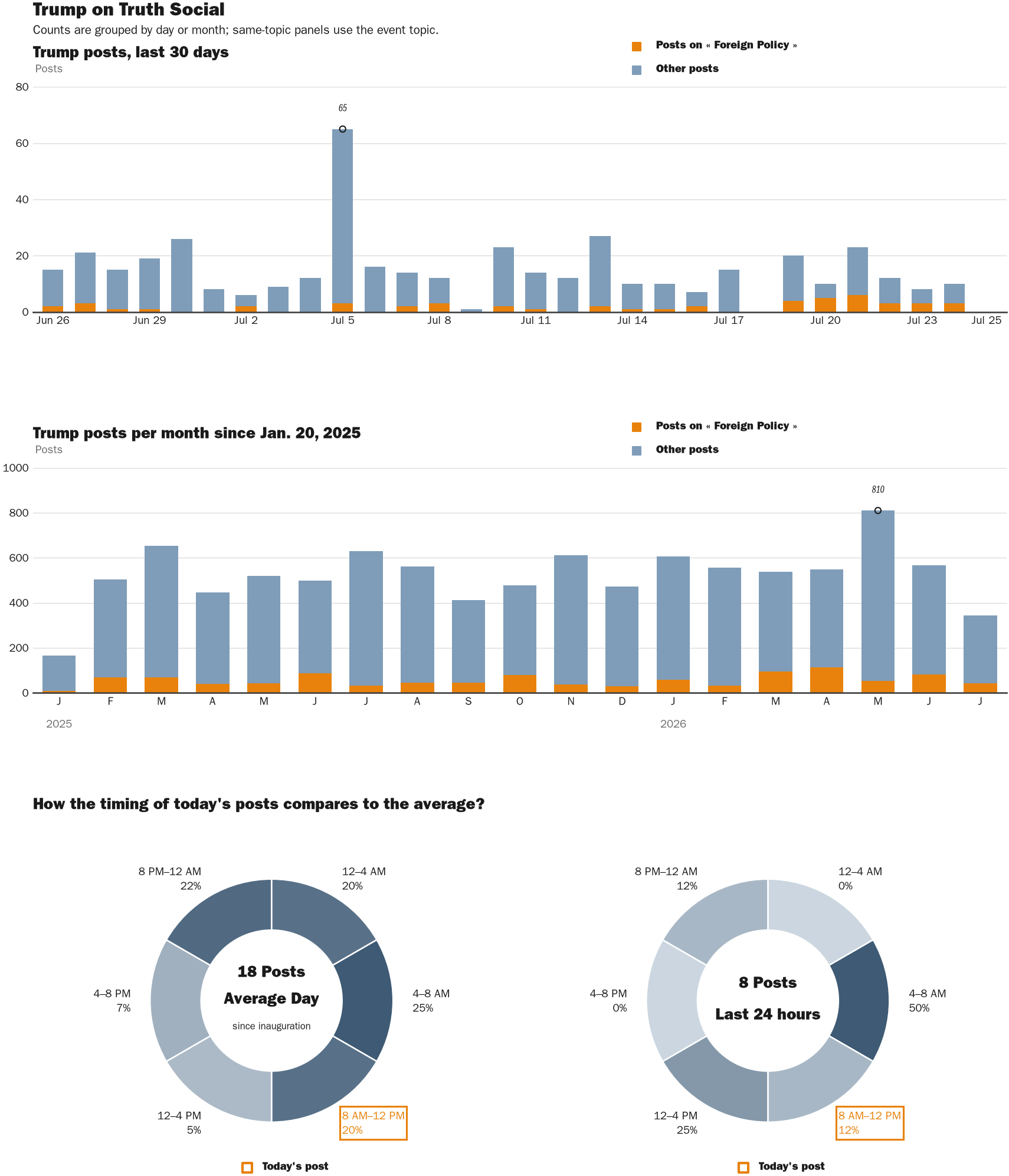

NewsFindr Chart Maker
Photo by Zenger real-time database of all Truth Social posts.
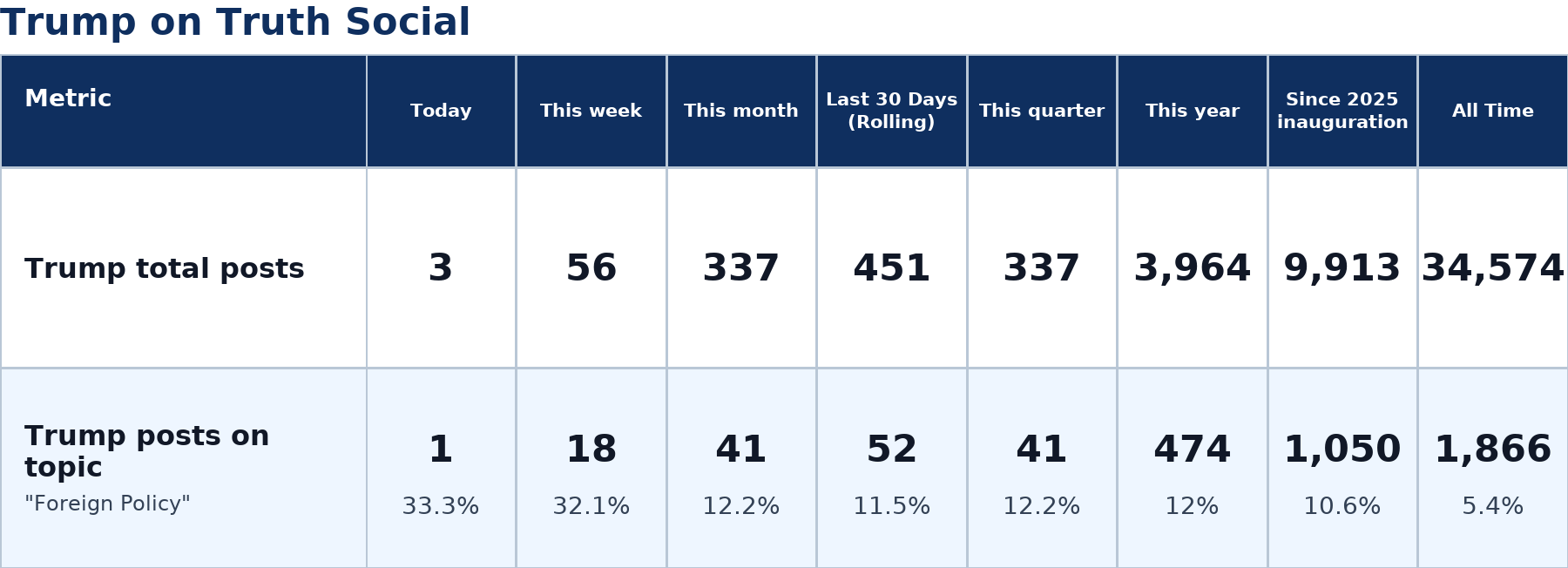
Zenger analysis
Photo by Zenger analysis
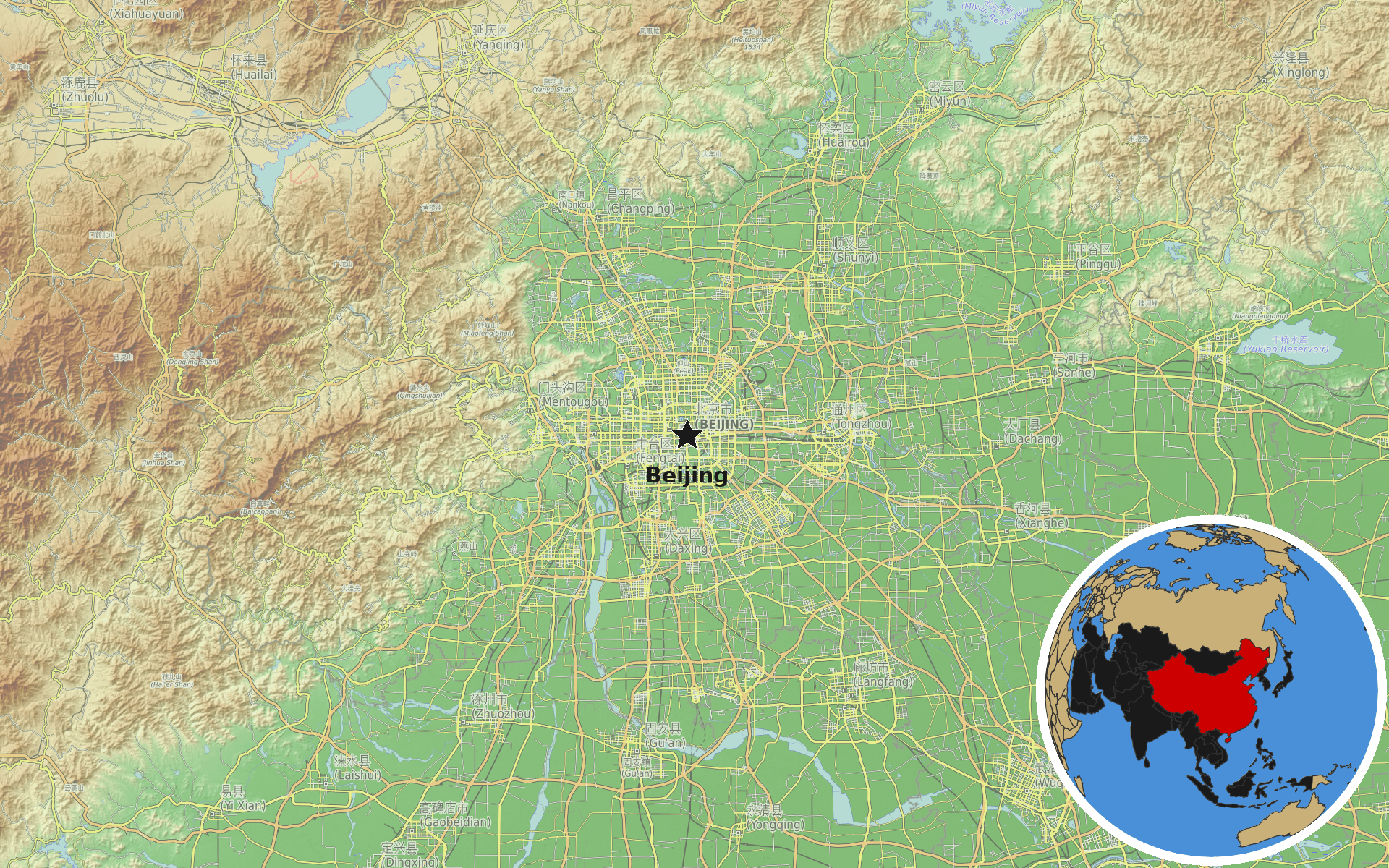
OpenTopoMap / Natural Earth – China
Photo by OpenTopoMap / Natural Earth – China
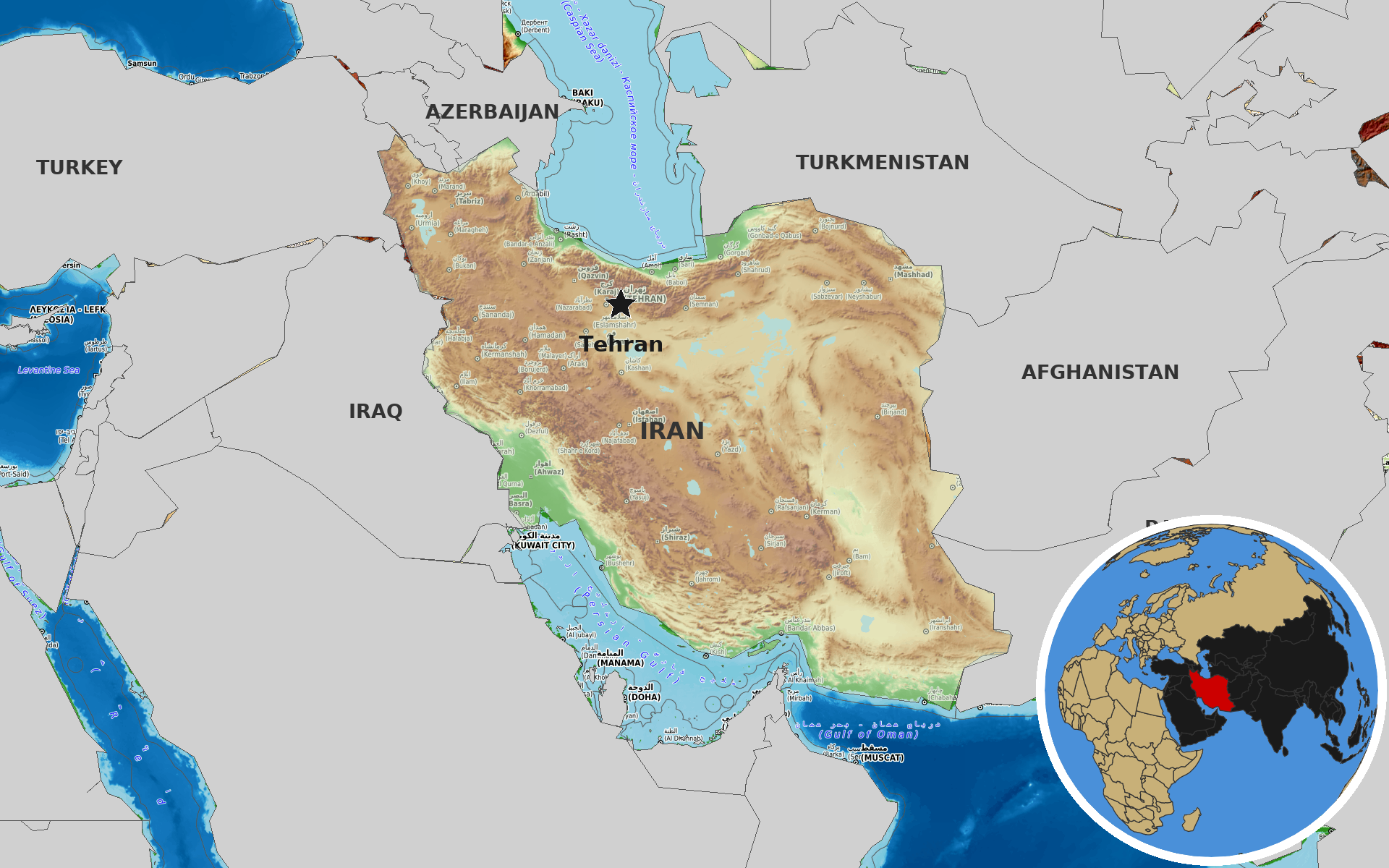
OpenTopoMap / Natural Earth – Islamic Republic Of Iran
Photo by OpenTopoMap / Natural Earth – Islamic Republic Of Iran
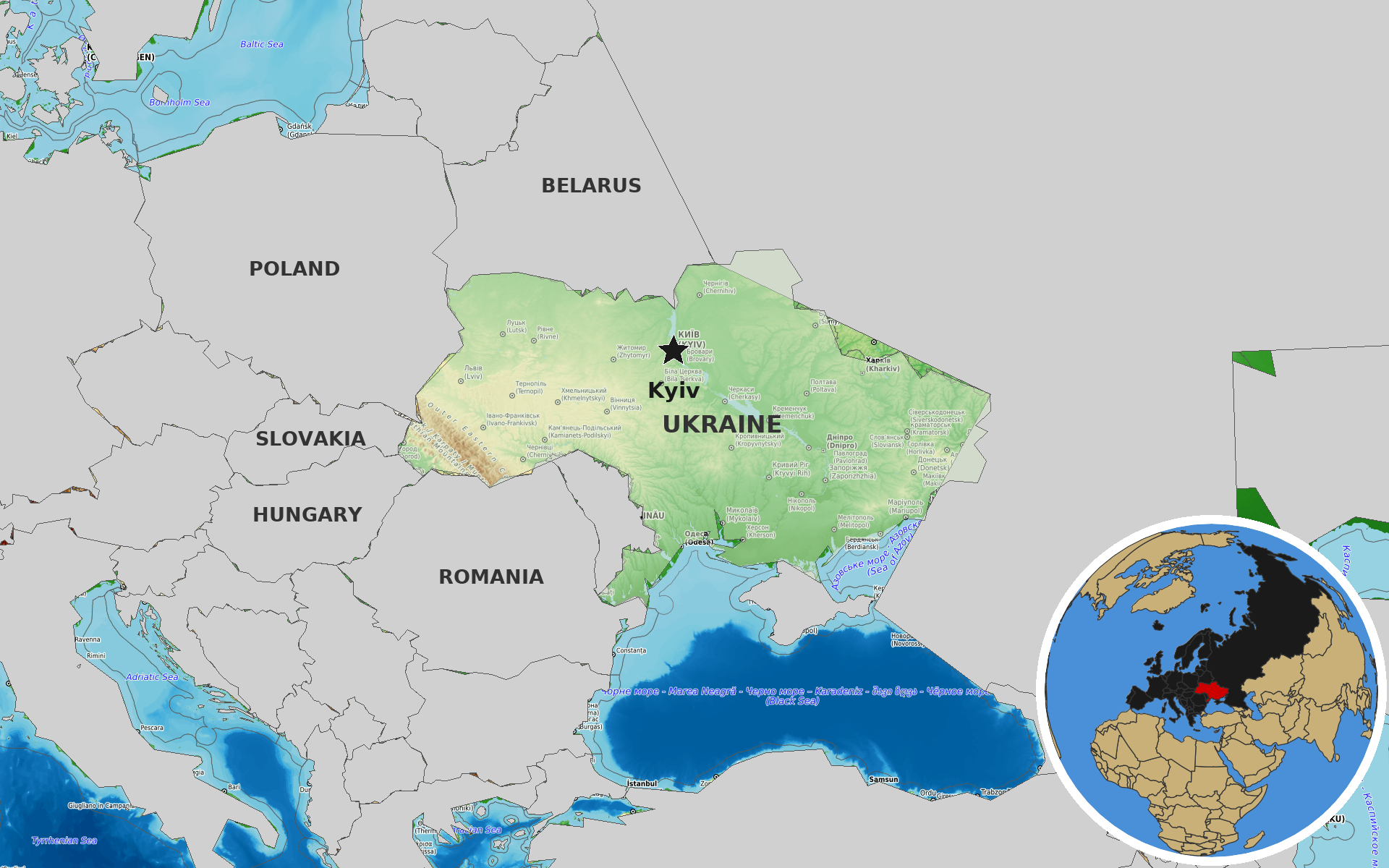
OpenTopoMap / Natural Earth – Ukraine
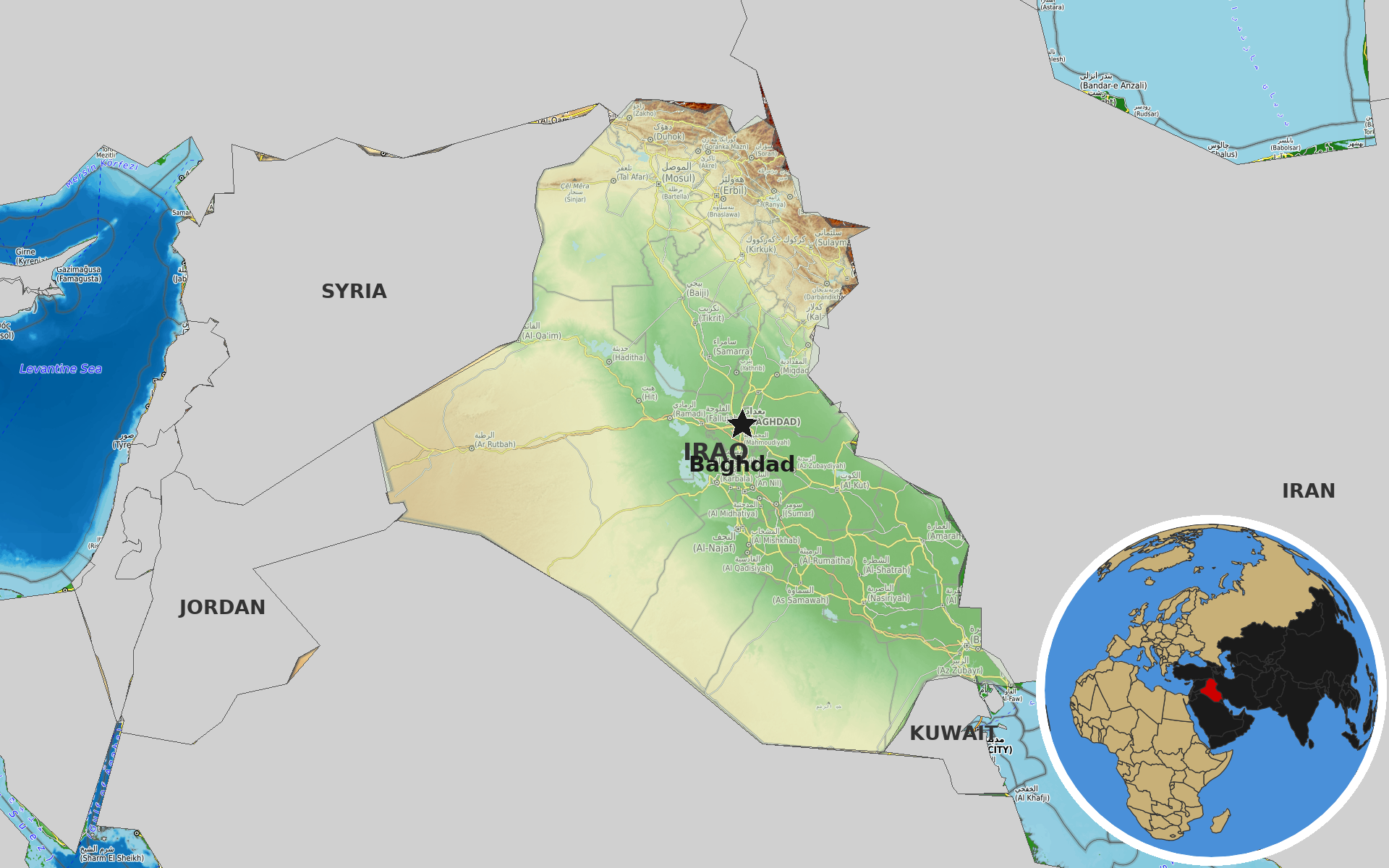
OpenTopoMap / Natural Earth – Iraq
Photo by OpenTopoMap / Natural Earth – Iraq
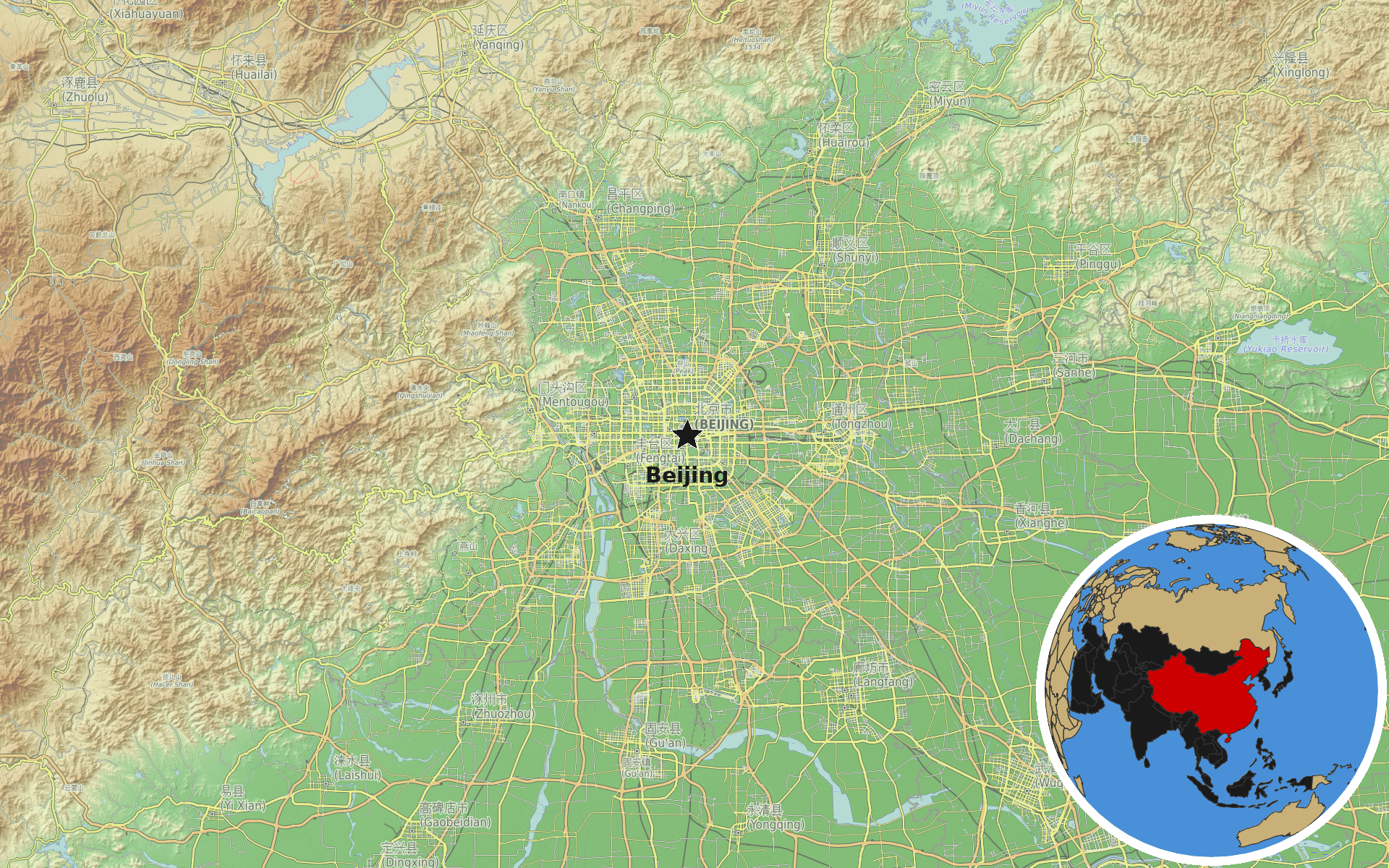
OpenTopoMap / Natural Earth – Beijing