AI-powered cybersecurity becomes essential as intelligent threats surge
Organizations are leveraging artificial intelligence to combat increasingly sophisticated phishing and automated cyberattacks on businesses and individuals.

NEW YORK — Chase Cunningham reads the reports about cybersecurity as usual; he does not see the unreadable phishing emails that he used to encounter regularly in the past. Instead, he sees emails created with artificial intelligence, impersonating a company executive, referencing actual projects taking place in the organization, and attempting to extract sensitive information from the recipient. The ex-U.S. Navy chief cryptologist and information warfare officer knows that the arms race between cybercriminals and those who defend against them has changed significantly because of the rise of AI.
“Bad guys are using the same technologies, such as AI, that the defenders are using,” said Cunningham.
Therefore, organizations must ensure that their cybersecurity measures are “smart” so that they can protect the entities they serve even when facing off against AI-driven cyberattacks. AI has become a powerful tool for both sides of the conflict.
Experts are observing that generative artificial intelligence is fuelling the ability of cyber criminals to create phishing campaigns, malware and other means of distributing ransomware. At the same time, companies, governments, and critical infrastructure operators are also turning to AI to defend themselves against increasingly sophisticated cyber assaults. The increased threat level is evident from the FBI’s Internet Crime Complaint Centre data, which registered a record $16.6 billion loss from cybercrimes in 2024. Meanwhile, the IBM Security Cost of a Data Breach Report 2025 observed the global average cost of a data breach reaching $4.88 million.
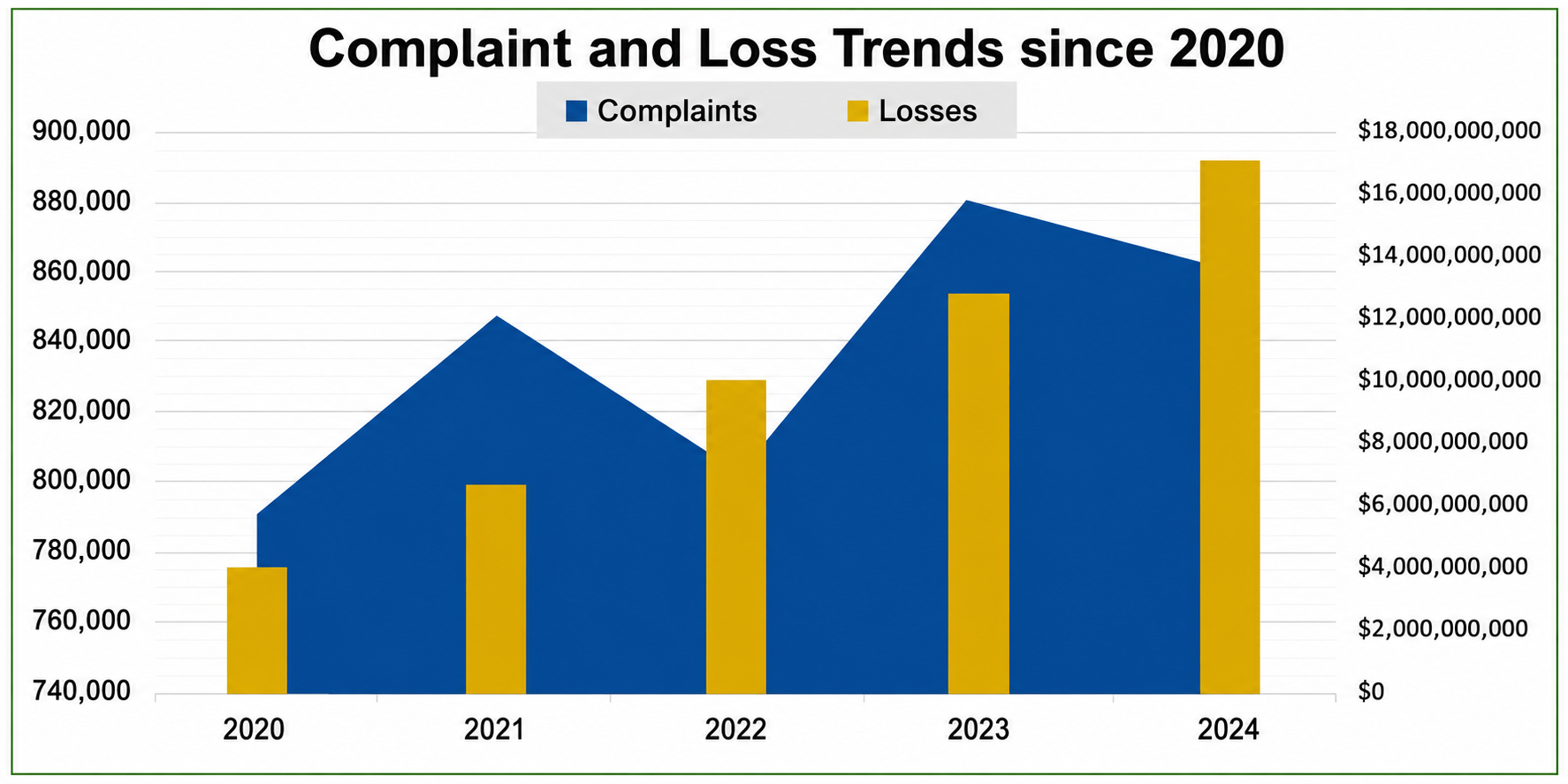

A Chart showing Complaint and Loss Trends since 2020 from the FBI’s Internet Crime Centre in the United States on July 9, 2026 at 9:00 AM
Traditional cybersecurity tools such as antivirus software and firewalls are no longer sufficient in protecting businesses from advanced persistent threats and sophisticated ransomware operations. Experts note that AI cybersecurity tools are better positioned to monitor, detect, and respond to threats promptly.
“They provide ongoing insights on suspicious activity and attack patterns to stop attacks before they can inflict damage. In addition to being able to detect and respond to attacks faster, AI can also learn and improve over time,” said Dr. Chase Cunningham.
Dr. Chester Wisniewski, global field chief technology officer at Sophos, says that while AI can bolster defenses, it also empowers attackers to increase the impact of their social engineering campaigns.
Cybersecurity experts agree that AI-driven threat detection and response is not foolproof; thus, it must be supplemented with common-sense security measures such as employee awareness training, multifactor authentication, and software maintenance. For Dr. Chase Cunningham, the cybersecurity landscape has changed dramatically: “We used to think about building bigger walls, but now we need to think about smarter walls.” As artificial intelligence transforms the way nations and multinational corporations operate, experts say that the race between cyberattacks and defenders will only heat up.