





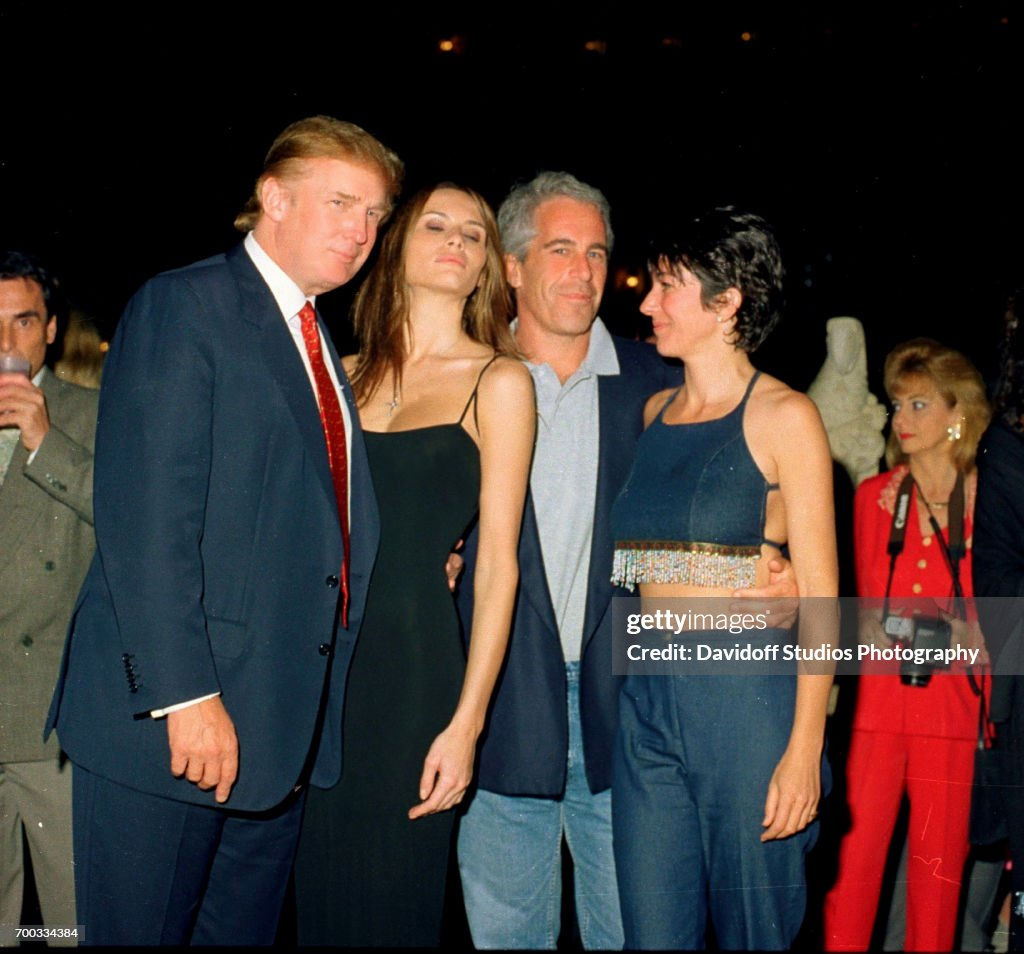

Newly unsealed Department of Justice documents provide a more detailed picture of Donald Trump’s early interactions with law enforcement during the initial investigation into Jeffrey Epstein. The documents, which include a previously unreported 2019 FBI interview summary with former Palm Beach police chief Michael Reiter, indicate that Trump contacted the department in July 2006 to express concern about Epstein’s behavior and to encourage investigators to pursue the case.
According to the FBI summary, Trump told Reiter he was relieved authorities were “finally” taking action and said that people in New York had long described Epstein as “disgusting.” Trump also urged investigators to focus on Ghislaine Maxwell, whom he reportedly called “evil,” and suggested she played a central role in Epstein’s activities.
The documents also note that Trump told investigators he had “thrown Epstein out” of Mar-a-Lago, a claim he has repeated publicly for years. Trump said he had seen Epstein in the presence of teenagers, felt uncomfortable, and “got the hell out of there,” according to the summary. The notes that Reiter claimed Trump was “one of the first” to reach out after the Epstein probe became public.
The newly released material adds nuance to the public record of Trump’s relationship with Epstein. While Trump and Epstein were socially acquainted in the 1990s and early 2000s, the documents depict Trump taking a more assertive stance with law enforcement than previously known. The account suggests Trump was willing to share concerns about Epstein and Maxwell at a time when the investigation was still developing.
However, the documents do not fully resolve longstanding questions about Trump’s awareness of Epstein’s conduct. In 2019, when asked by reporters whether he had known Epstein had “molested girls,” Trump responded, “No, I had no idea.” The newly unsealed FBI summary does not show that Trump had specific knowledge of criminal acts, victims, or the details of Epstein’s trafficking operation. But it does show he was aware of troubling behavior and had heard negative accounts from others, raising questions about how narrowly he interpreted the 2019 question.
The documents also highlight a separate tension involving Trump’s view of Ghislaine Maxwell. In the 2006 account, Trump described Maxwell as “evil” and encouraged investigators to scrutinize her role. Yet in recent years, Maxwell has been transferred by the Bureau of Prisons to a lower-security facility in Texas, and her lawyer has publicly called for her to receive clemency. Trump has not publicly ruled out such a possibility, and the administration has not pushed back on the perception that Maxwell’s conditions have eased.
The broader release of Epstein-related documents has produced a mix of exculpatory and ambiguous material concerning Trump. Some allegations referenced in the files were deemed not credible or could not be corroborated by investigators. Others describe social interactions between Trump and Epstein that, while not criminal, have drawn scrutiny. To date, Trump has not been accused of wrongdoing by prosecutors in connection with Epstein’s activities.
Epstein, who pleaded guilty in 2008 to procuring a minor for prostitution, died in federal custody in 2019 while awaiting trial on sex-trafficking charges. Maxwell is serving a 20-year sentence for her role in recruiting and grooming underage girls for Epstein.
The newly unsealed documents provide additional context but do not settle the broader debate over Trump’s past relationship with Epstein and Maxwell. They show Trump taking steps to alert authorities in 2006, but they also underscore inconsistencies in his later public statements and raise questions about his more recent posture toward Maxwell. As with much of the Epstein record, the material offers partial clarity while leaving significant aspects open to interpretation.